Simay Azadi English

News

News

Iran Drug Crisis Deepens as Medicine Prices Surge Up to 300 Percent

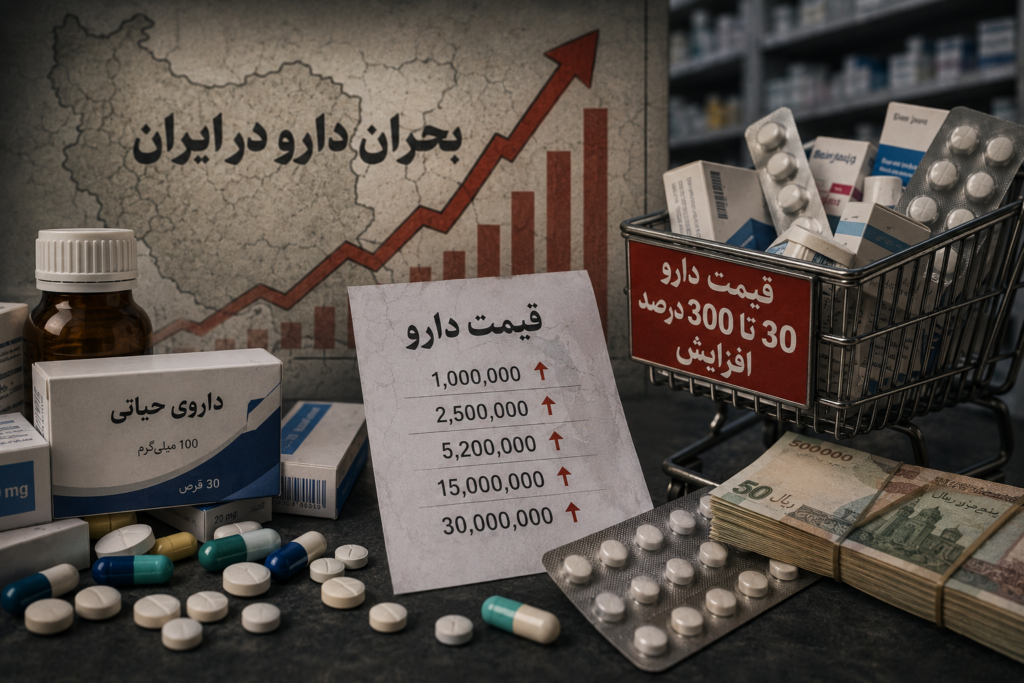
Simay Azadi – Iran’s state-run Etemad newspaper has reported that the country’s medicine crisis has sharply worsened following the recent war and amid what it described as a “fragile ceasefire,” with some drug prices increasing between 30 and 300 percent. According to the report, officials from Iran’s Pharmacists Association said declining foreign currency reserves and reduced government ability to subsidize medicine production and imports have triggered severe shortages and soaring prices. Etemad quoted a cancer patient identified as “Azar M.” as saying: “Before the war, I could obtain this medication with insurance support for less than one million tomans. Now, since the outbreak of the war, I have to buy each dose of Xgeva at the non-subsidized price of 30 million tomans.” The newspaper also described shortages of insulin, cancer drugs, laboratory kits, and imported infant formula, while pharmacies have reportedly begun rationing medicines because of fears of future shortages. State-linked reports attributed part of the crisis to sanctions, disruptions in shipping routes, rising currency exchange rates, and damage caused during the recent conflict, including attacks affecting pharmaceutical infrastructure. However, the crisis has also exposed deeper structural problems inside Iran’s pharmaceutical sector, which for years has faced accusations of corruption, instability, and financial mismanagement. Large parts of Iran’s pharmaceutical and medical import sectors are controlled by economic conglomerates linked to institutions under the authority of the Supreme Leader and the Revolutionary Guards, giving politically connected networks significant influence over medicine production, imports, and distribution. Among the most influential players is the Execution of Imam Khomeini’s Order, known as Setad, a vast economic empire directly controlled by the Supreme Leader. Through subsidiaries such as the Barkat Pharmaceutical Group and the Barakat Foundation, the conglomerate has expanded into nearly every layer of Iran’s pharmaceutical industry, including medicine manufacturing, imports, vaccine production, and hospital drug supply. Investigations and reports during the COVID-19 pandemic showed that several executives connected to Barakat simultaneously held influential regulatory positions inside Iran’s Health Ministry and Food and Drug Administration, blurring the line between regulators and major pharmaceutical interests. Former and current officials inside the health sector have repeatedly acknowledged that state-imposed pricing policies, delayed government payments, weak insurance systems, and overlapping bureaucratic control have pushed many pharmaceutical producers toward bankruptcy. Despite inflation constantly rising, authorities reportedly restricted medicine price increases to around 15 percent for long periods, severely reducing profitability for manufacturers while simultaneously weakening domestic production capacity. Officials from the pharmaceutical sector have also warned that government institutions and insurance organizations accumulated massive unpaid debts to drug companies and pharmacies, creating liquidity shortages that crippled production cycles and forced companies into high-interest borrowing. At the same time, indirect subsidy systems and distorted currency policies reportedly fueled medicine smuggling and corruption networks, further reducing supplies available to ordinary patients inside Iran. The crisis has increasingly affected daily life for ordinary Iranians. One man quoted by Etemad described seeing a citizen plead with a pharmacy to accept his wristwatch in exchange for urgently needed medication. While the recent war intensified supply disruptions, the rapid deterioration of Iran’s pharmaceutical sector has increasingly highlighted broader questions about governance, corruption, state priorities, and decades of economic policies that left the healthcare system vulnerable long before the latest conflict.
News

Brutal Murder of Young Woman in Shahrekord Sparks Public Anger Over Women in Iran

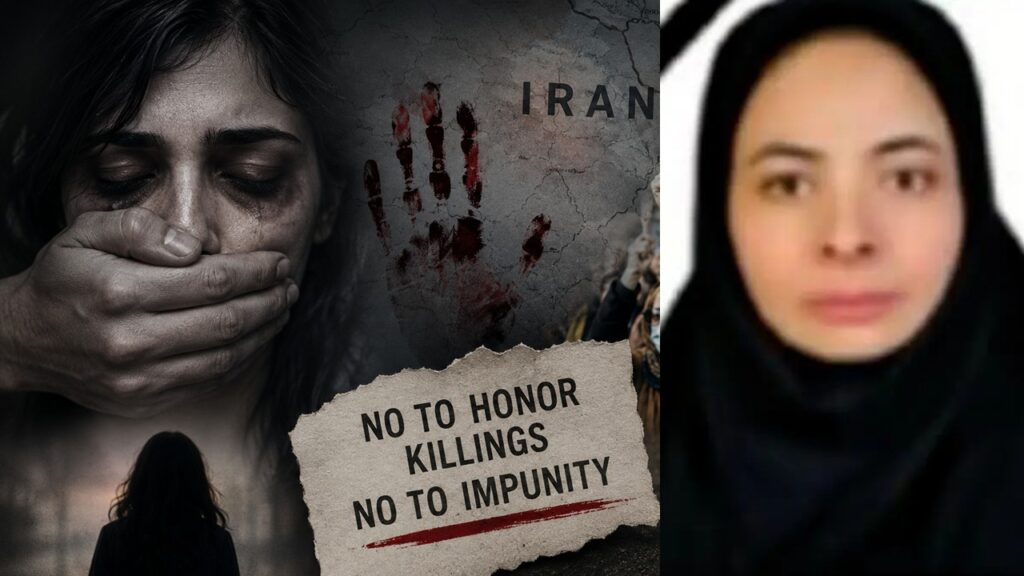
Simay Azadi – Iranian state-linked media reported another shocking case of violence against women after a young woman identified as Maryam Agha Babai was allegedly abducted by an internet taxi driver in Shahrekord and later found murdered. According to reports published by state media outlets including Rokna and Mehr on May 6, Maryam’s burned body was discovered in a mountainous area near Aqbolagh after she had reportedly been killed in the desert areas surrounding Kakolak village. The killing triggered widespread anger, with reports indicating that residents gathered in protest outside the governor’s office in Shahrekord following the incident. The case has once again drawn attention to growing concerns over violence against women in Iran, amid increasing criticism from activists over legal discrimination, weak protections for women, and broader social repression. According to reports published by the Iranian opposition  earlier this year, at least 192 women were killed in Iran in 2025 in cases linked to domestic violence, family-related murders, or so-called honor killings. Many of the victims were reportedly killed by husbands, fathers, brothers, or other male relatives. Just days before the Shahrekord incident, another woman, identified as Mahsa Barahoui, reportedly died in Saravan after allegedly being beaten, strangled, and set on fire by her husband, according to local reports. Recent reports by women’s rights groups and activists have also pointed to increasing arrests and pressure against women across Iran in recent months, particularly following continued crackdowns related to social freedoms and mandatory hijab enforcement. Many activists argue that repeated cases of violence against women, alongside the lack of systemic protections and accountability, have fueled growing public frustration, especially among younger generations in Iran. The repeated cases of brutal killings have fueled growing public anger in recent years, especially among younger generations and women protesting against social restrictions, violence, and lack of accountability in Iran.

News

Iran: Pressure Intensifies on Women Political Prisoners Mainly Those Linked to PMOI

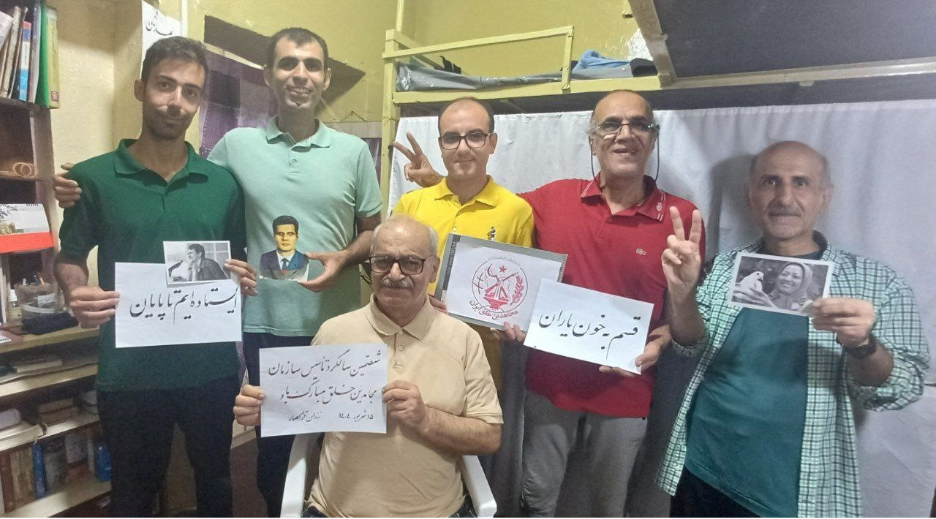
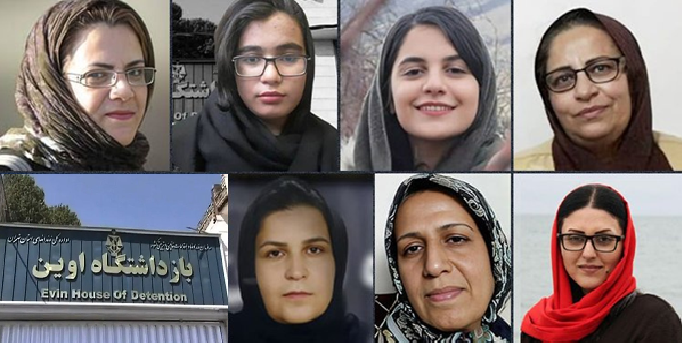
Iranian authorities have intensified pressure and punitive measures against women political prisoners, mainly those supporting the People’s Mojahedin Organization of Iran (PMOI/MEK), amid a broader escalation in repression and executions across the country. In recent weeks, several female prisoners have reportedly faced new legal cases, additional prison sentences, denial of medical treatment, and restrictions on family visits. According to reports from Evin Prison, Shiva Esmaili and Elaheh Fooladi, two prisoners arrested for supporting the PMOI, were sentenced to an additional six months in prison on charges of “insulting the leadership” after protesting the death of fellow prisoner Somayeh Rashidi. Rashidi, 42, died on September 25, 2025, in Qarchak Prison, south of Tehran. Opposition sources described her death as occurring under torture and abusive prison conditions. In a separate measure, prison authorities reportedly banned seven women political prisoners from family visits after they participated in the “No to Executions Tuesdays” campaign inside prison. The prisoners include Zahra Safaei, Forough Taghipour, Marzieh Farsi, Elaheh Fooladi, Arghavan Fallahi, Shiva Esmaili, and Golrokh Iraee. The women had reportedly sung protest songs and chanted slogans opposing executions. Meanwhile, in Yazd Prison, authorities are accused of denying medication and medical treatment to Parisa Kamali, a 40-year-old prisoner accused of supporting the PMOI. Reports indicate prison officials have refused to transfer her to hospital care despite concerns over her health. Kamali, who is reportedly facing transfer to Khash Prison in southeastern Iran, issued a message marking the fortieth day after those killed during the January 2026 uprising. In the message, she wrote: “We will never allow this flag to fall to the ground, and we believe this blood-soaked path will end in victory.” The growing pressure on women political prisoners comes amid an intensified wave of executions in Iran. Since July 2025, at least 10 PMOI members have been executed. Eight of those executions have taken place since March 30, 2026, including multiple prisoners held in Ghezel Hesar Prison. Human rights groups and opposition organizations have warned that additional political prisoners, mainly PMOI prisoners remain at risk of execution as the crackdown continues.

News

Deadly Fire at Tehran-Area Commercial Complex Highlights Iran Safety Crisis

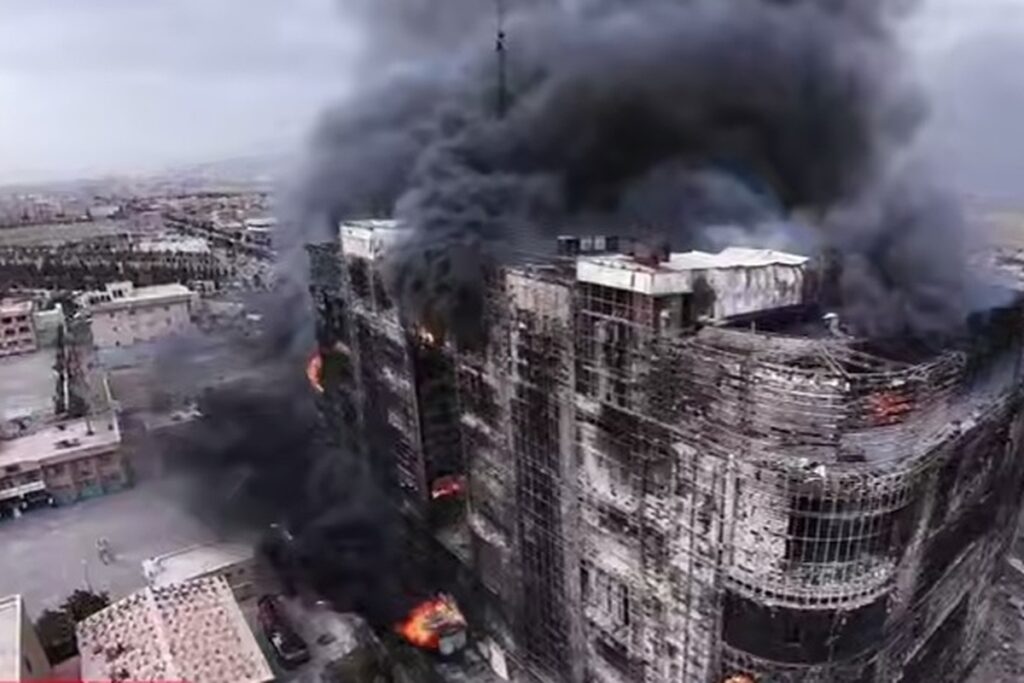
Simay Azadi – Iranian emergency officials announced on Wednesday, May 6, that at least 11 people were killed and 26 injured following a major fire at the Arghavan commercial complex in Shahriar, west of Tehran. According to officials from Tehran’s northwestern emergency services, most of the injured suffered what authorities described as minor injuries and were treated at the scene, while one person was transferred to hospital care. 🚨 Iran News: Deadly Fire in Shahriar Kills At Least 11 Iranian emergency officials said on Wednesday, May 6, that at least 11 people were killed and 26 injured following a major fire at the Arghavan commercial complex in Shahriar, west of Tehran. According to state media,… pic.twitter.com/5eIiGKLpOg — SIMAY AZADI TV (@en_simayazadi) May 6, 2026 State-run Mehr news agency quoted local officials in Shahriar as confirming the deaths of 11 people. Authorities said 26 others had either been hospitalized or treated on an outpatient basis. The fire reportedly began Tuesday afternoon. Videos published by state media and circulated on social media showed flames consuming large sections of the multi-story commercial complex. Officials have not yet announced the cause of the fire. Reports indicate the Arghavan complex housed more than 250 commercial units, several sports clubs, and approximately 50 office units. The deadly incident is the latest in a long series of fires, explosions, and industrial disasters that have repeatedly raised questions in Iran over building safety, aging infrastructure, regulatory oversight, and the allocation of state resources. The tragedy has revived memories of the January 2017 collapse of Tehran’s Plasco building, where a fire tore through the high-rise commercial center before the structure collapsed, killing firefighters and civilians. In the aftermath, merchants and victims’ families staged days of protests over delays, negligence allegations, and what many described as the authorities’ failure to enforce basic safety measures despite repeated warnings before the collapse. In recent years, similar incidents have continued across Iran. In Bandar Abbas, a massive explosion at Rajaee Port earlier this year injured hundreds and caused widespread destruction at one of Iran’s key commercial hubs. Reports surrounding the blast pointed to serious concerns regarding the storage of hazardous materials and broader failures in safety management. Another major fire erupted at the Abadan oil refinery, one of Iran’s largest refining facilities, sparking fears among local residents over environmental hazards, poor maintenance, and deteriorating industrial infrastructure. Many analysts attribute Iran’s recurring domestic disasters with the vast resources spent by the Iranian regime on regional military operations, security institutions, and overseas terrorist activities, while many civilian sectors inside Iran face chronic underinvestment, outdated safety systems, and allegations of systemic corruption. Although officials often describe these incidents as isolated accidents or technical failures, the growing number of deadly fires, industrial explosions, and infrastructure collapses has reinforces that real issue of  governance, accountability, and national priorities in Iran.

Iran Protests 2026, News

Iran Hangs Karate Champ Sasan Azadvar  as 10+ Protesters Executed

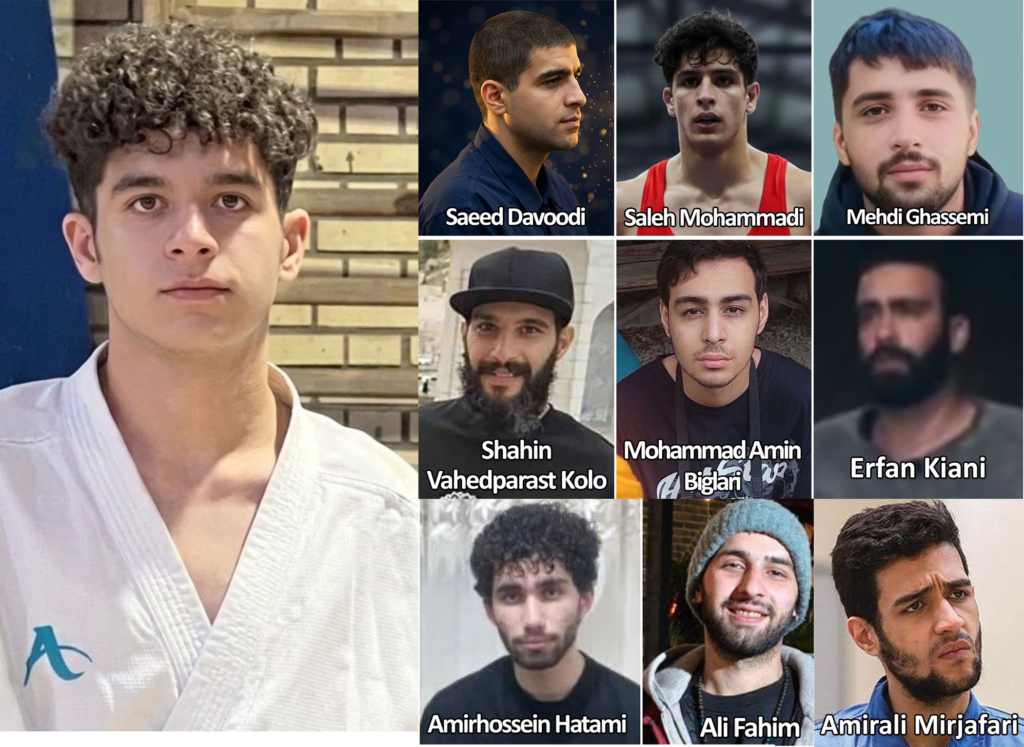
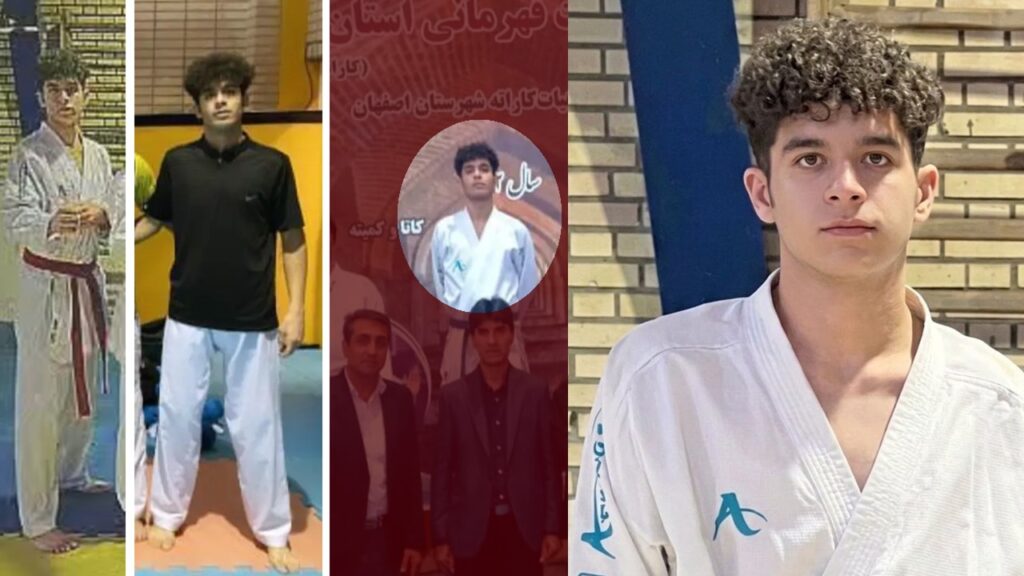
On April 30, 2026, Iranian authorities executed 21-year-old karate champion Sasan Azadvar at dawn, bringing the number of January 2026 protesters put to death to at least ten since the eve of the Persian New Year. The execution was announced hours after Iran’s Judiciary Chief Gholam-Hossein Mohseni-Eje’i publicly ordered the judiciary to accelerate the issuance and implementation of death sentences, openly dismissing international calls to halt the executions. 🚨 Iran Judiciary Calls for Rapid "Enforcement of Sentences"In recent remarks, Iran’s judiciary chief Gholamhossein Mohseni-Eje’i called for accelerating judicial proceedings and enforcement of sentences. “I emphasize again: these cases must be handled quickly, accurately, and… pic.twitter.com/M6yd7Un1eW — SIMAY AZADI TV (@en_simayazadi) April 30, 2026 Eje’i Orders “Speedy” Implementation of Death Sentences In a video published on April 30, Mohseni-Eje’i rejected criticism from abroad over Iran’s hanging spree and demanded faster verdicts and executions.“Who are you to say there should be no executions?” he asked, before declaring: “Sentences should be issued sooner and implemented according to the law.” Pattern of Protesters Executions Since March 19 Since March 19, the Iranian regime has carried out a rapid series of executions of young protesters arrested during the January 2026 uprising. The ten confirmed cases are: • March 19: Saleh Mohammadi (19, champion wrestler), Mehdi Ghasemi and Saeed Davoudi• April 2: Amir Hossein Hatami (18)• April 5: Shahin Vahedparast (31) and Mohammad Amin Biglari (19)• April 6: Ali Fahim (23)• April 21: Amirali Mirjafari• April 25: Erfan Kiani• April 30: Sasan Azadvar (21, provincial karate champion) All ten were convicted on charges of “Moharebeh” (enmity against God) or related offences for their roles in the protests. The cases were tried in closed-door proceedings widely criticized by human rights organizations for lacking due process. These executions exclude other political prisoners put to death during the same period. Human rights groups stress that the exact number of executions remains unknown, and many more January protesters are still at imminent risk of execution. Protesters Crackdown Rooted in the January Uprising The wave of executions follows the January 2026 protests, during which the regime faced one of its most serious challenges in years. In the immediate aftermath, state television broadcast staged forced confessions, some personally overseen by Mohseni-Eje’i — a figure already known internationally for his role in the 1988 massacre of tens of thousands of political prisoners. One example from January 15 shows Eje’i questioning a female detainee in a forced confession broadcast by IRIB: Eje’i: You were throwing blocks toward the crowd.Detainee: It was officers. They were in their military uniforms. 🚨 In a staged forced confession aired by IRIB, Iran's Chief Justice appears to attempt to frame a female detainee for attacking ordinary citizens. Her exchange: Eje'i: You were throwing blocks toward the crowd. Detainee: It was officers. They were in their military uniforms. https://t.co/3UC1gWueVP pic.twitter.com/VRPbJScTrO — Ehsan Eghbal Eslami (@Ehsaneghbale) January 15, 2026 Infamous Judges and Sham Trials Some of the death sentences, including those of Hatami, Vahedparast, Biglari and Fahim, were issued by Branch 15 of the Tehran Revolutionary Court under Judge Abolqasem Salavati, widely known as the “Hanging Judge.” Judicial Mobilization During the War The pace of executions intensified during the recent conflict. On April 19 and 20, Mohseni-Eje’i issued directives ordering courts to treat all acts of dissent as threats linked to “US and Israeli agendas,” demanding immediate verdicts and round-the-clock judicial work, including nights and Fridays. 🚨 IRAN: CHIEF JUSTICE EJEI DECLARES JUDICIAL WARIn an unprecedented directive, Mohseni-Ejei has ordered a total mobilization of the courts to crush dissent. Comparing judges to "combatants," he demanded they work nights and Fridays with no holidays.He ordered prosecutors to… pic.twitter.com/gqMVBHy81T — Ehsan Eghbal Eslami (@Ehsaneghbale) April 19, 2026 Human rights groups report that detainees are subjected to torture and denied fair trials, with many convictions based on forced confessions obtained under duress. 🚨IRAN – PRETEXT FOR PURGE: Eje'i's command for “Immediate Verdicts” In a new directive, the regime’s Chief Justice Mohseni-Eje'i has moved to equate all acts of dissent with the agendas of the US and Israel. In the video below (published on Monday), Ejei orders the Prosecutor… https://t.co/mUvXctFgt4 pic.twitter.com/t8If0bllYS — Ehsan Eghbal Eslami (@Ehsaneghbale) April 20, 2026 On Feb 20, Amnesty International warned that 30 January protesters are at risk of execution. Some of them undergoing “a fast-tracked, torture-tainted grossly unfair trial before Branch 26 of the Revolutionary Court of Tehran for alleged involvement in an 8 January 2026 fire” at a Basij base in Tehran province, “that killed two Basij agents.”

News

Iran’s Judiciary Announces Execution of Protester as Crackdown Continues

On April 30, 2026, Iran’s judiciary announced that protester Sasan Azadvar, a karate athlete, was executed at dawn in Isfahan. According to judiciary-affiliated reports, he had been charged over involvement in the January protests. Officials claimed he attacked police, damaged a patrol vehicle, attempted to set a police vehicle on fire, and threw stones at security forces. At least ten protesters and dissidents have been executed since the beginning of April, according to compiled reports. This figure is in addition to ten members of the People’s Mojahedin Organization of Iran (PMOI) who have been executed since July 2025. Concerns have also intensified regarding the possible execution of three additional political prisoners. The sudden and separate transfer of Nasser Bakrzadeh, Yaqoub Karimpour, and Mehrab Abdollahzadeh from Urmia Central Prison to undisclosed locations has raised fears of imminent implementation of their death sentences. Reports indicate that on April 30, 2026, Kurdish political prisoner Nasser Bakrzadeh was summoned to the enforcement office before being transferred to an unknown location. Meanwhile, the state-run Mehr News Agency, which is linked to the Ministry of Intelligence and Security (MOIS), reported the arrest of two men and one woman in Lorestan. Authorities alleged that the individuals were part of a three-person cell connected to dissident groups. Officials claimed the group had burned government banners and was receiving “military and ideological training” in preparation for further actions. The report also alleged that they had been tasked with planning attacks on government offices in western provinces using homemade explosives. On the same day, Iran’s judiciary chief, Gholam-Hossein Mohseni-Ejei, reiterated earlier remarks regarding the prosecution of individuals accused of cooperating with opposition groups. Speaking on April 30, he stated that “one of the legitimate demands of the people is that those who have committed crimes… must be prosecuted,” emphasizing that such individuals should be “identified quickly” and “tried quickly… according to the law, and based on fairness and justice.” 🚨 Iran Judiciary Calls for Rapid "Enforcement of Sentences"In recent remarks, Iran’s judiciary chief Gholamhossein Mohseni-Eje’i called for accelerating judicial proceedings and enforcement of sentences. “I emphasize again: these cases must be handled quickly, accurately, and… pic.twitter.com/M6yd7Un1eW — SIMAY AZADI TV (@en_simayazadi) April 30, 2026 He further rejected calls against executions, stating: “They say, ‘No executions.’ Who are you to say no executions? You are dead wrong to say that a criminal… will not face every punishment permitted by law.” He added that the judiciary would proceed with issuing and implementing sentences promptly while informing the public at each stage.

News

Iran Reports PMOI Arrest in Khuzestan Amid Rising Executions

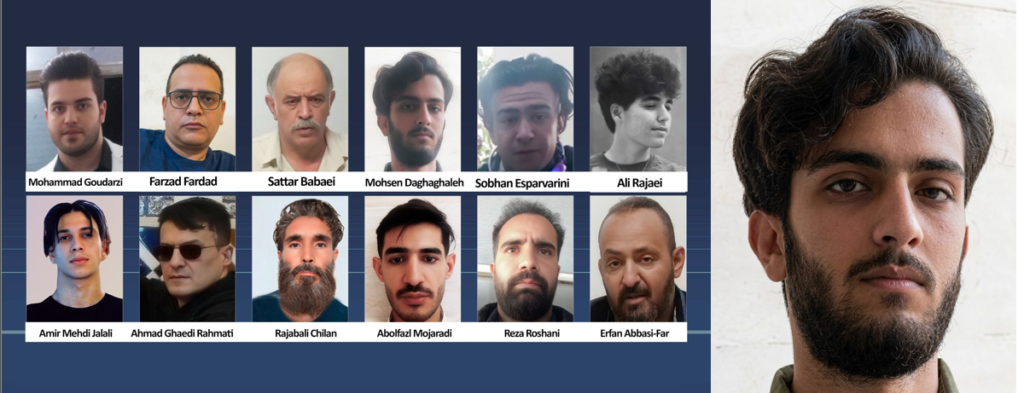
On April 29, the state-run Tasnim News Agency—an outlet affiliated with the Islamic Revolutionary Guard Corps (IRGC) Quds Force—reported the arrest of an individual in Khuzestan Province. Authorities described the detainee as an “operational element” linked to the People’s Mojahedin Organization of Iran (PMOI), an Iranian opposition group. While Tasnim announced the arrest on April 29, Iranian opposition sources had already identified the individual as Mohsen Daghaghaleh on April 21. He was reportedly among a group of 12 individuals detained for alleged support of the PMOI. Images of the detainees circulated at that time, alongside reports indicating they were being held under significant pressure. According to Tasnim, the detainee is accused of involvement in the January 2026 protests, with allegations including attacks on government and religious sites, injuring two officers, setting fire to a bank branch and ATMs, distributing Molotov cocktails, and possessing weapons. Authorities also claimed he had received bomb-making training online. These claims have not been independently verified. Meanwhile, the Iranian opposition had previously shared the identities and conditions of those detained, stating that their cases have been submitted to international bodies, including the United Nations Special Rapporteur. The individuals identified by opposition sources include: The reported arrest comes amid a broader escalation of pressure on individuals accused of links to opposition groups. In recent weeks, multiple reports have pointed to an increase in arrests and executions related to such allegations, raising ongoing concerns among human rights observers regarding the fate of political detainees in Iran. On April 19, Iran’s Judiciary Chief, Gholamhossein Mohseni-Eje’i, called for the expedited processing of cases, stating: “Today, work must be entrusted to experts, moving faster and faster, both in the prosecutor’s office and the courts.” Urging officials to take rapid action, he added, “The prosecutor must go in person, go to the scene, and if necessary, go to the prison… Question, answer, investigate, and notify them of the charges. Take the final defense and do whatever is required.” 🚨 Iran's Judiciary Chief: “If 'the case' is given in the morning, get the results by the afternoon.” In a drastic escalation of summary justice, Iran’s Judiciary Chief Gholam Hossein Mohseni Eje'i has ordered prosecutors to bypass standard legal timelines and issue "immediate"… pic.twitter.com/cNzcxtxNyj — Pasha Borjkhani (@BorjkhaniP1847) April 19, 2026 One day after these remarks, two PMOI members, Hamed Validi and Mohammad Massoum-Shahi, were hanged. Their deaths bring the number of political prisoners executed in less than a month to 12.

News

Iran’s Human Rights Crisis: MEP Petras Auštrevičius Calls for EU Accountability

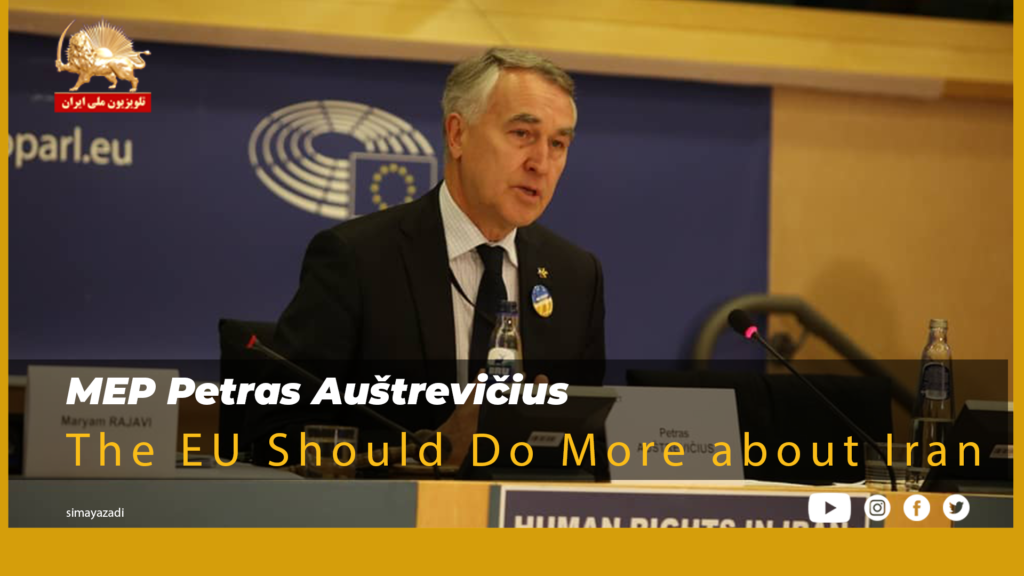
In an exclusive interview with Simay Azadi, MEP Petras Auštrevičius criticized the European Union’s “too slow” response to the escalating human rights crisis in Iran, while calling for a fundamental shift in Western strategy toward supporting a total regime change. Highlighting the lack of accountability for those behind the wave of executions, Auštrevičius said, “Names might change, but the regime will not,” urging the international community to prioritize the freedom of the Iranian people over economic interests like oil and gas. Q: Thank you very much, Mr. Auštrevičius, for this interview. First of all, tell us what the European Union and the European countries should do when it comes to Iran’s human rights situation. Petras Auštrevičius: I’m sure we have to do much more. From time to time we express our full support for human rights and especially voicing strong concerns about the human rights violations, but we do probably too little, if anything. Firstly, we still didn’t somehow come out with the summary of all those executions from the beginning of this year. If we just close down this page and we believe that it’s over, it’s a huge mistake. Those responsible are not called for responsibility; sanctions are not imposed on dozens, if not hundreds and thousands of the Iranian regime officials who are behind torture, killing, and the intimidation of civilians—people who are just expressing their hope for a different country and freedom. So that’s why I think we are vocal, but too slow. The European Union has a responsibility because we are a Union of Freedom. So that’s why I hope we will be back, we will correct our mistake in this regard, and I hope we will be more staunch supporters of the Iranian people in the future. Q: And let me finish by this: right now Iran is a hot topic here in Europe and around the globe. What do you think is the solution to the current crisis in Iran? Petras Auštrevičius: It’s a regime change. I don’t believe there will be any strategic shift in Tehran’s policy with those elite groups and families in power. They will do everything to fight till the last Iranian, so to say. They have to go away. And it must be a very strategic line of the Western policies towards Iran. As I said, [the goal is] not to fight for oil or gas, but for the freedom of the Iranian people and for regime change. If it doesn’t happen and we are still in a kind of cosmetic change, it will be the same. Iranian people will be again prosecuted under the mullahs’ regime. Names might change, but the regime will not. That’s why I think we have to seriously reconsider our approach towards Iran. Q: If you have any message for the Iranian people and you want to tell them directly, what would that be? Petras Auštrevičius: It would be probably: we didn’t do what we had to do, but there are people who understand the scope and probably our responsibility towards the Iranian people. We stand with freedom. We fight with Ukrainians for their freedom, but I’m sure we have to do the same supporting the Iranian people. This day will come. Q: Thank you very much.

News

Iran To Execute Two Political Prisoners Linked to the PMOI/MEK

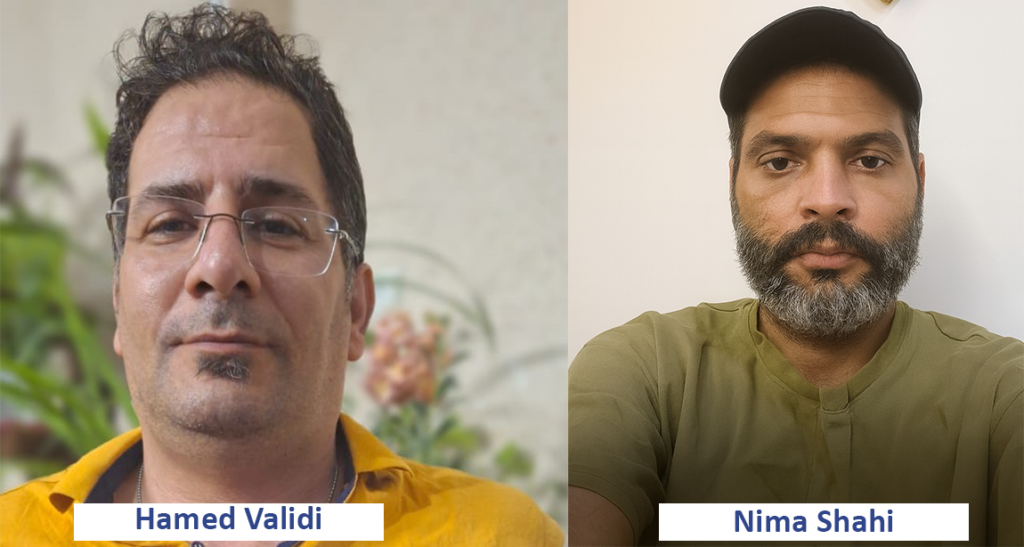
Iran – On Sunday afternoon, April 19, 2026, two political prisoners linked to the People’s Mojahedin Organization of Iran (PMOI/MEK), Hamed Validi and Nima Shahi, were hastily transferred from Karaj Central Prison to an undisclosed location. The abrupt move has raised severe alarms regarding the potential imminent execution of both men. Validi, a 45-year-old civil engineer, and Shahi, a 38-year-old technical worker, were originally arrested in Tehran on May 13, 2025, alongside several of their relatives. Following their detention, both men were reportedly subjected to intense interrogation and torture. By late September 2025, the Iranian judiciary sentenced both men to death on charges of membership in the PMOI. There are some contradictions in the state’s case against them. On September 27, 2025, the Chief Justice of Alborz Province accused the two men, along with two other detainees, of espionage related to the “12-day war.” However, records show that both men were arrested at least a month before that conflict even began. Simay Azadi had previously reported on their arrests on September 7, 2025. The Iranian opposition PMOI had already submitted their names and details to the United Nations and various human rights organizations. In response to the charges, the Secretariat of the National Council of Resistance of Iran (NCRI) issued a statement on September 27 calling for the case to be investigated by the UN Independent International Fact-Finding Mission on Iran. This alarming transfer comes amid a spike in capital punishment in the country. Since March 30, at least 13 individuals have been executed. This total includes six other PMOI members, including the elite physicist Vahid Baniamerian, as well as several individuals arrested during the recent 2026 nationwide protests in Iran. The urgency of the situation is further compounded by remarks made today by Iran’s Judiciary Chief, Gholam-Hossein Mohseni-Eje’i. Addressing judicial officials on Sunday, Eje’i demanded an aggressive acceleration of legal procedures and verdicts, directing prosecutors and courts to bypass standard investigative timelines. Highlighting the pressure of ongoing nightly demonstrations across the country, Eje’i stated that officials must work through nights, weekends, and holidays to process cases rapidly. 🚨 Iran's Judiciary Chief: “If 'the case' is given in the morning, get the results by the afternoon.” In a drastic escalation of summary justice, Iran’s Judiciary Chief Gholam Hossein Mohseni Eje'i has ordered prosecutors to bypass standard legal timelines and issue "immediate"… pic.twitter.com/cNzcxtxNyj — Pasha Borjkhani (@BorjkhaniP1847) April 19, 2026 “Today, work must be entrusted to experts, moving faster and faster, both in the prosecutor’s office and the courts,” Eje’i declared. “Don’t just say, ‘We’ve handed the case to the investigator.’ If it’s given in the morning, get the results by the afternoon. Not a week later, nor ten days later. It used to be standard to allow ten days for an investigation… Go right now, complete the investigation immediately, and return.” With fears mounting that Validi and Shahi could face execution as early as Monday morning, April 20, the Iranian opposition has appealed to the international community. They called on the UN High Commissioner for Human Rights, the UN Human Rights Council, the Special Rapporteur on Iran, the Independent International Fact-Finding Mission, and other international human rights authorities to take immediate, emergency action to save the lives of the two men.

Scroll to Top