Simay Azadi English

Author name: Mahin Habibpour

Arghavan Fallahi
News

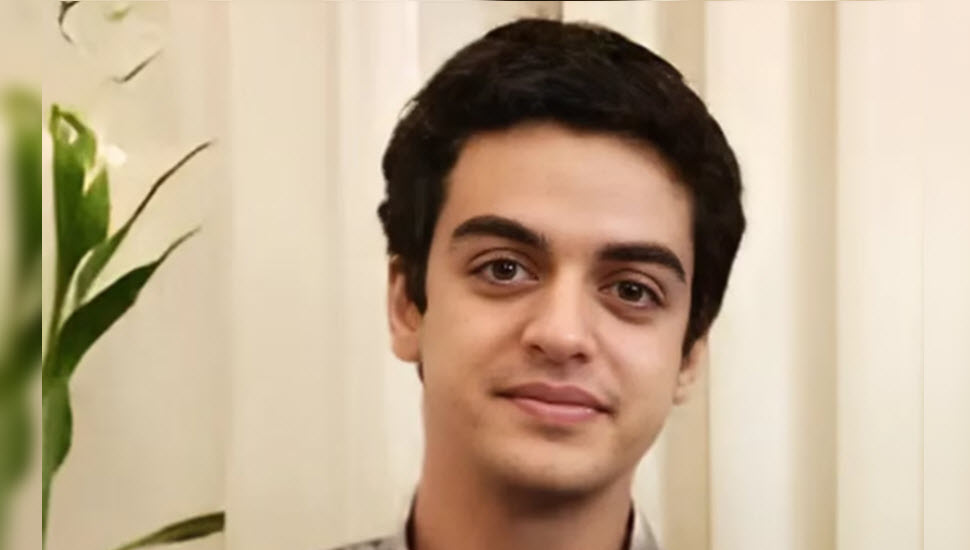
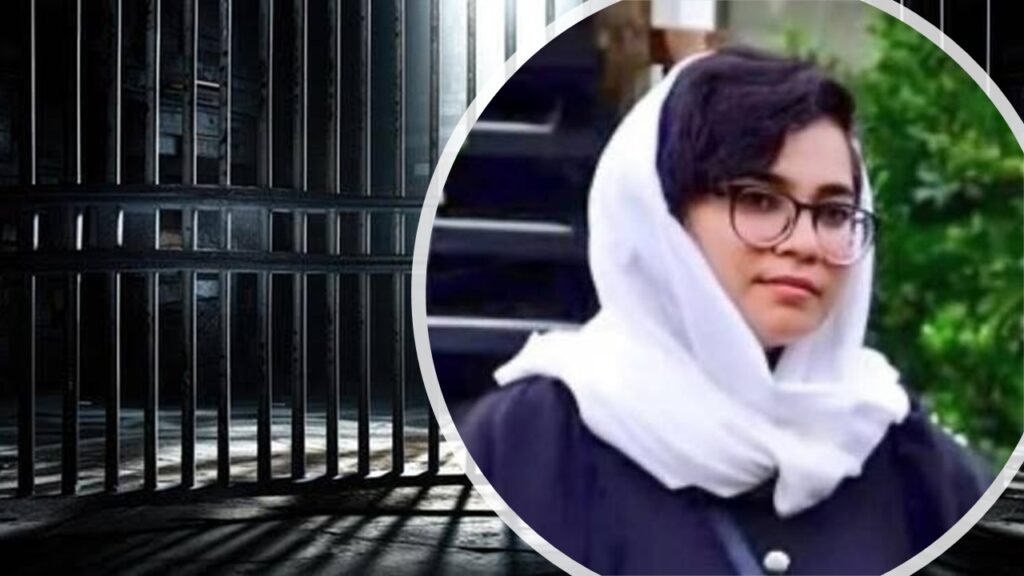
25-Year-Old Arghavan Fallahi Sentenced to Death in Iran 

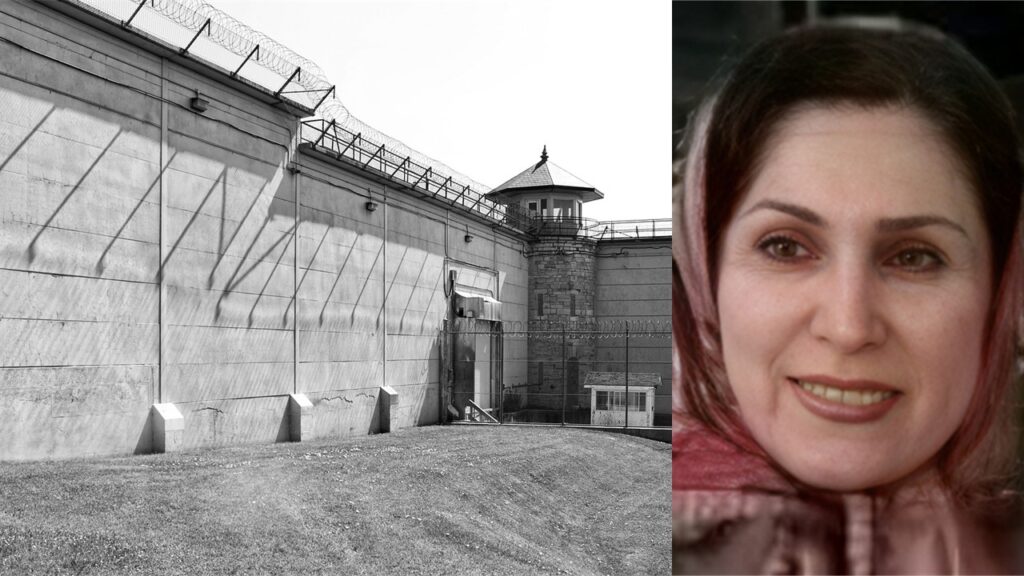
The latest death sentence against Arghavan Fallahi, a supporter of the People’s Mojahedin Organization of Iran comes amid an escalating campaign of executions and prosecutions targeting political prisoners.  Arghavan Fallahi, a 25-year-old political prisoner and supporter of the People’s Mojahedin Organization of Iran (PMOI/MEK), has been sentenced to death by Branch 15 of Tehran’s Revolutionary Court, according to information conveyed to her lawyer on July 1, 2026. The court is presided over by Judge Abolqasem Salavati, who has overseen numerous high-profile political cases.   Salavai, aka “hanging judge” has issued many   Fallahi was arrested on January 25, 2025, in the city of Parand and transferred to Ward 241 of Evin Prison, which is controlled by the Judiciary’s Intelligence Protection Organization. According to available reports, she spent approximately five months in solitary confinement, where she was subjected to prolonged interrogation as well as physical and psychological torture. Following the evacuation of Evin Prison after the conflict earlier this year, she was transferred to solitary confinement in Fashafouyeh (Greater Tehran) Prison before eventually being returned to the women’s ward of Evin Prison, where she remains detained.  This is not the first time Fallahi has faced imprisonment. On November 4, 2022, she was arrested in Shiraz together with her father, Nasrollah Fallahi, a former political prisoner from the 1980s who is currently serving a five-year prison sentence in Ward 7 of Evin Prison.  The sentence comes amid a broader escalation in the use of the death penalty against political prisoners, particularly individuals accused of supporting the People’s Mojahedin Organization of Iran. In recent months, Iranian authorities have issued multiple new death sentences against PMOI supporters, including Zahra Tabari, Amin (Peyman) Farahavar, and five political prisoners held in Sheiban Prison—Masoud Jamei, Alireza Mardasi, Farshad Etemadifar, Reza Abdali, and Hassan Mosallavi—who remain at risk of execution.  The recent crackdown has also been accompanied by executions. On April 20, 2026, political prisoners Hamed Validi and Mohammad Massoum-Shahi, both affiliated with the PMOI, were executed. Earlier, between March 30 to April 4, 2026, authorities executed six other PMOI members—Vahid Baniamerian, Mohammad Taghavi, Akbar (Shahrokh) Daneshvarkar, Pouya Ghobadi, Babak Alipour, and Abolhassan Montazar—following what human rights organizations called sham trials. At the same time, Iranian authorities have continued to carry out executions of detainees arrested during the January 2026 nationwide protests, bringing the number of confirmed executed protesters to at least 20.  Human rights organizations have repeatedly expressed concern over Iran’s increasing use of capital punishment against political opponents, warning that death sentences are being issued following proceedings that fall short of international fair trial standards. Fallahi’s case adds to a growing list of political prisoners currently facing execution as pressure on opposition supporters continues to intensify. 
News

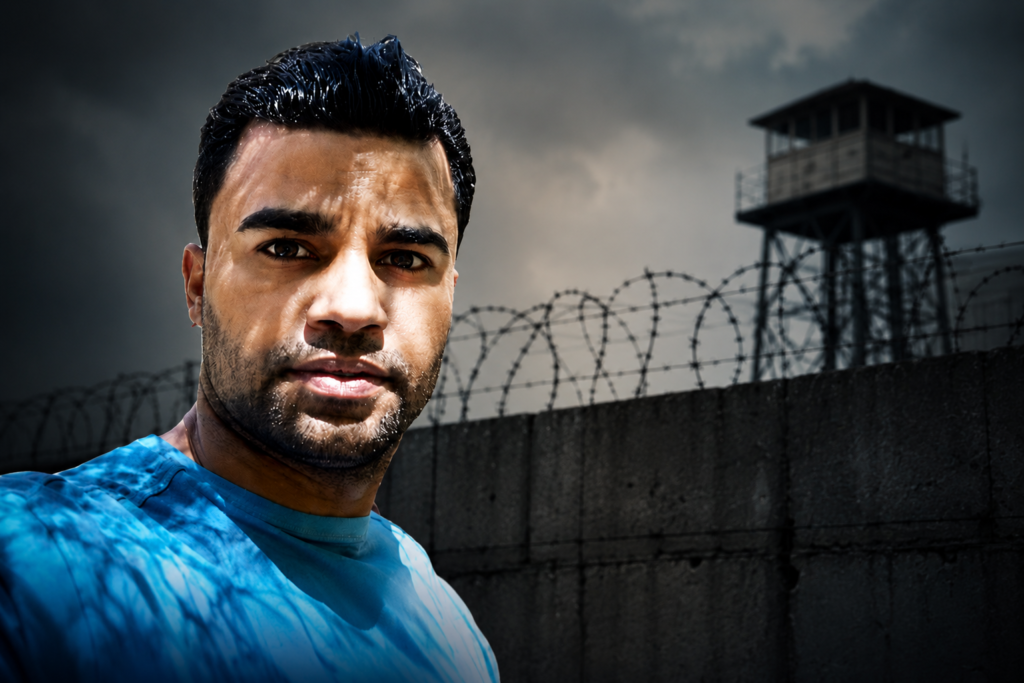
Death Row Boxer Mohammad Javad Vafaei Sani Reaffirms Support for PMOI 

In a message from Mashhad’s Vakil Abad prison, death row prisoner and boxing champion Mohammad Javad Vafaei Sani says he will continue his resistance and remain committed to what he describes as the path of freedom and justice.  Mohammad Javad Vafaei Sani, an Iranian boxing champion, coach, and political prisoner sentenced to death, has sent a new message from prison reaffirming his support for the People’s Mojahedin Organization of Iran (PMOI/MEK) and expressing his determination to continue resisting despite facing execution.  Vafaei Sani was arrested in March 2020 and later sentenced to death. His case has drawn international attention from athletes, human rights advocates, and political figures. In recent years, numerous athletes and sports figures have voiced support for him and called for the death sentence against him to be overturned, citing concerns over due process and the treatment of political prisoners in Iran.  On June 5, a group of international athletes and Olympians condemned the wave of executions in Iran and voiced support for prisoners facing execution.  The appeal by athletes included tennis legend Martina Navratilova, Olympic medalist Sharron Davies, former Australian national football team captain Craig Foster, and other sports figures.  In a personal note accompanying his latest message, Vafaei Sani wrote:  “You didn’t broadcast my previous messages. I beg you, in the most sensitive moments of my life, let this one be broadcast.”  The following is the full text of his letter:  In the Name of God,  I praise the flawless Creator for His endless blessings, and peace be upon Prophet Muhammad and his family, whose radiant light of prophethood saved us from the ultimate darkness of the nights of disbelief.  In the name of my homeland, Iran, whose greatest pride and hardest choice in the darkest periods of history is the path of Imam Ali and his teachings.  And in the name of my Mojahed brothers and sisters, who are symbols of pride, hope, and sacrifice. They have suffered for years to achieve independence, freedom, and to defend the oppressed masses of the country, and at the cost of their lives, they cry out for justice and freedom. I learned from them that my life and existence must align with the words of Imam Ali, who says:  “By God, I will not rest until I establish the truth and overthrow falsehood.”  In the hardest and most sensitive moments of my life, nothing remains for me but faith in the words of the Quran at the end of Verse 4 of Surah Al-Hadid:  “And He is with you wherever you are, and Allah sees well all that you do.”  I raise my hands in prayer, and simply and briefly, I ask Him to increase my will and courage at this time, and to accept from me my loyalty to the oppressed, to the truth, and to the freedom of the people of my land.  We, the deprived of the most transcendent human heritage of our land, who have been oppressed for a long time, now have no choice but to stand up to defend our people, our future, and our freedom.  We will not surrender, and we have proven that we possess the most formidable weapon possible, which is our faith and righteousness. Our existence is but one belief, and our life is but one word. Without a doubt, the will of God is above all wills, and life and death are only by His will.  Our presence on the path of truth and honor is the very path of the People’s Mojahedin Organization of Iran, which is a blessing and a grace from our Lord. With faith in this goal, and a greater faith that God is with us on this path, we will continue our resistance.  I wish health and victory for Mrs. Maryam Rajavi, Massoud Rajavi, and all the Mojahedin.  Hoping for the day of freedom and pride for the people of my homeland.  Long live the Democratic Republic of Iran – Salute to Rajavi.  May God grant us success.  May 18, 2026  Vafaei Sani remains on death row as international concern continues over the growing number of political prisoners facing execution in Iran. Human rights organizations have repeatedly called for his sentence to be overturned and for greater scrutiny of political prosecutions and death penalty cases in the country. 

News

Iran Cuts Communications for Female Political Prisoners 

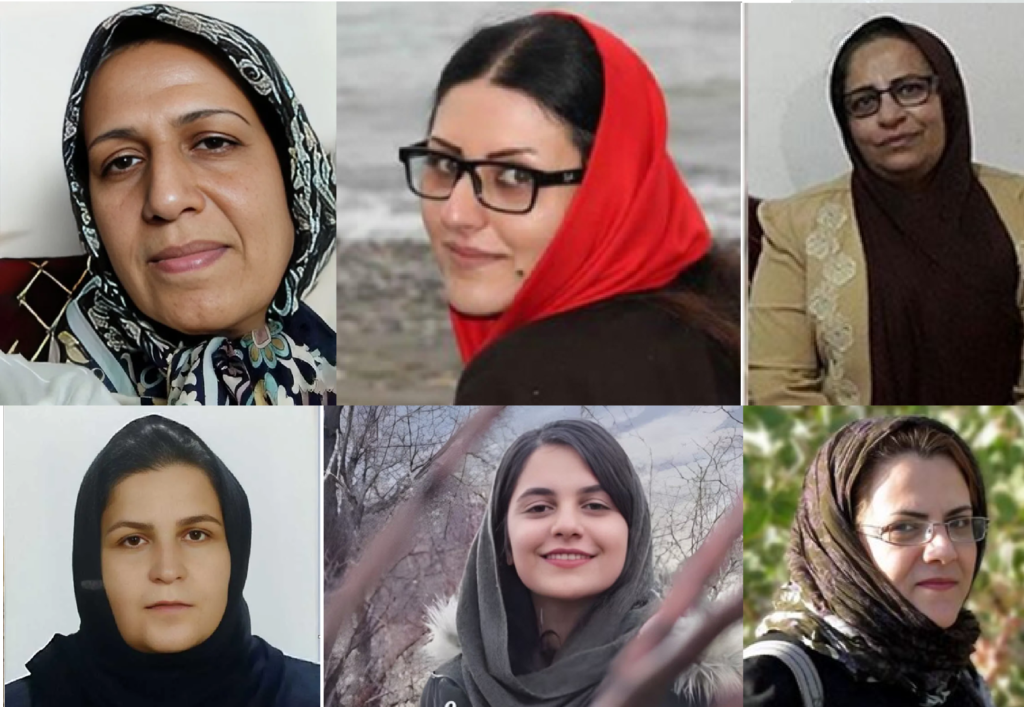
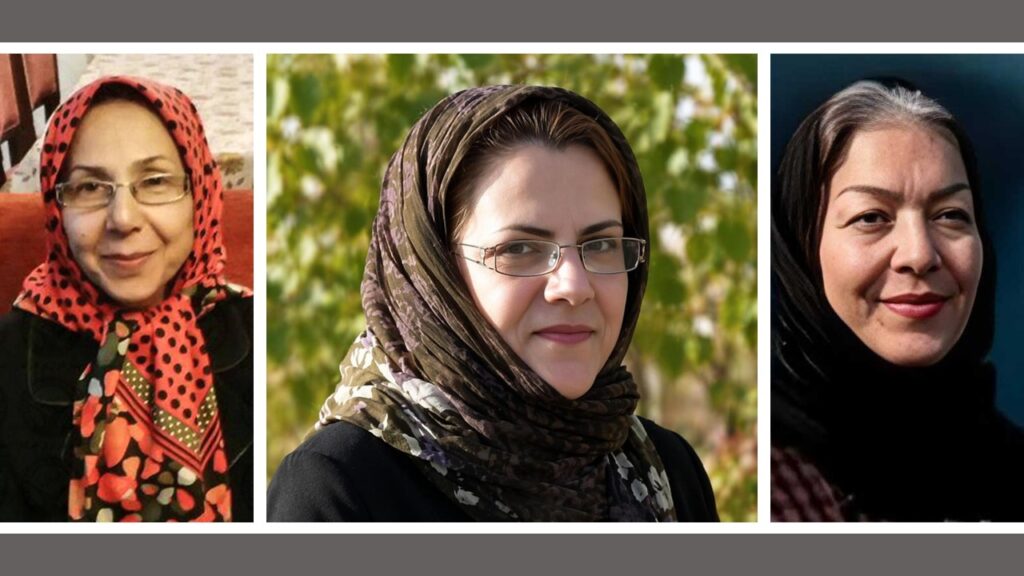
Authorities have reportedly severed telephone access for several female political prisoners in Evin Prison as pressure on political detainees continues to intensify across Iran’s prison system.  Iranian authorities have cut telephone communications for a number of female political prisoners held in Evin Prison, according to reports received this week, in what appears to be the latest measure targeting political detainees and their families.  The affected prisoners reportedly include Shiva Esmaili, Marzieh Farsi, Forough Taghipour, Zahra Safaei, Elaheh Fooladi, Golrokh Iraee, and Sakineh Parvaneh, all of whom are serving prison sentences on political charges.  Among them, Shiva Esmaili, 60, was arrested in Tehran in March 2023 and sentenced to 10 years and six months in prison. Marzieh Farsi, 59, was arrested in August 2023 and sentenced to six years. Forough Taghipour, 32, was arrested for a second time in August 2023 and sentenced to six years in prison.  Golrokh Iraee was arrested in October 2022 and sentenced to six years. She had previously spent six years in prison following an earlier arrest in 2016 and was rearrested shortly after her release. Sakineh Parvaneh was arrested in April 2023 and sentenced to six years after previously serving a three-year prison term following her 2020 arrest.  Zahra Safaei, 63, was arrested in September 2023 and sentenced to five years in prison. It is her third imprisonment; she previously spent eight years in prison during the 1980s because of her support for the People’s Mojahedin Organization of Iran (PMOI/MEK). Elaheh Fooladi was arrested in December 2023 and sentenced to five years.  The reported communication restrictions come amid broader concerns about conditions facing political prisoners throughout Iran. Reports from Ghezel Hesar Prison indicate that detainees arrested during the January 2026 uprising are being held in overcrowded conditions in Wards 35 and 37 of Unit 3, where many reportedly suffer from untreated injuries, including broken bones and dental trauma sustained during arrest and interrogation.  According to the reports, Ward 37 houses approximately 200 prisoners and lacks any cooling system despite high temperatures. Water shortages are reportedly frequent, and prisoners have been pressured to pay for water supplied by tanker trucks.  In a separate development, former political prisoner Milad Sajadian, 32, was reportedly arrested in Shiraz. After launching a hunger strike in protest, he was hospitalized after seven days and later transferred to Adelabad Prison. Reports indicate that he has recently been moved from the prison to an undisclosed location, and no information has been released regarding his whereabouts or condition. Sajadian had previously been arrested in January 2022 and again in September 2023, serving a total of three years in prison because of support for the PMOI.  The latest reports come amid a wider crackdown on political prisoners and their families. In recent weeks, relatives of political detainees and PMOI supporters have reportedly been summoned and interrogated by intelligence authorities, while courts have continued issuing and upholding death sentences against political prisoners. Human rights advocates have also expressed concern over Iran’s continued use of the death penalty, noting that the number of executions in the country remains among the highest in the world.  The reported restrictions on communication, deteriorating prison conditions, new arrests, and continued pressure on detainees and their families have added to concerns about the treatment of political prisoners across Iran’s prison system. 

Uncategorized

Iran: Five Political Prisoners Face Risk of Execution in Ahvaz 

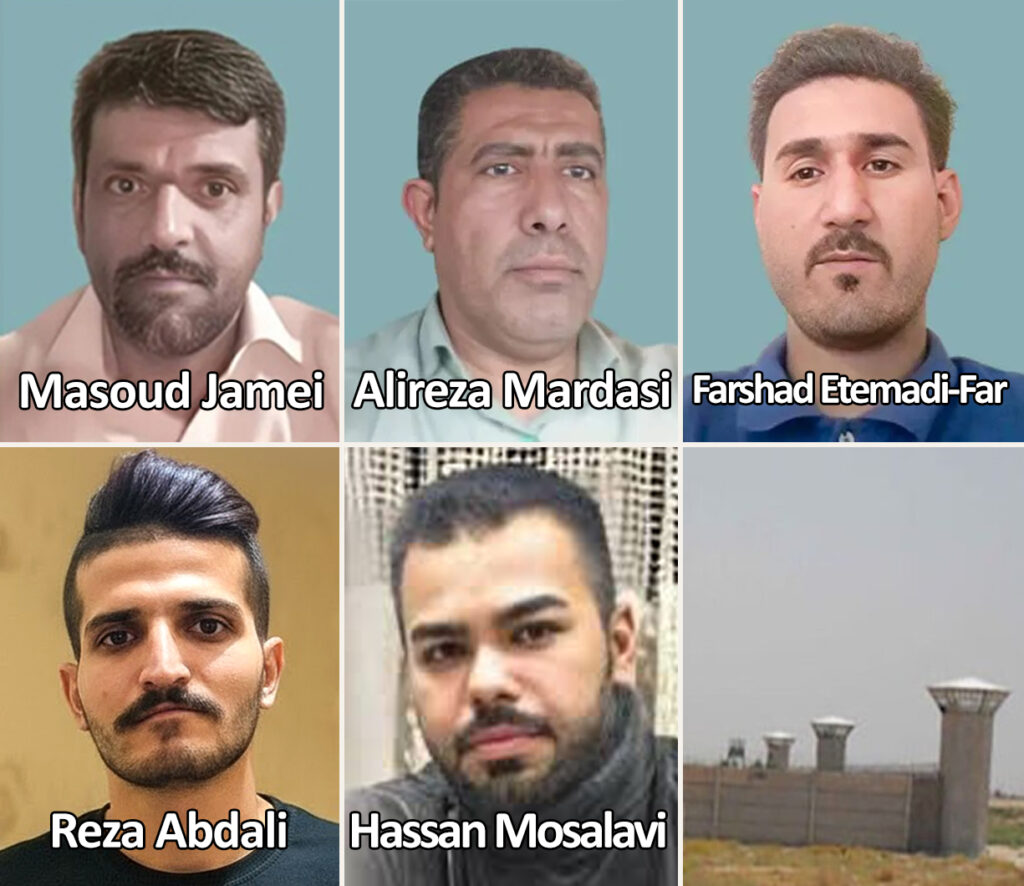
Reports indicate that five political prisoners held in Ahvaz Central Prison  could face imminent execution after their death sentences were upheld by Iran’s Supreme Court. Four of them are being sentenced to death for  supporting  the People’s Mojahedin Organization of Iran (PMOI). Reports from Iran indicate that five political prisoners — Massoud Jamei, Alireza Merdasi , Farshad Etemadi-Far, Reza Abdali, and Hassan Maslavi — face the risk of imminent execution in Ahvaz Central Prison , raising renewed concerns over the use of the death penalty in political cases.  According to the reports, Farshad Etemadi-Far, Alireza Merdasi (Hamidavi),and Massoud Jamei were arrested in the summer of 2023 and sentenced in July 2025 by Branch One of the Revolutionary Court in Ahvaz, presided over by Judge Adibi-Mehr. They were convicted on charges including moharebeh (“enmity against God”), “assembly and collusion against national security,” “membership in the People’s Mojahedin Organization of Iran (PMOI/MEK),” and “propaganda against the state.” They were sentenced to two death sentences and one year of imprisonment, and the ruling was upheld by Iran’s Supreme Court on November 14, 2025.  Reza Abdali, who was arrested in February 2025, was sentenced in July 2025 to death and 15 years in prison for support of the PMOI. His death sentence was also upheld by the Supreme Court in November 2025.  The prisoners come from diverse professional and ethnic backgrounds. Farshad Etemadi-Far, 31, is from Basht in Kohgiluyeh and Boyer-Ahmad Province and had previously served a 20-month prison sentence following an earlier arrest in 2018. Massoud Jamei, 49, worked for the oil industry, while Alireza Mardasi, 53, is a teacher. Both are members of Iran’s Arab community and were arrested in Ahvaz. Reza Abdali, 36, is also an Arab resident of Ahvaz and belongs to the Daghaghleh tribe.  The reports come amid growing concern over conditions inside Sheiban Prison, one of Iran’s most overcrowded detention facilities. Former prisoners and rights advocates have repeatedly reported severe shortages of water, inadequate sanitation, and living conditions far beyond the prison’s intended capacity. Reports indicate that prisoners face chronic shortages of drinking water and sanitary facilities due to overcrowding.  The threat of new executions comes amid a broader escalation in death penalty cases involving PMOI supporters. In recent weeks, courts have issued or reaffirmed death sentences against several political prisoners, including Zahra Tabari, whose death sentence was reimposed in Rasht, and Amin Farahavar, a political prisoner from Gilan whose death sentence was recently upheld by the Supreme Court. Manouchehr Fallah, another political prisoner accused of membership in the PMOI, also remains under a confirmed death sentence.  The cases follow a wave of executions involving PMOI members. Since July 2025, ten members of the People’s Mojahedin Organization of Iran (PMOI/MEK) have been executed. Among them were Hamed Validi and Mohammad Massoum-Shahi, who were executed on April 20, 2026, as well as Vahid Baniamerian, Pouya Ghobadi, Babak Alipour, Mohammad Taghavi, Akbar Daneshvarkar, and Abolhassan Montazar,who were executed between March 30 and April 4, 2026.  The reported risk of imminent executions in Ahvaz comes as concerns continue to grow over the increasing use of capital punishment in political cases and the growing number of prisoners facing execution because of their political activities and support for opposition organizations. 

News

Iran: Death Sentence Reimposed on Zahra Tabari 

A court in Rasht, capital of Gilan Province in northern Iran, has again sentenced political prisoner Zahra Tabari to death, months after Iran’s Supreme Court ordered a review of her case following international condemnation of the original ruling.  Zahra Tabari, a 68-year-old political prisoner held in Iran, was again sentenced to death by a Revolutionary Court in Rasht, according to reports released this week. The ruling was recently communicated to Tabari after a retrial ordered by the Supreme Court.  Tabari was first sentenced to death in November 2025 by Branch One of the Revolutionary Court in Rasht, presided over by Judge Ahmad Darvish-Goftar. According to reports, she was convicted on charges of baghi (“rebellion”) for membership and activity in the People’s Mojahedin Organization of Iran (PMOI/MEK). The proceedings lasted only ten minutes, were conducted by video conference, and took place without her chosen lawyer present.  FoFllowing international condemnation of the sentence, Iran’s Supreme Court referred the case for review to Branch Two of the Revolutionary Court in Rasht, headed by Mohammad Ali Darvish-Goftar, the son of Ahmad Darvish-Goftar.  Iran's Regime has reaffirmed Zahra Tabari's death sentence. This is her last voice message from inside prison: "To me, it is not the matter of saving life of an individual, but of saving lives of many others."pic.twitter.com/dgpj92qZHE https://t.co/rBYIBlSAVB — SIMAY AZADI TV (@en_simayazadi) May 31, 2026 On April 14, 2026, the court reissued the death sentence on the same charges. The decision was formally delivered to Tabari in recent days.  Tabari, an electrical engineer and graduate of the University of Borås in Sweden with a master’s degree in sustainable energy, was arrested in April 2025 after security forces raided her home in Rasht. She had previously been arrested in June 2022 and sentenced to 18 months in prison.  On December 23, 2025, UN experts—including Mai Sato, the Special Rapporteur on the situation of human rights in the Islamic Republic of Iran—urged the Iranian authorities to halt Zahra Tabari’s execution.  In December 2025, more than 400 prominent women from around the world issued an urgent public statement calling for Zahra Tabari’s immediate release.  #Breaking #Iran News AlertJoint statement by more than 400 women politicians, leaders, parliamentarians, sports champions, and human rights activists, addressed to the international and human rights community, calling for urgent action to stop the execution of Zahra Tabari.… pic.twitter.com/zyyJOOp6Qm — SIMAY AZADI TV (@en_simayazadi) December 23, 2025 The new ruling comes amid increasing pressure on individuals accused of links to the PMOI and their families. In recent weeks, reports have indicated that relatives of political prisoners and PMOI supporters have been summoned and interrogated by Iran’s Ministry of Intelligence. Families of prisoners, including relatives of Marzieh Farsi, Sedigheh Moradi, Azar Karvandi, and executed PMOI member Akbar Daneshvarkar, have faced questioning, threats, and pressure to participate in proceedings linked to a mass trial involving PMOI members and other opposition figures.  The case also follows a wave of executions involving PMOI members. Since July 2025, ten members of PMOI/MEK have been executed, including Hamed Validi and Mohammad Massoum-Shahi on April 20, 2026, as well as Vahid Baniamerian, Pouya Ghobadi, Babak Alipour, Mohammad Taghavi, Akbar Daneshvarkar, and Abolhassan Montazer, who were executed between March 30 and April 4, 2026.  The renewed death sentence against Zahra Tabari comes as concerns continue to grow over political prosecutions, death penalty cases, and the treatment of prisoners accused of links to opposition organizations in Iran. 

Uncategorized

Families of Political Prisoners Face New Pressure in Iran 

Relatives of political prisoners and members of the People’s Mojahedin Organization of Iran (PMOI/MEK) have reportedly been summoned, interrogated, and threatened in recent weeks, as authorities increase pressure on families amid a continuing wave of executions and political prosecutions.  According to reports released this week, Iran’s Ministry of Intelligence summoned the family of political prisoner Marzieh Farsi, who is currently held in Evin Prison, on May 24. Family members were reportedly subjected to several hours of interrogation, threats, insults, and psychological pressure.  According to the reports, interrogators warned the family against maintaining contact with other families of political prisoners or PMOI members.  The reported interrogation is part of a broader pattern affecting relatives of political prisoners and opposition supporters. Over the past two weeks, the families of political prisoners and PMOI supporters, including the families of Sedigheh Moradi, Azar Karvandi, and executed PMOI member Akbar Daneshvarkar, have also reportedly been summoned and questioned by intelligence authorities.  Reports say some family members were threatened with the confiscation of property and inheritance rights, while others were warned that additional relatives could face arrest.  According to the reports, intelligence officials also pressured family members to participate in proceedings linked to a renewed mass trial involving the PMOI and 104 members of the Iranian opposition. Relatives were allegedly asked to appear in court and give statements against the organization, while being warned that refusal could result in the seizure of assets or further arrests within their families.  The reported pressure campaign comes amid a broader escalation in political prosecutions. Since July 2025, ten members of the PMOI have been executed, including Hamed Validi and Mohammad Massoum-Shahi on April 20, 2026, as well as Vahid Baniamerian, Pouya Ghobadi, Babak Alipour, Mohammad Taghavi, Akbar Daneshvarkar, and Abolhassan Montazer, several of whom were executed between March 30 and April 4, 2026.  At the same time, at least 20 protesters linked to the January 2026 uprising have been executed since March, according to compiled reports, while additional political prisoners remain under sentence of death. Rights advocates and legal experts have warned that more detainees arrested during the uprising could face execution.  The pressure on families has coincided with increasingly hardline rhetoric from senior officials. On April 28, Judiciary Chief Gholam-Hossein Mohseni Eje’i called for faster implementation of rulings in security-related cases, arguing that delays weaken deterrence. On May 21, regime MP Hamid Rasaei urged the judiciary to establish wartime-style courts, accelerate punishments, and expand public executions. The latest reports suggest that alongside arrests, executions, and prison sentences, authorities are also extending pressure to the relatives of political prisoners and opposition supporters. 

News

Ali Younesi Defines His Political Position in Prison Statement 

In a statement released from Ghezel Hesar Prison on May 26, imprisoned elite student Ali Younesi responded misuse of his image by remnants of the Shah’s regime; and  reaffirmed his political views on dictatorship, democracy, and Iran’s future.  “In recent days, I and my statement have been supported by some of the creators and users of the slogan ‘Death to the Three Corrupt……’ It seems that after receiving the Leader’s pardon, I have now also received a royal pardon!”  Younesi referrers to the slogan used by supporters of Reza Pahlavi at their rallies abroad, which is: Death to the three corrupts, mullahs, Mojahedin (PMOI) and leftist  #Iran News Alert On the eve of universities reopening, imprisoned elite students Amirhossein Moradi & Ali Younesi wrote:“Universities have become prisons, and prisons have become universities.”They vowed:“Our unbreakable resolve will shape Iran’s destiny—free, republican &… pic.twitter.com/WCUJ9llAlv — SIMAY AZADI TV (@en_simayazadi) September 20, 2025 Younesi then turned to the issue of political prisoners and those executed in recent months. Identifying himself as a supporter of the People’s Mojahedin Organization of Iran (PMOI/MEK), he wrote:  “As a small supporter of the PMOI, I have my role models: six proud cellmates who were sent to the gallows.”  The reference was to Vahid Baniamerian, Pouya Ghobadi, Babak Alipour, Mohammad Taghavi, Akbar Daneshvarkar, and Abolhassan Montazar, six PMOI members executed between March 30 and April 4, 2026 after convictions on security-related charges.  Younesi also invoked the memory of Mohammad Hanifnejad, founder of the PMOI, and his fellow founders, who were executed by the Shah’s government on May 25, 1972.  “If the blood of these six and other freedom-seekers leaves no room for forgiveness between us and the mullahs, then the blood of Hanif and his companions — whose banner these six carried — leaves no room for unity between us and the Shah and his SAVAK.”  “The Shah, through the killing of freedom-seekers, paved the way for this regime to come to power.”  Read the full-text of his letter’s translation Ghezel Hesar Prison – May 26, 2026 In recent days, I and my statement have been supported by some of the creators and users of the slogan “Death to the Three Corrupt Figures…” It seems that after receiving the Leader’s pardon, I have now also been granted a royal pardon! As a small supporter of the People’s Mojahedin Organization of Iran (PMOI/MEK), I have my role models: my six proud cellmates who were sent to the gallows. If the blood of these six and other freedom-seekers leaves no room for forgiveness between us and the Sheikh, then the blood of Hanif and his companions—whose banner these six carried—also leaves no room for unity between us and the Shah and his SAVAK. The Shah, through the killing of freedom-seekers, paved the way for this regime to come to power. And today, the remnants of the Shah, through the slogan “Death to the Three Corrupt Figures…”, are effectively calling on the Mullahs to repay their favor by helping them reach power through executions, so that they may ride the wave of the bloodshed of the January uprising and, by begging foreign governments for power, once again sit upon the throne. But never. There is a border between us and them—a blood-soaked border; the border between dictatorship and freedom. These boundaries must never be blurred. And I stand on this side of that border, alongside the people and for the people, under the slogan: “Death to the oppressor, whether the Shah or the Supreme Leader.” And this stand will not stop until freedom, democracy, and a democratic republic have been established. Ali YounesiQezel Hesar PrisonMay 26, 2026

News

Iran Upholds Death Sentence for Amin Farahavar 

Amin (Peyman) Farahavar, a 38-year-old political prisoner held in Lakan Prison in Rasht, faces imminent execution after Iran’s Supreme Court again upheld his death sentence and rejected his lawyer’s request for retrial.  Farahavar, a poet from Gilan Province known by the pen name Peyman, was sentenced to death on charges including baghi (“armed rebellion”) and moharebeh (“enmity against God”), according to reports. The latest decision by the Supreme Court leaves him at immediate risk of execution.  Farahavar was sentenced to death on May 1, 2025, by the Revolutionary Court in Rasht, reportedly without the presence of legal counsel, under Judge Ahmad Darvish-Goftar. The sentence was later upheld by Branch 39 of the Supreme Court, while a request for judicial review was rejected during the second week of April 2026.  Reports say Farahavar suffers from complications following gallbladder surgery and experiences severe pain, while also being denied adequate medical treatment. During interrogations, he reportedly suffered internal bleeding.  The case comes amid continued concern over executions of political prisoners and detainees accused of links to opposition activity. Since July 2025, ten members of the People’s Mojahedin Organization of Iran (PMOI/MEK) have been executed, including Hamed Validi and Mohammad Massoum-Shahi on April 20, 2026, as well as Vahid Baniamerian, Pouya Ghobadi, Babak Alipour, Mohammad Taghavi, Akbar Daneshvarkar, and Abolhassan Montazer. Several were executed between March 30 and April 4, 2026.  Separately, at least 20 January uprising protesters have reportedly been executed since March 19, according to compiled monitoring, excluding other political prisoner cases.  The executions have coincided with increasingly explicit calls by Iranian officials for faster punishments and harsher sentencing. On April 28, Judiciary Chief Gholam-Hossein Mohseni Eje’i urged courts to accelerate rulings in security cases, arguing delays weaken deterrence, after previously calling for judges to show “no mercy” in protest-related prosecutions. On May 21, regime MP Hamid Rasaei called for wartime “field courts,” public floggings, and rapid executions, telling Eje’i: “Mr. Mohseni-Eje’i, your launcher must fire.” Days later, another regime MP described harsher punishment as a “public demand.” The remarks have unfolded alongside rising executions, expanded arrests, and continued sentencing of political prisoners in Iran. 

News

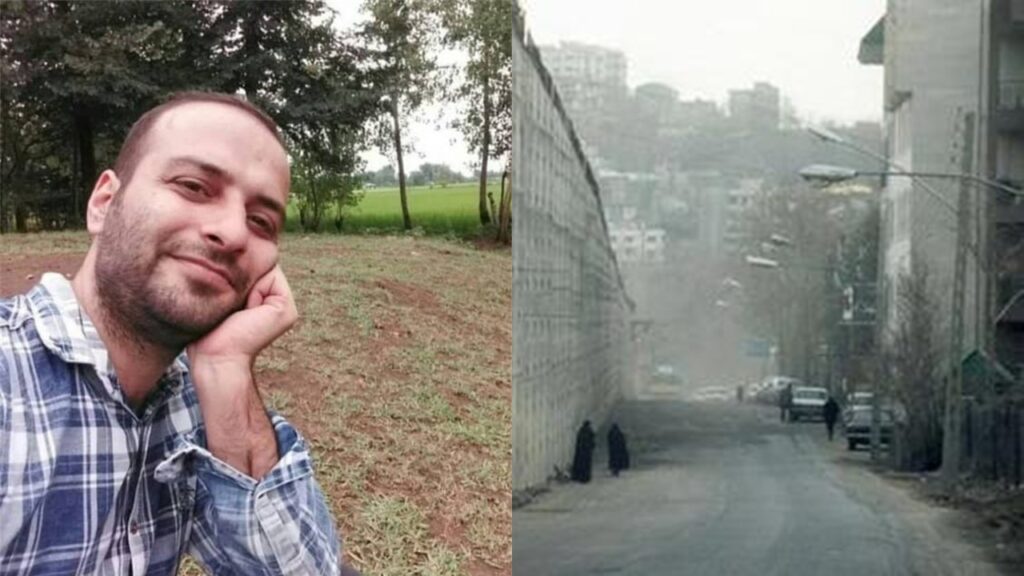
Iran Sentences Political Prisoner Bizan Kazemi To 37 Years in Prison 

Iran May 26, 2026 – Bijan Kazemi was sentenced to more than 37 years in prison after 16 months in detention, while reports say the brother of an executed PMOI member has been transferred to a psychiatric facility amid continued pressure on prisoners’ families.  Bijan Kazemi, a 45-year-old political prisoner, was sentenced by Branch 15 of Tehran’s Revolutionary Court, presided over by Judge Abolghasem Salavati, to a total of 37 years and six months in prison after 16 months of detention, interrogation, and alleged torture, according to reports released this week.  Kazemi was arrested on January 20, 2025, in Kuhdasht and transferred to Ward 209 of Evin Prison, where reports say he was subjected to prolonged interrogation and torture. After the evacuation of Evin Prison in July 2025, he was moved to Fashafouyeh Prison before being transferred back to Evin in October.  A statement published in July 2025 said interrogators accused Kazemi of providing weapons connected to an attack targeting two senior judiciary officials. Kazemi had previously been arrested in April 2020 and spent more than two years imprisoned in Khorramabad.  In a separate development, Mojtaba Taghavi, 58, was transferred from prison to Aminabad psychiatric hospital, according to reports. Taghavi is the brother of Mohammad Taghavi, a PMOI member executed on March 31, 2026.  Mojtaba Taghavi had reportedly been arrested in March 2024 because of ties to his brother and was later sentenced to six years and seven months in prison. Reports say authorities repeatedly disrupted his access to medication and intensified pressure after his brother’s execution.  The cases come months after a wave of executions involving PMOI members and other political prisoners. Since July 2025, ten PMOI members have been executed, including Hamed Validi and Mohammad Massoum-Shahi on April 20, 2026, as well as Vahid Baniamerian, Pouya Ghobadi, Babak Alipour, Mohammad Taghavi, Akbar Daneshvarkar, and Abolhassan Montazer, several of whom were executed between March 30 and April 4, 2026.  More broadly, at least 20 January uprising protesters have been executed since March 19, according to compiled reports, while international legal experts recently warned that executions in Iran have reached levels “not seen in nearly four decades.”  The sentencing of Bijan Kazemi and transfer of Mojtaba Taghavi add to growing concerns over lengthy prison terms, treatment of detainees’ families, and continued pressure on political prisoners in Iran.  Salavati, known as the “Judge of Death,” is notorious for using fabricated charges to issue hundreds of execution and prison orders. He has also been one of the regime’s primary tools for hostage diplomacy, presiding over the sham trials and sentencing of American and Western citizens. He has been sanctioned by the EU (2011) and the US (2019) for gross human rights violations. 

Iran Protests 2026, News

Iran Executes January Protester Abbas Akbari 

Iran authorities executed Abbas Akbari Feyzabadi early Monday, May 25, according to judiciary-linked Mizan News Agency, making him one of the latest known detainees connected to the January 2026 uprising to be put to death.  According to Mizan News Agency,  Akbari had been arrested in Naein, Isfahan Province, accusing him of “leading armed unrest” during protests, attacking local government buildings and security centers, and opening fire toward security forces. Authorities also claimed:  “He was present in the streets while carrying a military handgun and opened fire toward security personnel.”  🚨 Iran State Media Releases CCTV Footage of Executed January Protester Iran’s state media has published what it describes as the “first CCTV footage” showing Abbas Akbari Feyzabadi, executed on May 25, allegedly carrying out armed actions and attacks in Naein, Isfahan during… https://t.co/jsdCYAHfBF pic.twitter.com/Lc6EGILJhR — SIMAY AZADI TV (@en_simayazadi) May 25, 2026 Iran Continues Executing Protesters The execution adds to growing concern over death sentences linked to the January unrest and broader political prosecutions. Since March 19, at least 15 January protesters have been executed in less than two months, following trials rights groups and activists say lacked due process. The known cases include Saleh Mohammadi (19), Mehdi Ghasemi, Saeed Davoudi, Amir Hossein Hatami (18), Shahin Vahedparast (31), Mohammad Amin Biglari (19), Ali Fahim (23), Amirali Mirjafari, Erfan Kiani, Sasan Azadvar (21), Mehdi Rasouli (25), Mohammadreza Miri (21), Ebrahim Dowlatabadi, Mohammad Abbasi, and now Abbas Akbari Feyzabadi. The figure covers only confirmed executions of January uprising participants and excludes other political prisoners executed during the same period.  These cases come in addition to the execution of at least eight PMOI members since March 30, 2026, including Vahid Baniamerian, Pouya Ghobadi, Babak Alipour, Mohammad Taghavi, Akbar Daneshvarkar, and Abolhassan Montazer, six of whom were executed between March 30 and April 4, 2026. Hamed Validi and Mohammad Masoum Shahi were executed on April 20 for PMOI membership.    Earlier this month, more than 300 former UN officials, judges, Nobel laureates and legal experts warned that executions in Iran had reached levels “not seen in nearly four decades,” while noting that more than 50,000 people were arrested following nationwide protests and additional detainees remain at risk.  The latest execution comes amid increasingly explicit calls by senior officials for harsher punishment. In mid-May, Judiciary Chief Gholam-Hossein Mohseni Eje’i urged courts to accelerate verdicts and implementation of sentences, arguing delays weaken deterrence, after previously calling for judges to show “no mercy” in protest-related cases.   On May 21, regime MP Hamid Rasaei called for wartime “field courts,” public floggings, and rapid executions, telling Eje’i: “Mr. Mohseni-Eje’i, your launcher must fire.” Days earlier, another regime MP described harsher punishment as a “public demand.” The rhetoric has unfolded alongside rising executions, expanded arrests, and continued sentencing of political prisoners in Iran. 

Scroll to Top