Simay Azadi English

Author name: News Desk

News

Iran: MP Admits Corruption by Regime Officials Is a Cause of Rising Prices 

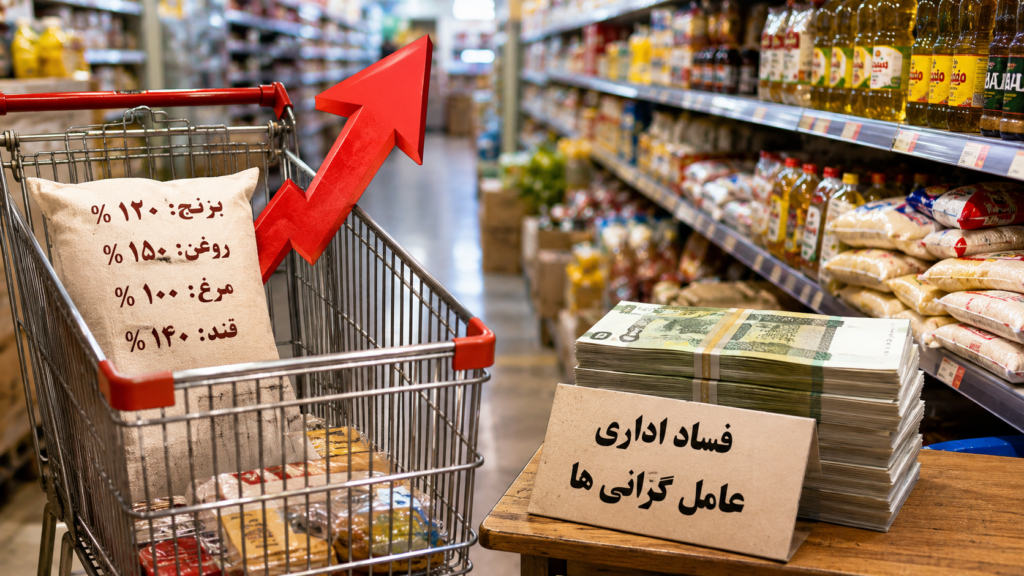
Simay Azadi – In an interview with the state-run Student News Agency, Mohsen Zanganeh, member of the Iranian Parliament’s Budget Committee, acknowledged in an that one of the causes of rising prices is the abuse and profiteering by government officials.  He said: “Another factor behind rising prices is corruption. Many officials who became rich in the 1990s did so because of their activities during the 8-year war. In every political faction, there are people who support and profit from the system.”  Zanganeh further added, “After the Revolution, many people were handed control of state-owned companies and board positions. It was clearly a case of systemic exploitation. Even now, in this wartime environment, there are people positioning themselves to become the next generation of ‘trillionaires.’”  He also described the war as one of the causes of rising prices, adding: “30% of the rising prices are due to the nature of war. 35% is due to the inefficiency of government institutions.”  On May 9, 2026, state-affiliated media confirmed a dramatic price surge for essential commodities, including poultry, eggs, rice, sugar, and cooking oil. Bread, a primary staple, has seen particularly sharp increases. In Hamedan, new official rates were implemented on May 6, 2026. Abuzar Golmohammadi, head of the local bakers’ union, defended the move to state media, citing the unsustainable rise in production overheads—specifically wages, insurance, energy, and rent.  Under these new regulations, the price of Lavash has risen to 2,000 tomans, Sangak to 8,000, and Barbari to 16,500, with specialty breads reaching as high as 35,000 tomans. This inflationary trend has rapidly spread across major urban centers, including Tehran, Mashhad, Isfahan, Qom, and Yazd, where many bakeries have moved toward unregulated, “free-market” pricing.  In a candid interview with the ILNA news agency, Yahya Azizi, an official of Iran’s Minister of Culture, labeled the current state of affairs “disastrous,” pointing to a massive gulf between earnings and the cost of living. He noted that the monthly poverty line has now climbed to 75 million tomans—a figure that is roughly triple the average salary of 24 million tomans. 

News

Iran: Imprisoned Elite Student Moradi Rejects Judiciary’s “Pardon”  

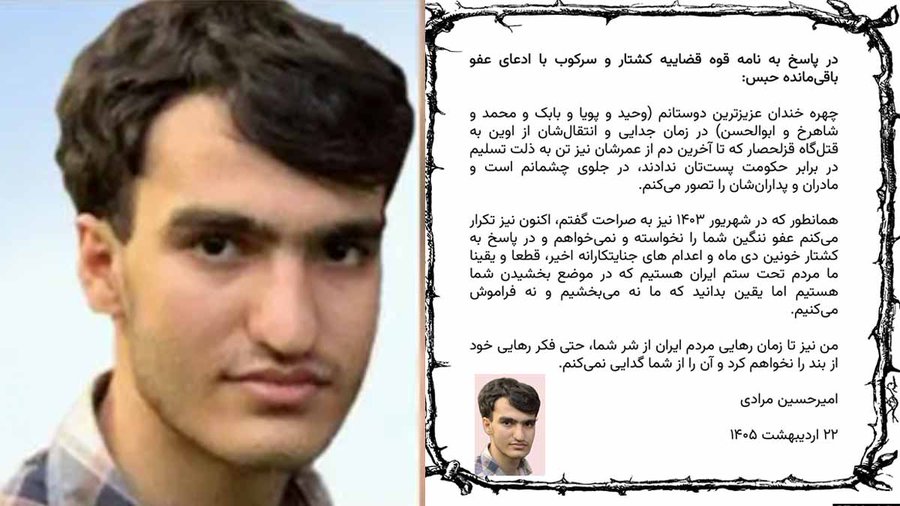
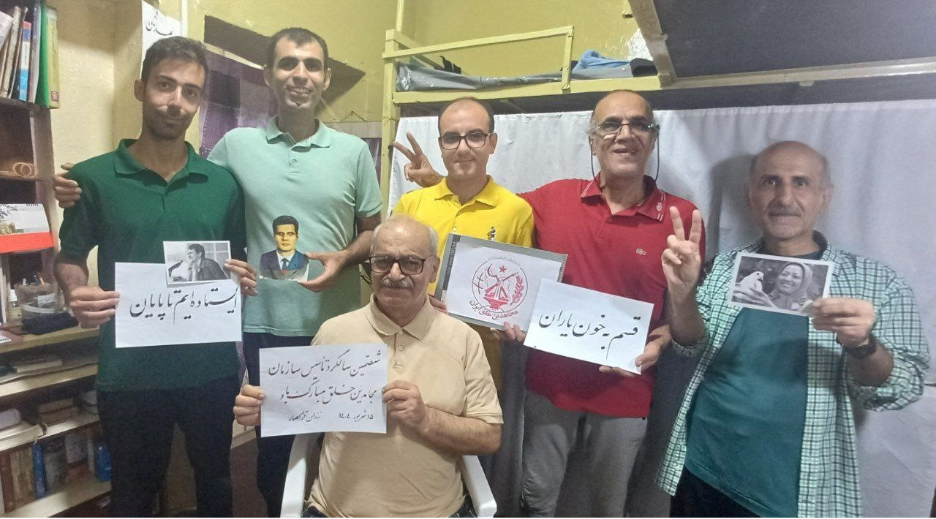
Simay Azadi – Amir Hossein Moradi, an elite Iranian student imprisoned on charges of supporting the People’s Mojahedin Organization of Iran (PMOI/MEK), has rejected what he described as the regime’s “shameful pardon” offer in a new letter written from Evin prison.  His statement comes amid a wave of executions targeting PMOI prisoners in Iran in recent weeks, including the executions of Vahid Baniamerian, Pouya Ghobadi, Babak Alipour, Mohammad Taghavi, Shahrokh Daneshvarkar, and Abolhassan Montazar.  #Iran News Alert On the eve of universities reopening, imprisoned elite students Amirhossein Moradi & Ali Younesi wrote:“Universities have become prisons, and prisons have become universities.”They vowed:“Our unbreakable resolve will shape Iran’s destiny—free, republican &… pic.twitter.com/WCUJ9llAlv — SIMAY AZADI TV (@en_simayazadi) September 20, 2025 Amir Hossein Moradi, an elite student at Sharif University of Technology, was arrested on April 10, 2020, alongside fellow elite student Ali Younesi.  The two students disappeared for nearly 26 days before Iranian authorities officially acknowledged their detention. The regime later accused them of links to the PMOI/MEK, “activities,.”  The letter comes amid growing international concern over the increasing crackdown on political prisoners in Iran, particularly individuals accused of links to the PMOI.   The full text of the translated letter:  “In response to the letter from the genocidal regime’s judiciary claiming to pardon the remainder of my prison sentence.  The smiling faces of my dearest friends — Vahid, Pouya, Babak, Mohammad, Shahrokh, and Abolhassan — at the moment of their separation and transfer from Evin Prison to the killing ground of Ghezel Hesar remain before my eyes. Until the final moments of their lives, they never surrendered to the humiliation of submission before your vile government. I think of their mothers and fathers. As I clearly stated in September 2024, I repeat once again today: I neither asked for nor want your shameful pardon. In response to the bloody killings of January and the recent criminal executions, it is certainly we, the oppressed people of Iran, who stand in the position of forgiving you. But know this with certainty: we neither forgive nor forget. Until the people of Iran are freed from your rule, I will not even think about my own release from prison, nor will I beg it from you.   Amirhossein Moradi  May 12, 2026 

News

Iran Internet Blackout Passes 1,728 Hours Amid Growing Digital Restrictions

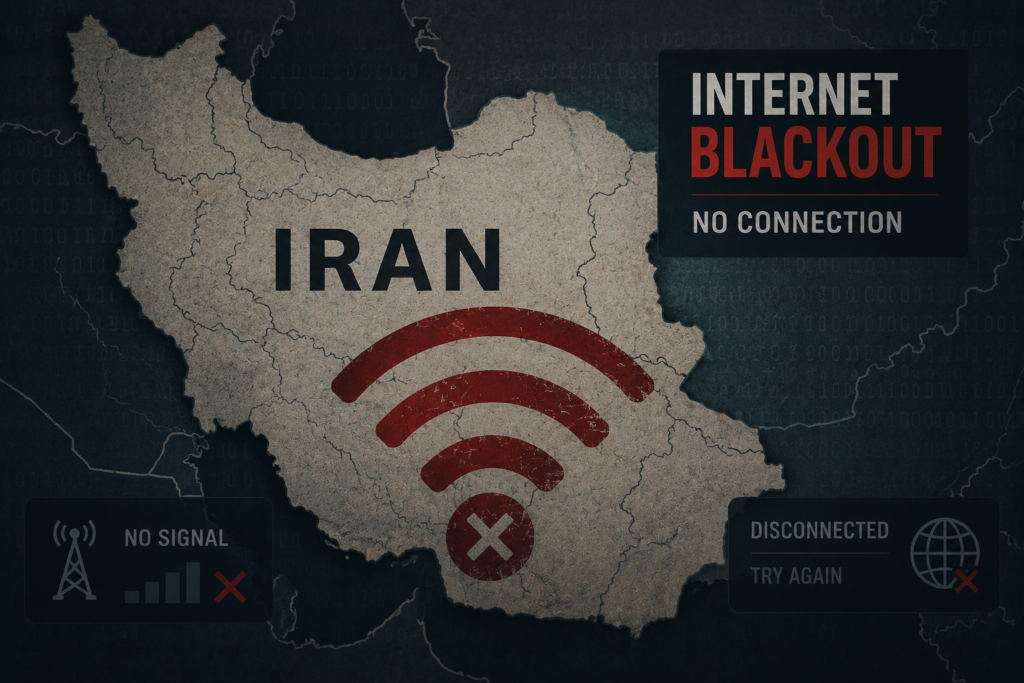
Simay Azadi – As Iran’s nationwide internet disruption entered its 1,728 hour on Sunday, new reports indicated that authorities continue to impose one of the longest and most extensive internet restrictions ever recorded in the country. According to data published by NetBlocks, the large-scale disruption has severely limited access to the global internet across Iran, deepening concerns over digital repression and communication isolation. NetBlocks stated that unrestricted internet access during times of crisis is a vital necessity, warning that shutdowns disproportionately harm vulnerable groups, including people with disabilities, students, small businesses, and ordinary citizens. Iranian authorities have claimed the restrictions were linked to security conditions stemming from the recent conflict involving the United States and Israel, which began on February 28 and lasted 40 days. However, digital rights observers argue that the authorities have used the wartime atmosphere as justification to accelerate efforts toward tighter control of cyberspace and expansion of the country’s so-called “National Information Network.” The latest restrictions have also revived memories of previous internet shutdowns imposed during periods of unrest in Iran, including during the January 2026 uprising, when authorities severely restricted communications amid widespread anti-government protests. Rights groups and activists accused the government at the time of using the blackout to conceal the scale of the crackdown and deadly violence against protesters. According to the Iranian dissidents and activists, the current restrictions come amid an intensifying crackdown on dissidents and political prisoners. According to reports by activists and rights monitors, at least 25 dissidents and protesters have been executed in recent months, while internet restrictions have further limited the flow of information from inside the country. While millions of Iranians continue to face restricted access, reports indicate that government institutions, affiliated organizations, and approved individuals have retained access to international internet services. At the same time, some providers have reportedly offered expensive forms of “tiered internet” access to select groups, fueling criticism and anger among users and digital activists. Observers say the nationwide shutdown has already surpassed previous global records in both duration and scale for a countrywide internet blackout. Despite growing reports of economic losses, educational disruption, and social damage caused by the restrictions, Iranian authorities have yet to provide a clear explanation for the continuation of the measures or formally accept responsibility for the prolonged shutdown.

News

Iran Drug Crisis Deepens as Medicine Prices Surge Up to 300 Percent

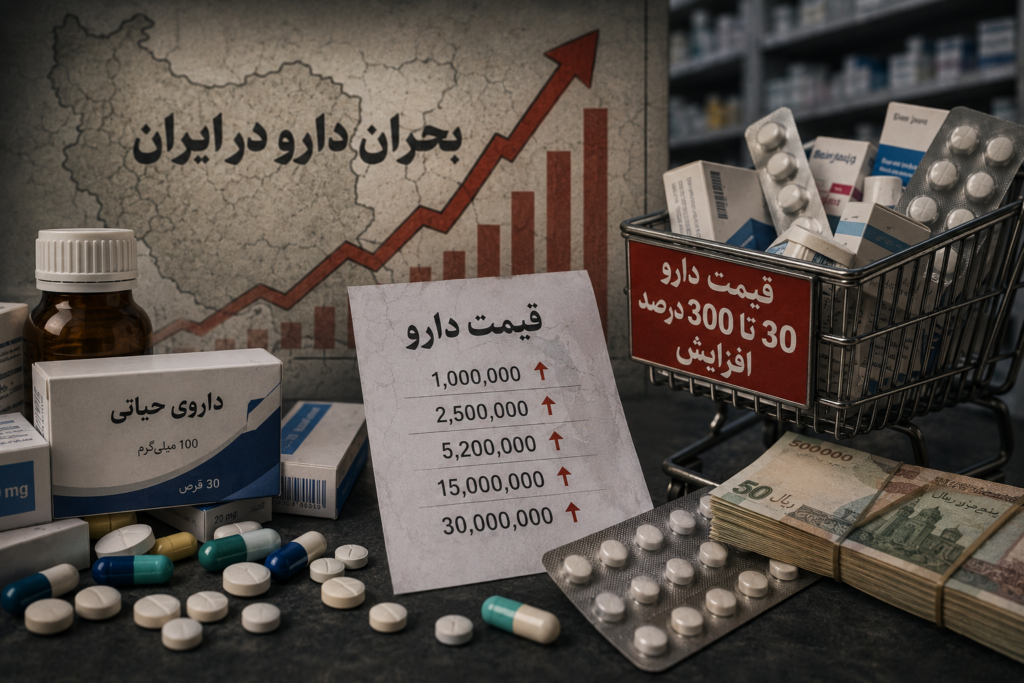
Simay Azadi – Iran’s state-run Etemad newspaper has reported that the country’s medicine crisis has sharply worsened following the recent war and amid what it described as a “fragile ceasefire,” with some drug prices increasing between 30 and 300 percent. According to the report, officials from Iran’s Pharmacists Association said declining foreign currency reserves and reduced government ability to subsidize medicine production and imports have triggered severe shortages and soaring prices. Etemad quoted a cancer patient identified as “Azar M.” as saying: “Before the war, I could obtain this medication with insurance support for less than one million tomans. Now, since the outbreak of the war, I have to buy each dose of Xgeva at the non-subsidized price of 30 million tomans.” The newspaper also described shortages of insulin, cancer drugs, laboratory kits, and imported infant formula, while pharmacies have reportedly begun rationing medicines because of fears of future shortages. State-linked reports attributed part of the crisis to sanctions, disruptions in shipping routes, rising currency exchange rates, and damage caused during the recent conflict, including attacks affecting pharmaceutical infrastructure. However, the crisis has also exposed deeper structural problems inside Iran’s pharmaceutical sector, which for years has faced accusations of corruption, instability, and financial mismanagement. Large parts of Iran’s pharmaceutical and medical import sectors are controlled by economic conglomerates linked to institutions under the authority of the Supreme Leader and the Revolutionary Guards, giving politically connected networks significant influence over medicine production, imports, and distribution. Among the most influential players is the Execution of Imam Khomeini’s Order, known as Setad, a vast economic empire directly controlled by the Supreme Leader. Through subsidiaries such as the Barkat Pharmaceutical Group and the Barakat Foundation, the conglomerate has expanded into nearly every layer of Iran’s pharmaceutical industry, including medicine manufacturing, imports, vaccine production, and hospital drug supply. Investigations and reports during the COVID-19 pandemic showed that several executives connected to Barakat simultaneously held influential regulatory positions inside Iran’s Health Ministry and Food and Drug Administration, blurring the line between regulators and major pharmaceutical interests. Former and current officials inside the health sector have repeatedly acknowledged that state-imposed pricing policies, delayed government payments, weak insurance systems, and overlapping bureaucratic control have pushed many pharmaceutical producers toward bankruptcy. Despite inflation constantly rising, authorities reportedly restricted medicine price increases to around 15 percent for long periods, severely reducing profitability for manufacturers while simultaneously weakening domestic production capacity. Officials from the pharmaceutical sector have also warned that government institutions and insurance organizations accumulated massive unpaid debts to drug companies and pharmacies, creating liquidity shortages that crippled production cycles and forced companies into high-interest borrowing. At the same time, indirect subsidy systems and distorted currency policies reportedly fueled medicine smuggling and corruption networks, further reducing supplies available to ordinary patients inside Iran. The crisis has increasingly affected daily life for ordinary Iranians. One man quoted by Etemad described seeing a citizen plead with a pharmacy to accept his wristwatch in exchange for urgently needed medication. While the recent war intensified supply disruptions, the rapid deterioration of Iran’s pharmaceutical sector has increasingly highlighted broader questions about governance, corruption, state priorities, and decades of economic policies that left the healthcare system vulnerable long before the latest conflict.

News

Brutal Murder of Young Woman in Shahrekord Sparks Public Anger Over Women in Iran

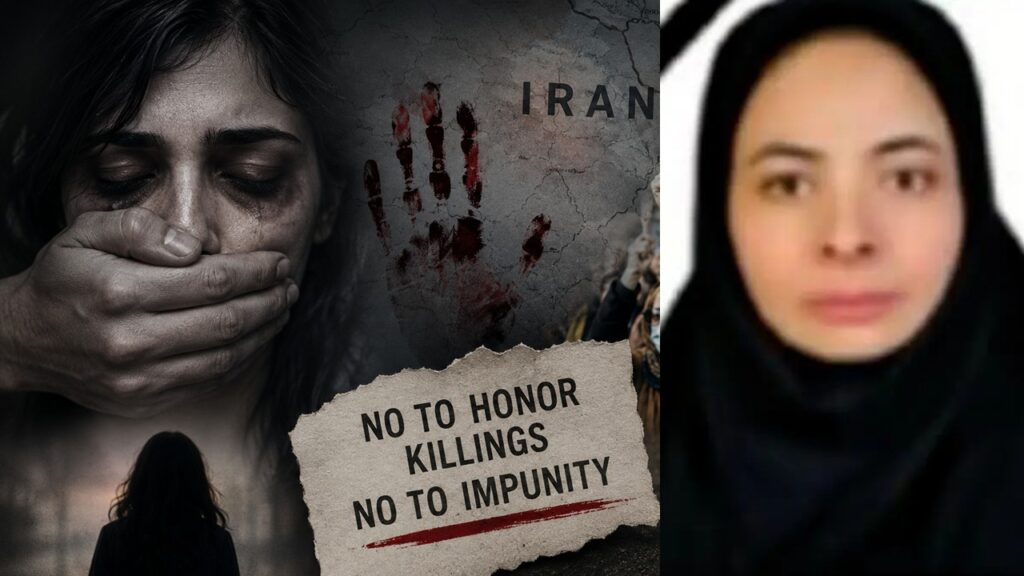
Simay Azadi – Iranian state-linked media reported another shocking case of violence against women after a young woman identified as Maryam Agha Babai was allegedly abducted by an internet taxi driver in Shahrekord and later found murdered. According to reports published by state media outlets including Rokna and Mehr on May 6, Maryam’s burned body was discovered in a mountainous area near Aqbolagh after she had reportedly been killed in the desert areas surrounding Kakolak village. The killing triggered widespread anger, with reports indicating that residents gathered in protest outside the governor’s office in Shahrekord following the incident. The case has once again drawn attention to growing concerns over violence against women in Iran, amid increasing criticism from activists over legal discrimination, weak protections for women, and broader social repression. According to reports published by the Iranian opposition  earlier this year, at least 192 women were killed in Iran in 2025 in cases linked to domestic violence, family-related murders, or so-called honor killings. Many of the victims were reportedly killed by husbands, fathers, brothers, or other male relatives. Just days before the Shahrekord incident, another woman, identified as Mahsa Barahoui, reportedly died in Saravan after allegedly being beaten, strangled, and set on fire by her husband, according to local reports. Recent reports by women’s rights groups and activists have also pointed to increasing arrests and pressure against women across Iran in recent months, particularly following continued crackdowns related to social freedoms and mandatory hijab enforcement. Many activists argue that repeated cases of violence against women, alongside the lack of systemic protections and accountability, have fueled growing public frustration, especially among younger generations in Iran. The repeated cases of brutal killings have fueled growing public anger in recent years, especially among younger generations and women protesting against social restrictions, violence, and lack of accountability in Iran.

News

Iran’s Judiciary Announces Execution of Protester as Crackdown Continues

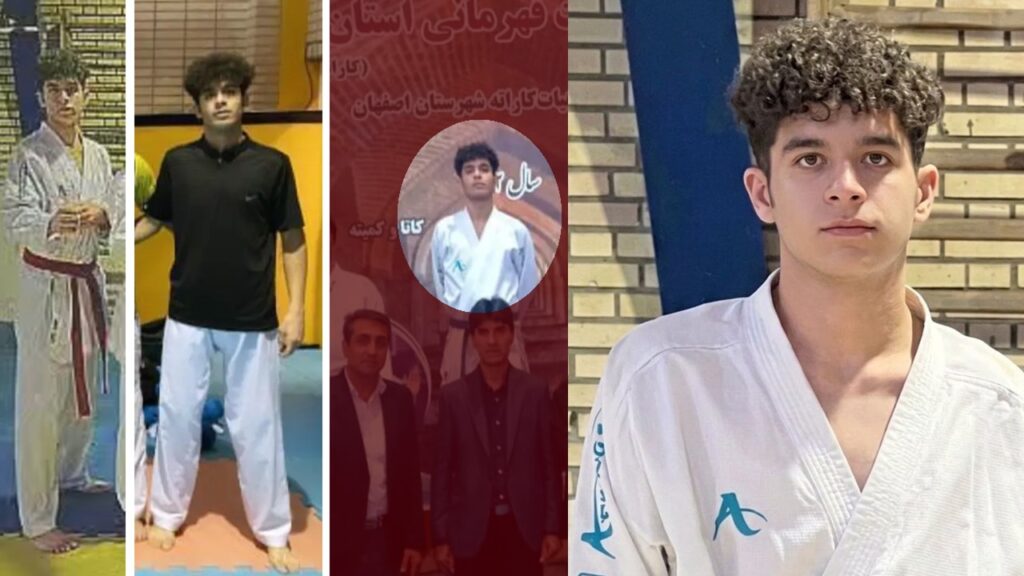
On April 30, 2026, Iran’s judiciary announced that protester Sasan Azadvar, a karate athlete, was executed at dawn in Isfahan. According to judiciary-affiliated reports, he had been charged over involvement in the January protests. Officials claimed he attacked police, damaged a patrol vehicle, attempted to set a police vehicle on fire, and threw stones at security forces. At least ten protesters and dissidents have been executed since the beginning of April, according to compiled reports. This figure is in addition to ten members of the People’s Mojahedin Organization of Iran (PMOI) who have been executed since July 2025. Concerns have also intensified regarding the possible execution of three additional political prisoners. The sudden and separate transfer of Nasser Bakrzadeh, Yaqoub Karimpour, and Mehrab Abdollahzadeh from Urmia Central Prison to undisclosed locations has raised fears of imminent implementation of their death sentences. Reports indicate that on April 30, 2026, Kurdish political prisoner Nasser Bakrzadeh was summoned to the enforcement office before being transferred to an unknown location. Meanwhile, the state-run Mehr News Agency, which is linked to the Ministry of Intelligence and Security (MOIS), reported the arrest of two men and one woman in Lorestan. Authorities alleged that the individuals were part of a three-person cell connected to dissident groups. Officials claimed the group had burned government banners and was receiving “military and ideological training” in preparation for further actions. The report also alleged that they had been tasked with planning attacks on government offices in western provinces using homemade explosives. On the same day, Iran’s judiciary chief, Gholam-Hossein Mohseni-Ejei, reiterated earlier remarks regarding the prosecution of individuals accused of cooperating with opposition groups. Speaking on April 30, he stated that “one of the legitimate demands of the people is that those who have committed crimes… must be prosecuted,” emphasizing that such individuals should be “identified quickly” and “tried quickly… according to the law, and based on fairness and justice.” 🚨 Iran Judiciary Calls for Rapid "Enforcement of Sentences"In recent remarks, Iran’s judiciary chief Gholamhossein Mohseni-Eje’i called for accelerating judicial proceedings and enforcement of sentences. “I emphasize again: these cases must be handled quickly, accurately, and… pic.twitter.com/M6yd7Un1eW — SIMAY AZADI TV (@en_simayazadi) April 30, 2026 He further rejected calls against executions, stating: “They say, ‘No executions.’ Who are you to say no executions? You are dead wrong to say that a criminal… will not face every punishment permitted by law.” He added that the judiciary would proceed with issuing and implementing sentences promptly while informing the public at each stage.

News

Simay Azadi Exclusive: PMOI Commander on Feb. 23 Offensive on Khamenei HQ

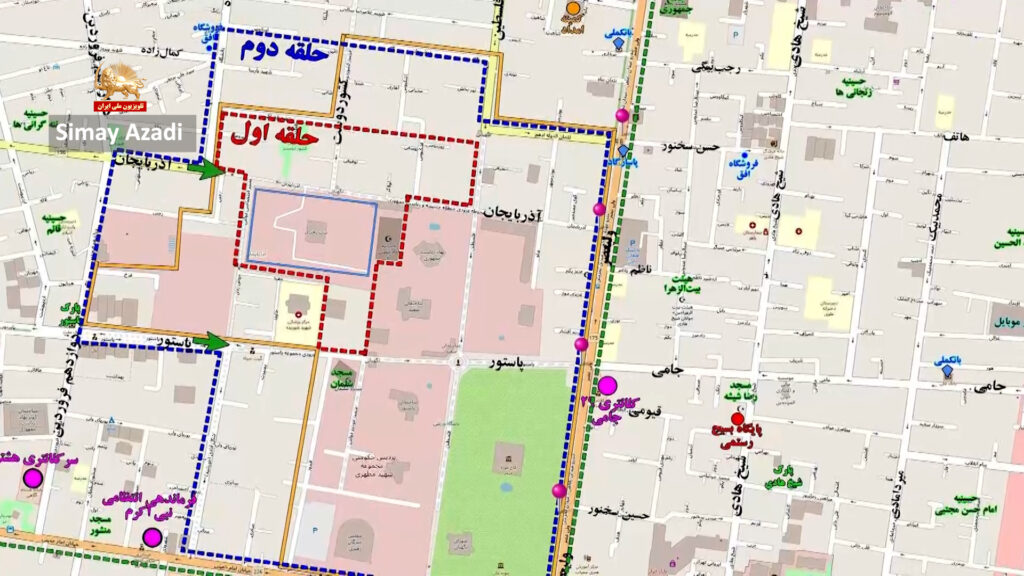
This report features a firsthand account from a commander of the People’s Mojahedin Organization of Iran (PMOI/MEK) Resistance Units who participated in the offensive against the headquarters of the Iranian regime’s Supreme Leader on February 23, 2026. Positioned within the second ring of engagement, the commander describes the tactical movement through Tehran’s back alleys, the intense firefights with security forces, and the vital support provided by local residents. This testimony highlights the determination of the units to strike at the center of the regime’s power despite the heavy presence of the IRGC and specialized protection forces. The Commander’s Report: Hello and greetings. It was around 10:00 PM on Sunday, February 22nd, that according to the plan and schedule we had prepared beforehand, we got our tools and equipment ready. We had to travel a certain distance, and considering the security atmosphere there, we had to start our work around 4:00 AM according to our schedule. Before entering the path, all the guys took an oath together, and with the memory of the resistance martyrs and prisoners, we encouraged ourselves and renewed our covenant to strike at the heart of darkness today—meaning the head of the “Snake of Supreme Leader.” Along the way, we sent a couple of the guys ahead of us, and they identified points where inspections were possible and reported back to us. Through the secondary back alleys, we managed to reach the location we had in mind. In fact, the further we progressed along this path, the more the feeling of power and motivation grew within us. Our entire focus was on being able to carry out our mission in the best possible way. When we reached our intended location, we once again, very quickly, reminded ourselves of our duties. Then, immediately, we moved from Jomhouri Street toward Vali-e Asr. I was moving ahead when suddenly the sound of gunfire and volleys rose from the direction of Azarbaijan, Loghman, and Jami streets—which are the entrances to “Khamenei’s Beyt.” At this point, the guys immediately readied their weapons. With the start of these other units’ activities—as soon as the sound of these noises and explosions rose—the agents poured out like ants and locusts. We couldn’t afford any delay. We immediately began firing toward the security forces, and I can say they were completely caught off guard. This situation was quite evident because their attention was entirely focused on the forces ahead of us who had initiated the operation. This caused us, right at the start—due to that surprise—to take down a number of them. A number of them fell on the sidewalks, and the rest retreated. Of course, they were also firing back at us, but their shooting was blind. It was almost dark, and unfortunately, in the midst of this, one of our guys was hit by a bullet. The others pulled him to a corner so he wouldn’t be in the line of fire of the regime’s forces. Then, we continued firing with even greater intensity. I believe this situation lasted for about half an hour. The sound of gunfire and explosions had filled that entire area. The problem we faced was that we ran low on ammunition. During this time, the guys charged at the enemy with full force. They felt as though they were facing an entire battalion, and this was the reason they just fired blindly and without a target. The casualties they suffered were because of this. They didn’t have the courage to get close to us. We took advantage of this situation and tried to pull back, to get ourselves out of that zone. I should also add that it is a residential area. The help from the people who were there early in the morning was truly effective in our escape from that area. What was very noteworthy was the motivation of our guys to strike them and take them out of action. I must say here that I am proud of every single one of them. You might not believe it, but those who had been shot had morale that was perhaps even higher than ours. Another point I find necessary to mention is the help and assistance of the people in the area. Despite all the dangers this could have entailed for them, they truly did not withhold anything. I once again took an oath that on the path to overthrow the regime, I would not neglect any effort. In the words of Massoud Rajavi and Maryam Rajavi, may God find us worthy to save the people of Iran from the clutches of this bloodthirsty, anti-human regime. And with God’s help, we will certainly accomplish this. Additional Info – According to the Command Headquarters of the PMOI/MEK inside Iran, heavy clashes occurred from the early hours of Monday, February 23, 2026, until that afternoon around Khamenei’s headquarters in the Motahari Complex. This 620 by 770-meter compound houses the offices of Mojtaba Khamenei, the Guardian Council, the Judiciary, and the Ministry of Intelligence. While more than 100 Mojahedin fighters were martyred or arrested, over 150 fighters operating in the second security perimeter (a 350-meter radius) returned safely to their bases. The complex is defended by nearly 8,000 personnel, including the IRGC Vali-e Amr Protection Corps and the Ansar al-Mahdi Corps. Despite the presence of reinforced concrete walls and anti-drone barriers, internal collaborators helped disable surveillance cameras at dawn. Following the attacks—first reported by state-affiliated media at 6:00 AM—heavy casualties were reported within the compound, leading to continuous ambulance traffic until noon. IRGC-run Bultan News admitted the severity of the breach, questioning how the “enemy” achieved such audacity in the heart of Tehran. Meanwhile, the regime has initiated brutal pursuit operations across the capital, though many citizens continue to provide shelter to wounded fighters.

Iran War, News

LIVE REPORT —War in Iran: NCRI Declares Transitional Government to Transfer Sovereignty to the People

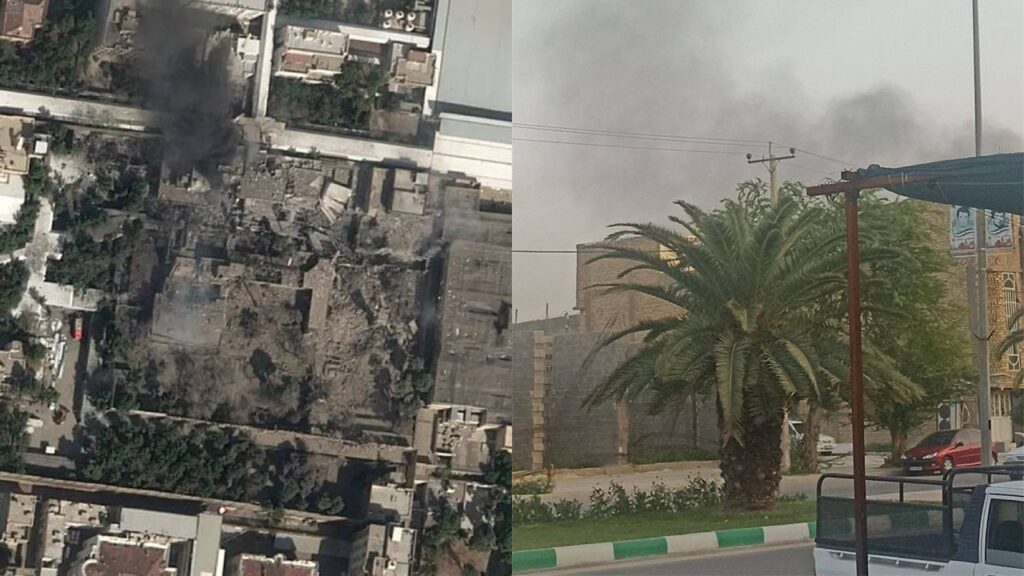
Explosions Across Tehran and Multiple Provinces as Missile Exchanges Expand Regionally A military escalation unfolded across Iran following coordinated strikes attributed to the United States and Israel, targeting military and political infrastructure inside the country. Explosions were reported across Tehran and more than 20 provinces. Missile exchanges quickly expanded beyond Iran’s borders, triggering air defense responses in Israel and several Persian Gulf states. Regional governments issued emergency statements, airspace closures followed, internet disruptions were reported inside Iran, and diplomatic tensions surged worldwide. This is a developing situation. 🔴 Key Developments Declaration of a Transitional Government by the National Council of Resistance of Iran To Transfer Sovereignty to the People of Iran and Establish a Democratic Republic Based on Mrs. Maryam Rajavi’s Ten-Point Plan In a decisive political development amid escalating military events, the National Council of Resistance of Iran has declared the formation of a Transitional Government aimed at transferring sovereignty to the people of Iran and establishing a democratic republic. 🔴 10:00 PM CET — Escalation Deepens, Khamenei’s Status in Question As military exchanges intensify across the region, new statements from international and military sources point to a rapidly evolving situation inside Iran. ▪ Netanyahu: “Signs” Khamenei May No Longer Be in Power Reuters reports that Israeli Prime Minister Benjamin Netanyahu said there are “many signs” suggesting that Iran’s Supreme Leader Ali Khamenei “is no longer,” while stopping short of providing confirmation.He added that Israel’s operation would continue as long as necessary. Separately, Reuters reported that Iranian officials stated Khamenei was not in Tehran and had been moved to a secure location, though his condition or status has not been officially confirmed. ▪ CENTCOM: Hundreds of Iranian Missiles and Drones Intercepted According to statements from U.S. Central Command (CENTCOM), American forces successfully defended against hundreds of Iranian missile and drone attacks across the region.CENTCOM reported no U.S. casualties and minimal damage to American installation Strikes Inside Iran Israeli officials stated that dozens of military sites were targeted in coordinated operations conducted alongside the United States. Confirmed and reported targets included: Explosions were reported in: Tehran, Ahvaz, Urmia, Karaj, Kermanshah, Isfahan, Qom, Tabriz, Dezful, Kharg Island, Kordestan Province, and eastern districts of Tehran including Seyed Khandan. Reports indicated strikes near Mehrabad Airport and areas close to presidential and the supreme leader’s compounds. Smoke columns were observed rising over central Tehran. Israeli officials stated that essential regime personnel connected to military planning were targeted. Some reports indicated that Ali Khamenei and President Pezeshkian were among those targeted. Iranian authorities later stated Khamenei had been moved to a secure location. Casualties Among Regime Command Arabic media cited Iranian sources confirming that senior Revolutionary Guard commanders and political officials were killed. Reports from sources close to regime channels indicated significant casualties among IRGC operational personnel, including individuals holding specialized command roles. Iranian Missile Response Iranian state-linked outlets reported missile strikes targeting: Sirens sounded across Israel including Tel Aviv, the Galilee, Golan Heights and northern coastal regions. Smoke was reported over Tel Aviv. Regional governments confirmed interception of missile waves. Qatar, UAE, Kuwait and Bahrain stated they reserve the right to self-defense. Regional Escalation Kataib Hezbollah in Iraq warned that attacks on U.S. bases would begin soon. Reports indicated drone activity targeting the U.S. consulate in Erbil. Coalition forces reportedly intercepted missiles and drones. Yemen’s Ansar Allah announced resumption of Red Sea operations. Explosions were reported in Syria’s Sweida industrial zone after a missile impact caused casualties. International Reactions France, Germany and the United Kingdom issued a joint statement declaring they were not involved in the attack but are in close contact with international partners. European leaders condemned Iranian missile attacks and called for restraint. French President Emmanuel Macron warned the conflict carries consequences for global peace and security and called for an urgent UN Security Council meeting. EU Commission President Ursula von der Leyen called for maximum restraint. Spain rejected unilateral military escalation. Saudi Arabia condemned Iranian attacks on Gulf states. Oman expressed disappointment at the collapse of diplomacy. Canada supported U.S. efforts to prevent Iran from acquiring nuclear weapons. Kosovo expressed support for U.S. action. Domestic Situation Inside Iran The regime’s judiciary warned that spreading fear or rumors would be treated as a national security offense. The Supreme National Security Council announced that schools and universities would remain closed indefinitely. Mobile service disruptions were reported across eastern and western Tehran. Internet connectivity weakened in several areas. Major Iranian state news websites experienced hacking or access disruptions. Witnesses reported long fuel lines in Tehran as residents attempted to leave the city. Iran’s airspace was closed. Airspace and Travel Disruptions Russia halted flights to Iran and Israel and began evacuating personnel. Turkey suspended flights to Lebanon, Syria, Iraq, Iran and Jordan. Airlines across the Middle East suspended operations. Cyber Operations Cyber disruptions affected Iranian government news platforms including IRNA and ISNA. What Happened Coordinated U.S.–Israeli strikes targeted Iranian military and political infrastructure. Iran responded with multiple missile waves toward Israel and U.S. regional bases. Missile interceptions were reported across Gulf states, and explosions were heard in numerous Iranian cities. Airspace closures, evacuations, internet disruptions and global diplomatic reactions followed, marking one of the most significant regional escalations in recent years.

Iran Protests 2026, News

Live Report – Day 31 of Iran Protests Student Mobilization, and New Martyrs Identified

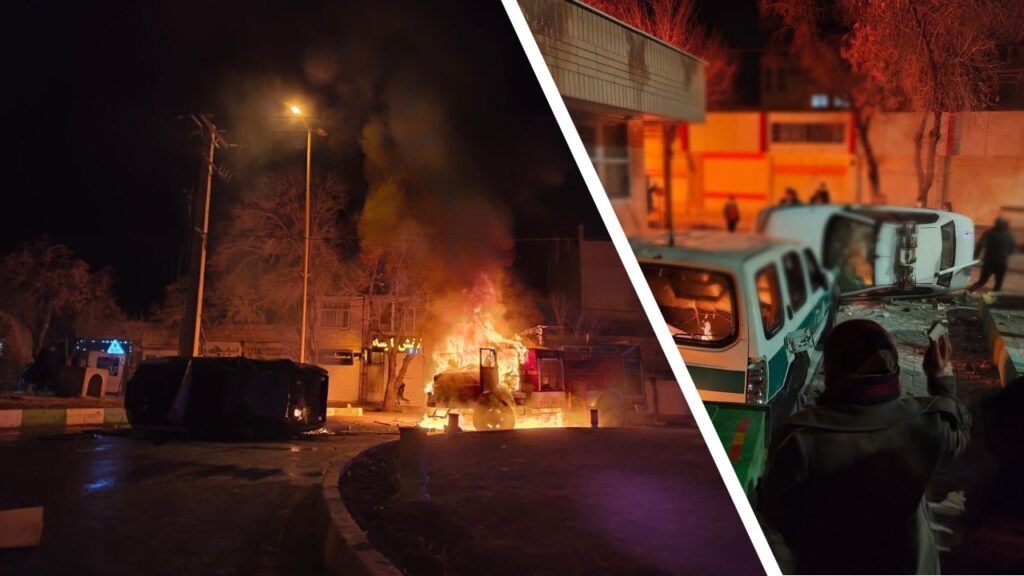
Day 31 of Iran Protests Live Report: Student protests expand in Tehran, clashes reported in multiple cities, and the number of identified martyrs reaches 700 Key Highlights from Day 31 of Iran Protests Martyrs of the Uprising: New Names Released The People’s Mojahedin Organization of Iran announced on Monday, January 26, 2026, the names of 69 additional martyrs of the nationwide uprising after verification. This brings the total number of identified martyrs to 700, including 84 women and at least 40 children and teenagers. Urban Clashes and Confrontations Across Iran Tehran (Ariashahr) – Friday, January 9, 2026 Skirmishes and running confrontations erupted in the streets of Ariashahr, forcing special units to retreat amid widespread street unrest. Karaj (Azimieh) – Thursday, January 8, 2026 Protesters set fire to the municipality building of District 1 in Azimieh. Video footage recorded voices stating that the building had been taken over before crowds moved toward nearby security facilities. Shahriar (Qods / Qal‘eh Hassan Khan) – Wednesday, January 7, 2026 The local municipality building was set ablaze during confrontations with security forces. Ramsar – Thursday, January 8, 2026 Clashes led to the takeover and burning of a police station. Security forces were forced to flee, and several police vehicles were set on fire. Footage showed officers surrendering with raised hands before retreating. University of Tehran: Student Protests and Sit-ins On Monday, January 26, 2026, students at the University of Tehran held multiple gatherings: Students later held a sit-in outside the hall, maintaining their protest stance. Rasht: From Economic Protest to Sustained Clashes In Rasht, protests evolved rapidly over several weeks: Throughout this period, chants such as “Don’t be afraid, we’re all together” and “Death to the dictator” echoed across Rasht. What Happened On Day 31 of the Iran Protests, the uprising showed its multi-layered strength: rising martyr numbers underscored the regime’s brutality, while students, urban protesters, and striking communities continued to challenge repression across Iran. From universities to city streets, the movement sustained pressure despite arrests, violence, and intimidation—demonstrating its persistence and nationwide character.

Scroll to Top