Simay Azadi English

Author name: News Desk

Iran Protests 2026 January 10
Iran Protests 2026, News

Iran Protests Live Update – Day 15: Night Clashes, Arson Attacks, and Heavy Casualties

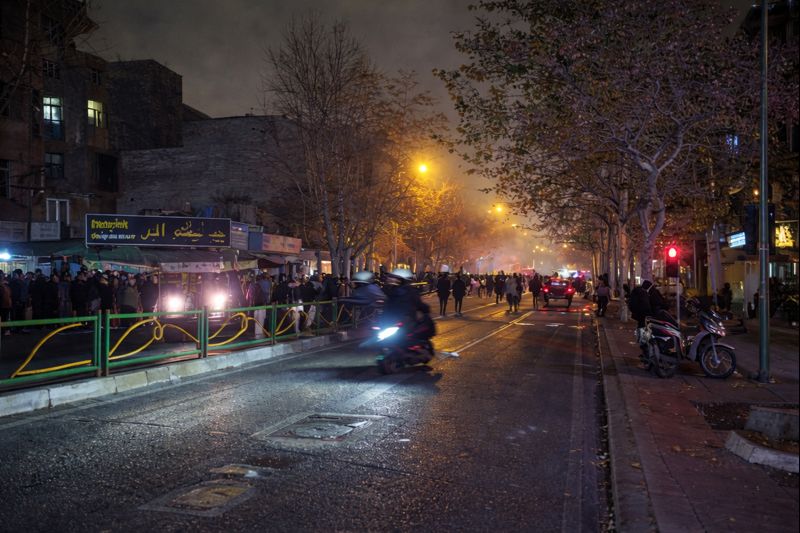
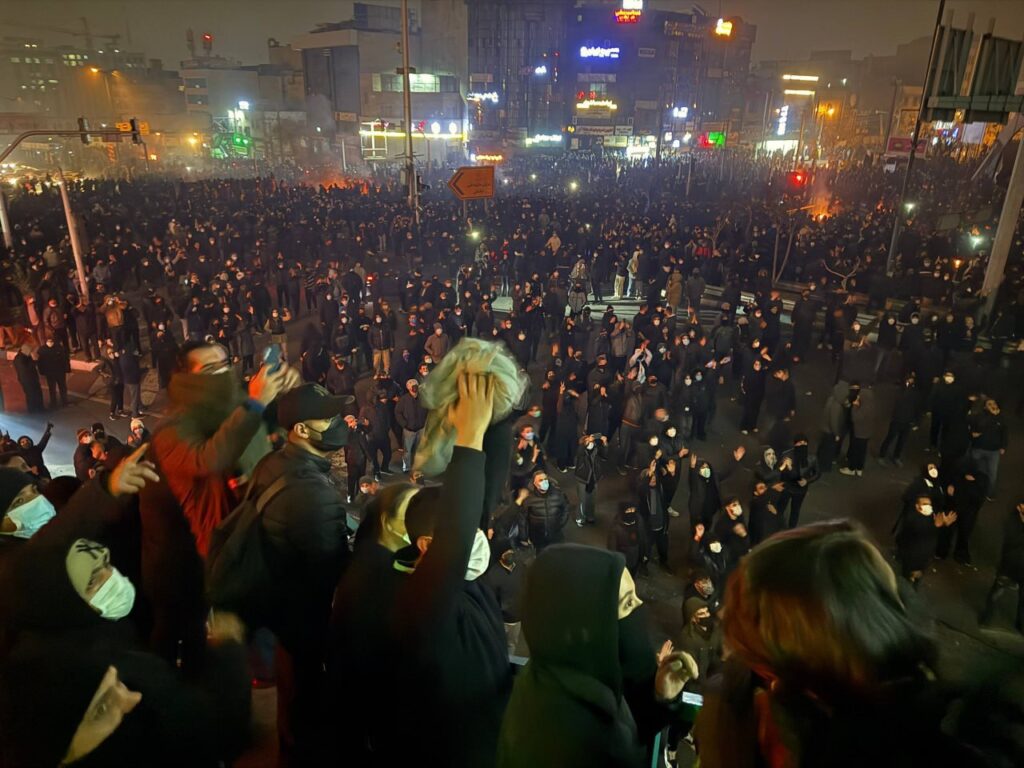
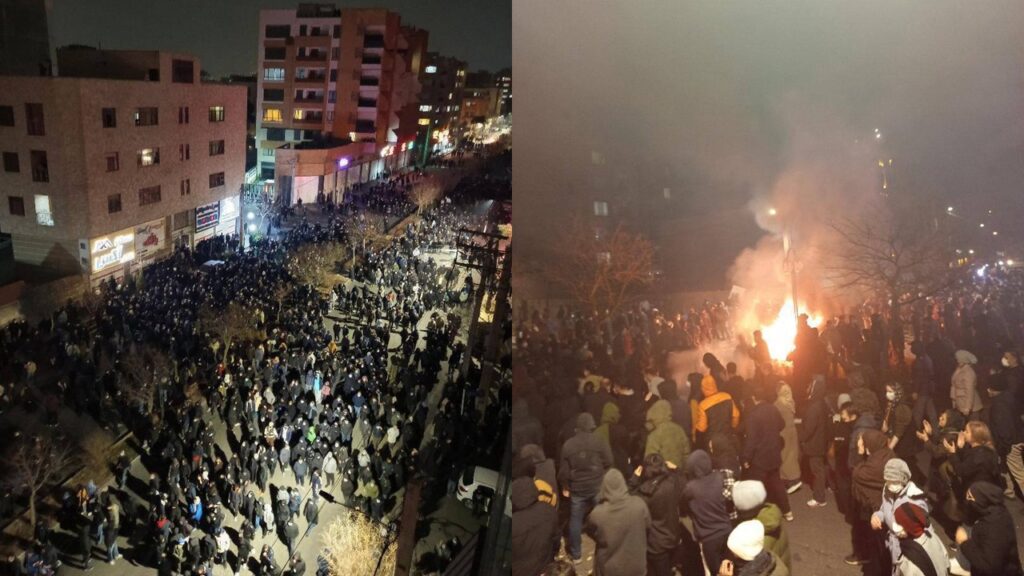
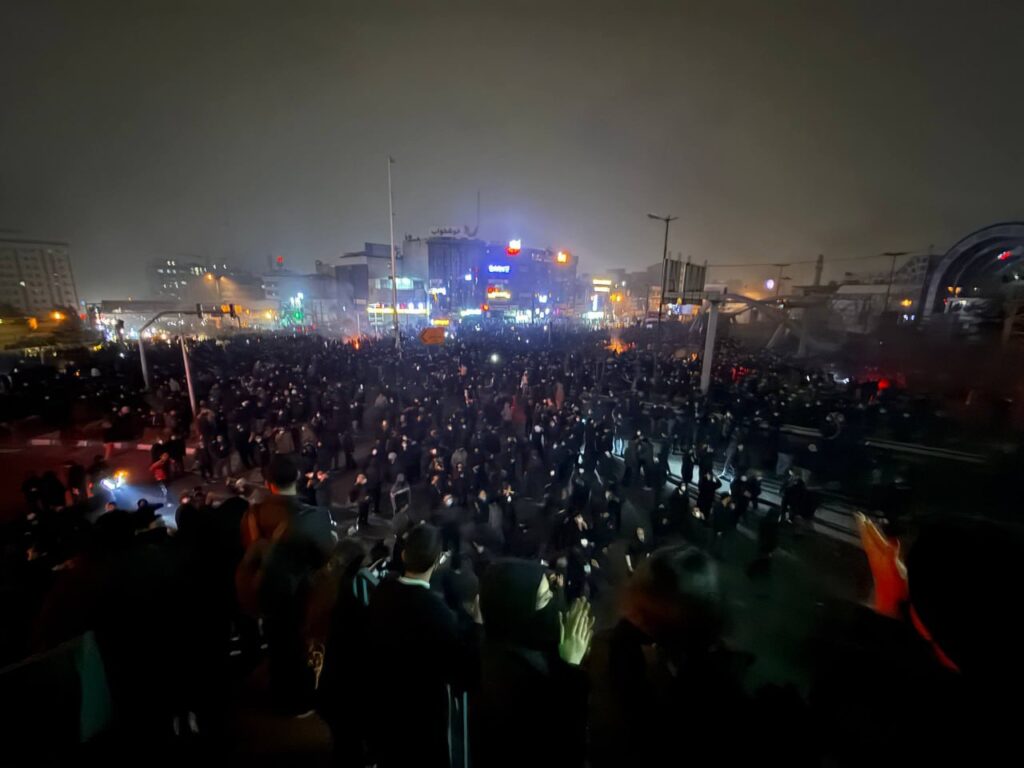
Day 15 Live Report: Nighttime confrontations in Tehran and multiple cities as Iran Protests intensify On Sunday, January 11, 2026, the nationwide uprising entered its 15th day, as Iran Protests continued since early hours of Saturday night with coordinated street actions, armed confrontations, and attacks on regime institutions across several provinces, according to reports obtained by Simay Azadi. Key Highlights from Today’s Iran Protests: Live Updates – Iran Protests (Chronological) Update – 8:50 PM CET Exclusive: Heavy Nighttime Clashes Across Tehran and Multiple Cities Update 6:30 PM CET Reports from Iran indicate that today’s protests have kickstarted in Tehran’s Punack district. Iran Protests – 10 More Victims of the Nationwide Uprising Identified The People’s Mojahedin Organization of Iran announced on Sunday, January 11, the identities of 10 additional victims of the nationwide uprising, following verification and confirmation. According to the announcement, five of the newly identified victims were from Kermanshah and were killed on January 8, 2026, after being shot directly by regime security forces during protests and clashes in the city. Two others, including one woman from Iranian Kurdistan, were killed in Tehran on January 8 and 9. Among the victims is a 16-year-old teenager killed in Tehran. Most of the victims identified so far were shot in the head. Identified Victims: Update 2:30 PM CET Iran Protests – Night Clashes and Arson Attacks Across Multiple Cities (January 10, 2026) Update 7:00 AM (CET) In Tehran, protesters blocked reinforcement routes on Ferdows Boulevard on Saturday night, January 10, setting fires and chanting “Death to Khamenei.” Further clashes were reported the same night between protesters and special units near 17 Shahrivar Street and Shadabad, as well as in Punak, where running street battles continued for hours. In Tehranpars, on Friday night, January 9, heavy gunfire was reported around Police Station 126. Footage obtained exclusively by Simay Azadi shows scenes resembling a war zone, with relentless automatic fire by the regime’s State Security Forces (SSF), some positioned on rooftops and firing toward surrounding streets. Amid the sustained gunfire, young protesters can be heard chanting “Death to Khamenei” and “Don’t be afraid,” defiantly continuing the Iran Protests under a hail of bullets. In Tehranpars earlier the same night, protesters also launched a bold offensive against special units, forcing them to retreat following intense clashes. On Saturday in Shiraz, protesters barricaded streets in Ma’ali Abad and Kooshk on Saturday night, confronting special units and IRGC forces. During the same night, protesters set fire to a branch of the Agricultural Bank, while additional road blockades were reported in Ghodousi-e Gharbi, where fires were used to cut off reinforcement routes. In Fardis, protesters engaged in repeated hit-and-run clashes with special units on Saturday night, forcing security forces to withdraw from several streets. In Urmia, protesters seized control of a Basij base on Saturday night, marking a significant escalation in the Iran Protests in northwestern Iran. In Ilam, protesters engaged in sustained clashes with special units and IRGC forces on Saturday night, with reports of intense street fighting and repeated advances by protesters. In Quchan, protesters clashed with special units on Saturday night, later setting fire to the governor’s office. During the confrontations, eight protesters were killed, according to reports received by Simay Azadi, marking one of the deadliest incidents of the night. What Happened The current wave of Iran Protests began amid deep public anger over political repression, economic hardship, and decades of authoritarian rule. What started as localized demonstrations has evolved into a nationwide uprising, driven largely by youth and grassroots networks, challenging the legitimacy of the ruling system despite escalating violence.
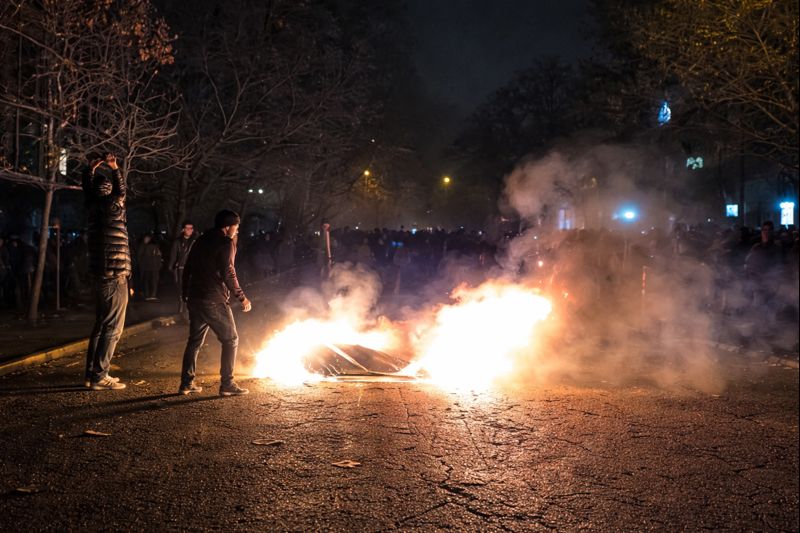
Iran protests 2026
Iran Protests 2026, News

Iran Protests Mark Twelfth Day with Nationwide Street Clashes

Day 12 Roundup: Widespread bazaar strikes, coordinated protests, and escalating confrontations across Iran On Thursday, January 8, 2026, the nationwide uprising entered its twelfth day, as Iran Protests were marked by extensive strikes across major cities, alongside street demonstrations and clashes between protesters and regime forces. Key Highlights from Today’s Iran Protests: On January 8, 2026, during the twelfth day of the nationwide uprising, markets in Tehran, Tabriz, Urmia, Mahabad, Ardabil, Ilam, Sabzevar, Arak, Neyshabur, Isfahan, Fardis, Bandar Abbas, and several cities across Kurdistan province, including Sanandaj, remained closed as part of a coordinated strike. The action followed a call by seven Kurdish political parties and organizations, significantly expanding the scope of the Iran Protests. In Borujerd, bazaar merchants closed their shops and joined residents and rebellious youth in street demonstrations. Protesters marched through the city as public anger continued to build during the Iran Protests. Simultaneously, demonstrations by rebellious youth continued in multiple cities. In Shiraz, protesters forced law enforcement units to retreat. In Kermanshah and Hamedan, rebellious youth staged protests and clashed with regime forces as Iran Protests persisted. In Lumar, demonstrators chanted “Death to Khamenei” and “Tanks, cannons, fireworks—clerics must be gone,” torching a chain store affiliated with the IRGC and attacking a branch of the Agricultural Bank, scattering documents into the streets. Protests were also reported in Kazerun, Borujerd, and Hamedan as the Iran Protests continued into the twelfth day. In Kerman, rebellious youth clashed with law enforcement forces and set fires in the streets. During the evening of the eleventh day of the uprising, widespread clashes erupted in Aligudarz, while an undeclared state of lockdown was reported in Nurabad. In Kashan and Chenar Shahijan, statues of Qassem Soleimani were destroyed and set on fire by protesters. Intense clashes were also reported in Malekshahr, Isfahan, and Fasa. In Bojnurd, thousands demonstrated chanting “This year is the year of blood.” In Bandar Abbas (Negin Passage) and Khash, protesters lit fires, staged demonstrations, and seized control of streets as Iran Protests continued nationwide. What Happened The current wave of Iran Protests began amid deep public anger over political repression, economic hardship, and decades of authoritarian rule. What started as localized demonstrations has evolved into a nationwide uprising, driven largely by youth, workers, and organized grassroots networks, challenging the legitimacy of the ruling system despite violent crackdowns.

Iran Protests 2026, News

Iran Protests Intensify on Eleventh Day

Day 11 Roundup: Shiraz uprising, nationwide strikes, and escalating confrontations across multiple provinces On the eleventh day of the nationwide uprising, Iran Protests escalated sharply, led by mass demonstrations and road blockades in Shiraz, alongside expanding strikes by bazaar merchants and coordinated street actions across several major cities. Key Highlights from Today’s Iran Protests: Flames of the uprising surged in Shiraz on the eleventh day of the nationwide uprising, as rebellious youth launched demonstrations, set fires, and blocked roads. At the same time, bazaar merchants in Shiraz went on strike, significantly expanding the scope of the Iran Protests in the city. Bazaar merchants in Kermanshah also launched strikes, while residents in Mashhad, Qazvin, Neyshabur, Tabriz, and several other cities began the eleventh day of Iran Protests with demonstrations and strikes. During the evening of the tenth day of the uprising, clashes erupted across numerous cities as rebellious youth confronted forces loyal to Ali Khamenei. Street battles, arson attacks, and road blockades were reported as Iran Protests intensified overnight. Video footage from recent days documents coordinated actions by resistance units across multiple locations. In Malekshahi, Ilam province, regime forces fled following attacks by protesters, while in separate incidents rebellious youth temporarily took control of parts of the city (January 6, 2026). In Tehran, protesters blocked reinforcement routes by setting trash bins on fire in Helal Ahmar, Moshiriyeh, and Haft-Hoz, disrupting security deployments (January 5–6, 2026). In Mashhad, protesters launched repeated Molotov attacks on a Basij base known as Aghdasiyeh, blocked reinforcement routes with fire, and confronted Basij forces directly (January 5–6, 2026). At Birjand University, students chanted, “I will kill the one who killed my brother,” signaling the growing role of campuses in the Iran Protests (January 5, 2026). Further actions were reported in Yazdanshahr near Isfahan, where protesters blocked roads and clashed with security forces (January 6, 2026), and in Lordegan, where a law enforcement vehicle was set ablaze by rebellious youth (January 4, 2026). What Happened The current wave of Iran Protests began amid widespread public anger over political repression, economic hardship, and decades of authoritarian rule. What started as localized demonstrations has evolved into a nationwide uprising, driven largely by youth, workers, and grassroots networks, challenging the legitimacy of the ruling system despite violent crackdowns.

Iran Protests 2026, News

Iran Protests Enter Ninth Night Across Multiple Cities

Day 9 Roundup: Tehran demonstrations, bazaar protests, and expanding unrest across western and central Iran On Monday, January 5, 2026, the nationwide uprising entered its ninth consecutive night, as Iran Protests continued across Tehran and multiple cities, with rebellious youth confronting forces loyal to Ali Khamenei amid escalating repression. Key Highlights from Today’s Iran Protests: On the night of January 5, 2026, during the ninth night of the nationwide uprising, Iran Protests unfolded across Tehran and numerous other cities, as rebellious youth confronted regime forces. In Tehran, protesters gathered in the Haft-Hoz area of Narmak, chanting “This year is the year of blood; Seyed Ali will be overthrown.” In Tehranser and Nazi Abad, crowds took to the streets chanting “Death to the dictator.” In Yaft Abad and Shahrak-e Vali-Asr, rebellious youth set fire to two motorcycles belonging to law enforcement forces. Earlier on Monday, Tehran bazaar merchants staged protests in the Cheragh Bargh Market, Sepahsalar, and the Ironmongers’ Bazaar, voicing anger over soaring currency prices and deteriorating living conditions. Chanting “Shameless, shameless,” they clashed with law enforcement forces who attacked demonstrators using tear gas, as Iran Protests expanded into commercial centers. In Sonqor and Koliai and Eslamabad-e Gharb in Kermanshah province, protesters chanted “Death to Khamenei.” In Arak, rebellious youth blocked streets by setting trash bins on fire while continuing Iran Protests with anti-regime slogans. In Jogh Abad, Isfahan province, protesters confronted direct fire from regime forces while chanting “Death to the oppressor.” Nighttime Iran Protests were also reported in Gohardasht and Golshahr in Karaj, with continued anti-regime chants. What Happened The current wave of Iran Protests began amid deep public anger over political repression, economic hardship, and decades of authoritarian rule. What started as localized demonstrations has evolved into a nationwide uprising, driven largely by youth and grassroots networks, challenging the legitimacy of the ruling system despite violent crackdowns.

Iran Protests 2026, News

Iran Protests Continue on Eighth Day Across 107 Cities

On the evening of Sunday, January 4, 2026, the eighth day of the nationwide uprising, Iran Protests unfolded in Tehran and numerous other cities, marked by widespread demonstrations and intense clashes between protesters—particularly rebellious youth—and the regime’s repressive forces. Over the past eight days, Iran Protests have spread to 107 cities nationwide. Despite a full state of alert imposed on military, law enforcement, and security forces in Tehran, Iran Protests erupted in multiple districts of the capital, including Jomhouri Street, Moshiriyeh, Sadeghieh, Narmak (Haft-Hoz), Tehranpars, Shahrak-e Vali-Asr, Jannat Abad, Siros Crossroads, and other central areas, where protesters chanted “Death to Khamenei.” In Nurabad Mamasani (Fars province), Iran Protests escalated into armed confrontations with regime forces, with running street battles reported. In Isfahan, rebellious youth clashed with security units at Si-o-Se Pol (33-Bridge), Khaju Bridge, and Chaharbagh Avenue, setting fire to regime vehicles. In Fooladshahr, protesters confronted law enforcement forces that were firing toward civilians. Amid fears of a student uprising linked to the Iran Protests, authorities shut down Isfahan University of Technology for nine days. On January 4, 2026, the eighth day of the Iran Protests, several victims of the uprising in Malekshahi, Ilam province, were laid to rest as crowds chanted “Death to Khamenei.” Later on January 4, 2026, security forces attacked Khomeini Hospital, where individuals injured during recent Iran Protests were receiving medical treatment. Wounded patients were beaten inside the hospital. Residents rushed to assist the injured, while others remained in the streets until late at night, lighting fires, erecting barricades, and blocking roads as the Iran Protests continued.

Scroll to Top