Simay Azadi English

Author name: admin1

Iran Protests 2026, News

Live Report – Day 18 of Iran Protests: Mass Public Backing, Street Battles, and New Victims Identified

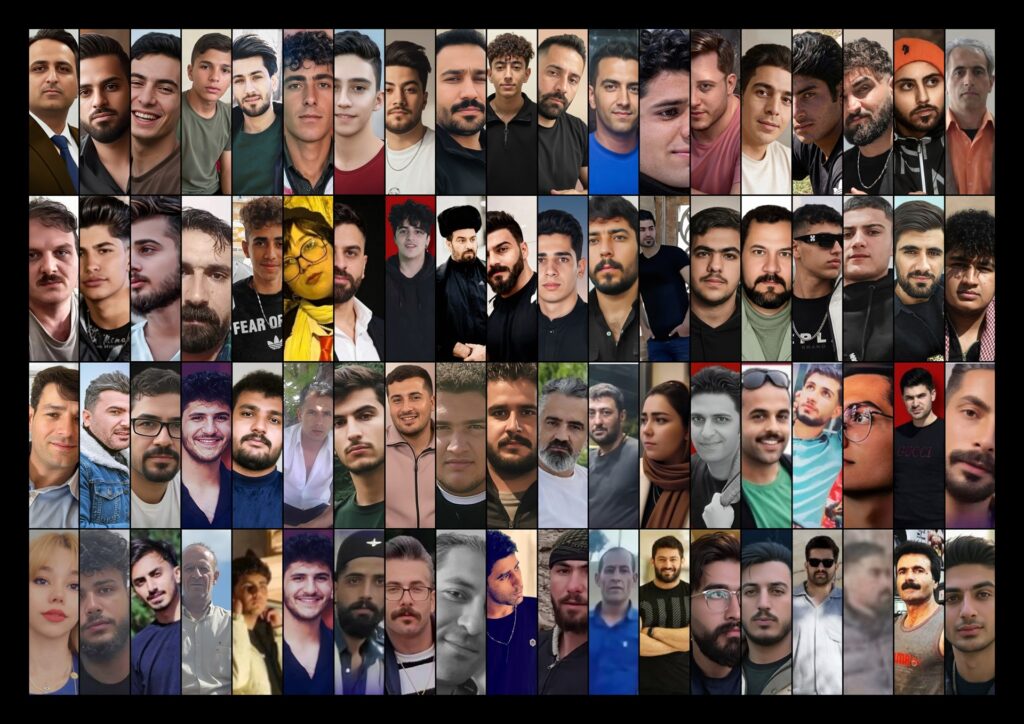
Day 18 Live Report: Widespread street confrontations, public support in Tehran, and confirmation of additional victims nationwide On Tuesday night, January 13, 2026 (23 Dey 1404), the nationwide uprising entered its eighteenth day, as Iran Protests continued with severe street battles, open public backing in major cities, and new confirmations of victims from across the country. Key Highlights from Today’s Iran Protests: Tehran Mobilization: Large crowds backed protesters during intense street battles in Sadeghieh, Theater City, and Ashrafi Esfahani. Nationwide Resistance: Sustained urban confrontations continued in Shiraz, Tabriz, Karaj, Ilam, Kermanshah, and Urmia. Victims Identified: Opposition sources confirmed the identities of 38 additional victims, including five women, as the nationwide death toll remains above 3,000. Live Report – Day 18 Developments 🔴 Update – 11:00 PM (Tuesday, January 13, 2026) Iran Protests – Arrests Nationwide Exceed 50,000, Opposition Says The People’s Mojahedin Organization of Iran announced that the total number of arrests and detentions linked to the nationwide uprising has exceeded 50,000 people across Iran from December 27, 2025, to January 14, 2026 (7 Dey to 24 Dey 1404). https://twitter.com/en_simayazadi/status/2011554532896203085 According to the statement, groups of detainees were arrested en masse at protest scenes, with some later released; however, the exact number of those released remains unknown. Surprise arrests and detentions carried out through raids on homes, neighborhoods, and shuttered workplaces are continuing. The figures are based on detailed investigations covering 144 cities, with additional inquiries conducted in 76 cities through eyewitnesses, families, local workers, and detainees. The organization emphasized that obtaining precise and comprehensive figures is only possible through an independent international fact-finding mission with access to all regime prisons and detention centers. The statement also recalled remarks made on May 6, 2025, by Gholamhossein Mohseni Ejei, the head of Iran’s judiciary, who admitted that during the 2022 uprising, authorities had opened “around 90,000 cases.” He acknowledged that those targeted included students, schoolchildren, teachers, workers, women, and men from across different social classes, warning at the time about the political consequences of mass prosecutions and imprisonments. 🔴 Update – 3:00 PM CET Iran Protests – Widespread Clashes and Funeral Rallies Across Multiple Cities On Tuesday, January 13 (23 Dey 1404), protests and confrontations between citizens and regime forces continued across Tehran and numerous cities nationwide. In Tehran, large crowds gathered Tuesday night in Sadeghieh, chanting “Death to the dictator.” Protesters engaged in street battles with special units in Haft-Hoz, Pirouzi, Theater City, Ashrafi Esfahani, Tehranpars, and Valiasr. Nighttime demonstrations were also reported in Ekbatan. In Nazi Abad, security forces fired pellet shots, injuring several protesters. Earlier Tuesday morning, funeral processions for fallen protesters were held at Behesht-e Zahra Cemetery, with chants of “Death to Khamenei.” In Mashhad, clashes between protesters and security forces resulted in the killing of one colonel and three Basij members who had opened fire on demonstrators. In Kermanshah, street battles continued throughout the night between rebellious youth and security forces. In the Taq-e Bostan area, forces fired directly at civilians. The regime reportedly deployed reinforcements to Kermanshah from Qasr-e Shirin, Ravansar, and Javanrud. In Shahr-e Babak, Kerman Province, a war-like situation prevailed, with hundreds arrested. Reports indicate the city’s intelligence chief had been wounded in earlier clashes. In Kerman, heavily armed security forces were deployed in the streets, and families were reportedly extorted large sums to recover the bodies of victims. Tuesday night clashes were also reported in Shiraz, Ilam, and Karaj, as protesters confronted special units across multiple neighborhoods. In Tabriz, Abarasan remained a flashpoint for continued street battles. In Isfahan, protesters set fire to Basij motorcycles during clashes. Additional reports from Tuesday night include: In Tehran, on Tuesday night, protesters engaged in severe and widespread street battles with special units in Sadeghieh, with large numbers of residents openly supporting the protesters and chanting “Death to the dictator.” Further confrontations erupted in Theater City and along Ashrafi Esfahani Boulevard, where protesters fought close-quarters street battles with IRGC forces across multiple intersections. In Shiraz, protesters maintained continuous street resistance against armed IRGC forces, extending unrest into the seventeenth consecutive day in the city. In Tabriz, rebellious youth fought fierce street battles with special units in the Abarasan district as security forces attempted to advance. In Karaj, protesters confronted armed special-unit forces during sustained nighttime clashes. In Ilam, protesters engaged in close-quarters street battles with armed IRGC and special-unit forces. In Kermanshah, street-to-street battles continued as protesters confronted IRGC forces across multiple neighborhoods. In Urmia, protesters maintained street-level resistance despite continuous live fire by special units. Additional Update – Victims of the Nationwide Uprising The People’s Mojahedin Organization of Iran announced on Tuesday, January 13, that it has identified 38 additional victims of the nationwide uprising following verification and confirmation. Five of the newly identified victims are women. Iran Uprising | 31 Martyrs IdentifiedThe @Mojahedineng has announced the names of 15 additional martyrs of Iran’s nationwide uprising, bringing the total number of identified martyrs to 31 so far. Among the newly identified victims are two teenagers aged 14 and 15, and two… https://t.co/a8jsZeX1mm pic.twitter.com/KjS7PZ3mUL — SIMAY AZADI TV (@en_simayazadi) January 6, 2026 The announcement follows a statement issued on January 12, confirming that the total number of victims nationwide has exceeded 3,000 since the uprising began on December 27, based on investigations conducted through local sources, hospitals, forensic medicine centers, and families across Iran. Identified Victims (38): Siamak Rashed (54) – Tehran – Jan. 11Mahmoud Mousavi (29) – Qeshm Island, Hormozgan – Jan. 10Javad Ganji (39) – Tehran – Jan. 9Ali Dehghan Jouqan (55) – Tehran – Jan. 9Bahram Zahedi (42) – Rasht, Gilan – Jan. 9Mojtaba Ghorbani (33) – Rasht, Gilan – Jan. 8Ako Mohammadi (22) – Qeshm Island, Hormozgan – Jan. 8Khaled Malaei – Bandar Abbas, Hormozgan – Jan. 8Mohammad Mohammadlou – Bandar Abbas, Hormozgan – Jan. 8Helako Ivani – Eslamabad-e Gharb, Kermanshah – Jan. 8Bayat Sobhani (40) – Paveh, Kermanshah – Jan. 8Amirali Heidari – Kermanshah – Jan. 8Sajjad Feyzi – Kermanshah – Jan. 8Mohammad Jafari – Kermanshah – Jan. 8Erfan Jameh-Shouraee
John Bercow
Uncategorized

John Bercow: “The Iranian Regime Must Be Shamed, Not Appeased”

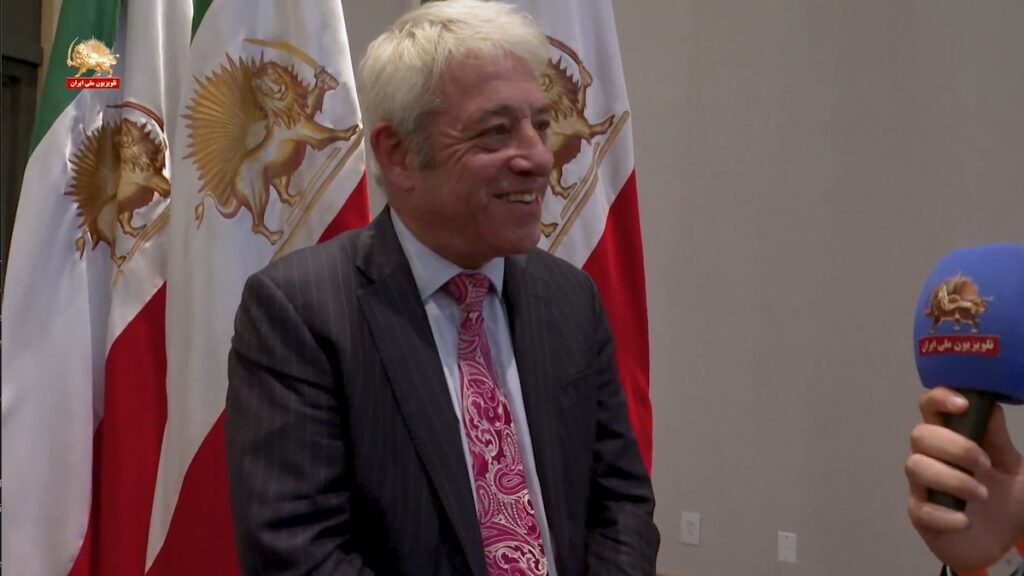
Exclusive Interview — Simay Azadi On the sidelines of the Free Iran Convention 2025: Defining the Roadmap for Iran’s Democratic Transition, held on November 15, 2025, in Washington D.C., Simay Azadi conducted an exclusive interview with the Rt. Hon. John Bercow, former Speaker of the UK House of Commons. In this interview, Mr. Bercow criticized the policy of appeasement towards the Iranian regime, calling for a firm, principled international strategy that treats Tehran as a “pariah failed state.” He also addressed MEK supporters inside Iran directly, praising their bravery and reaffirming his unwavering support for their struggle for democracy and freedom. The Washington convention brought together many Iranian American scholars, professionals, human rights advocates, youth, and community leaders from across the United States—joined virtually by supporters and dignitaries worldwide. The gathering examined Iran’s rapidly shifting internal landscape and the growing momentum for democratic transition, emphasizing the central role of youth, women, and organized Resistance units in shaping Iran’s future. Read the full text of the interview below. Interview Transcript — Simay Azadi INTV Reporter: Mr. Speaker, we’ve heard you in the past criticize the policy of appeasement towards the Iranian regime. What would the right policy be for the international community to follow? John Bercow: “The right policy is for the international community to shame the Iranian government, not to accord it respect, not to consider that it is an equal player on the field, but instead to treat it as a pariah failed state that is an abomination. So it should be subject to the most severe sanctions. It should be shamed in all international fora. And it should be, if necessary, diplomatically bludgeoned into accepting that the future must be decided by the Iranian people and no one else.” INTV Reporter: And if you have one message for MEK supporters in Iran, what would that be? John Bercow: “I say to MEK supporters across Iran, in all 31 provinces, I admire you, I revere you, I think of you constantly, and I will support you always. Every time I have the opportunity, I want to trumpet the message for democracy, freedom, and the rule of law in Iran. And I want you to know, as resistance fighters, that you are true heroes, that you will never be forgotten, and that nothing will ever succeed in stopping you, in destroying your will, or in crushing you. I know you guys well enough to know that the word bravery could have been invented to encapsulate what you do. You are very, very, very special people. You are homegrown. You are on the ground. You are in your communities. You believe in freedom. You will not rest until you achieve it. If I, coming from a very fortunate position, living in a democracy, can use my profile and voice to support you, that is what I want to do. My biggest ambition in relation to the freedom fighters of Iran and the NCRI—so magnificently, heroically, courageously, brilliantly, inspirationally led by Mrs. Maryam Rajavi—is to be able to go to Iran to join in the celebrations when this bestial dictatorship is relegated to the dustbin of history, and the people of Iran can choose who leads them.”

NCRI revealing Iran's nuclear warheads
News

Iranian Opposition Reveals Regime’s Secret Nuclear Warhead Development

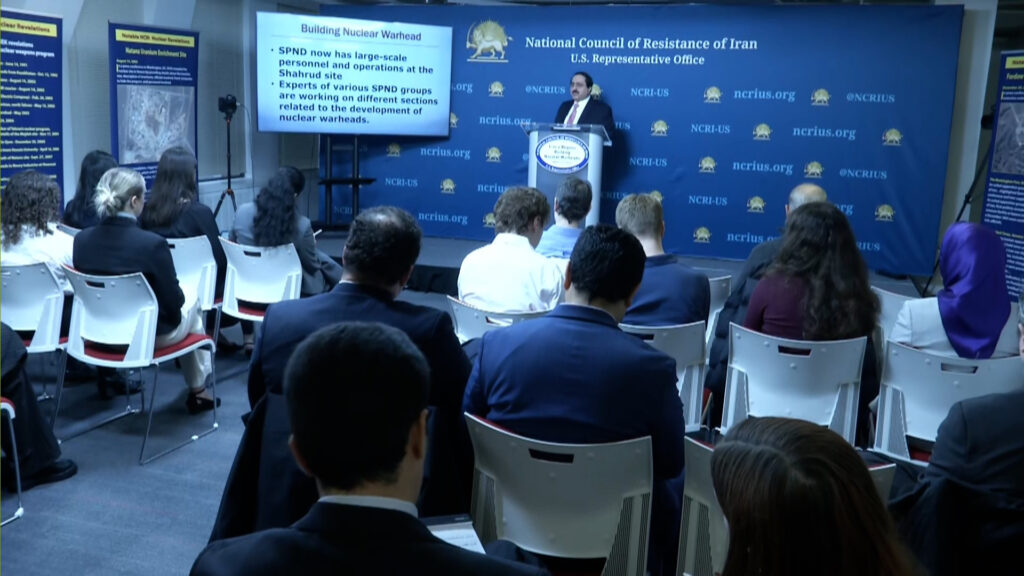
The United States representative office of the National Council of Resistance of Iran (NCRI) held a press conference on Friday, January 31, 2025, exposing new intelligence on the Iranian regime’s covert nuclear weapons program. The revelations, based on reports from the People’s Mojahedin Organization of Iran (PMOI/MEK), underscore Tehran’s continued efforts to develop nuclear warheads in violation of international agreements. The information, compiled by the Defense and Strategic Research Committee of the NCRI, highlights Iran’s clandestine activities at multiple sites, particularly the Shahrud missile site, the Semnan facility, and the Sorkhe Hesar site near Tehran. Shahrud Missile Site: A Hub for Nuclear Warhead Development At the core of the regime’s nuclear efforts is the Shahrud missile site, where the Organization for Advanced Defense Research (SPND) oversees the development of nuclear warheads for solid-fuel missiles exceeding a range of 3,000 kilometers. Alireza Jafarzadeh, Deputy Director of NCRI-US, stated: “SPND now has large-scale personnel and operations at the Shahrud site. SPND has intensified its efforts to construct nuclear warheads.” The site is a militarized zone, guarded by IRGC Aerospace Force personnel. Unauthorized access is strictly prohibited, and local citizens or travelers attempting to enter are arrested. The site features a testing facility and a missile launchpad, camouflaged as part of Iran’s satellite program. Mr. Jafarzadeh revealed that Iran is using the Ghaem-100 missile, a solid-fuel, mobile missile modeled after a North Korean design, which has replaced the Shahab-3 missile as the preferred platform for nuclear warheads. Semnan Facility and Underground Expansion Another key site in the regime’s nuclear weapons program is the Semnan facility, which has undergone significant expansion under the guise of space research. The facility now consists of eight operational sites, up from two in 2005, and includes underground tunnels connecting key locations. SPND’s Geophysics Group, a unit responsible for high-explosive detonation testing critical for nuclear warhead development, is conducting underground tests in the deserts south of Semnan. The NCRI-US deputy director identified key specialists involved in this project: Mohammad Javad Zaker, Hamed Aber, and Farhad Moradiani Khosrowabad. The group also maintains close ties with Iranian scientific institutions to conceal its activities. Sorkhe Hesar: A Growing Nuclear Expansion Mr. Jafarzadeh also revealed that SPND has expanded its activities at the Sorkhe Hesar site near Tehran, which was first exposed in 2020. Since then, operations have increased, further demonstrating the regime’s persistent ambitions. Deception Through the ‘Directorate for Nuclear Treaties’ To mask its activities, the Iranian regime has established a Directorate for Nuclear Treaties, operating under the Supreme National Security Council. This body is tasked with concealing nuclear warhead development and feigning compliance with international agreements, such as the Comprehensive Nuclear Test Ban Treaty (CTBT). Ms. Soona Samsami, NCRI-US Representative, stated: “For over two decades, the regime has used negotiations and the West’s leniency merely as a means to complete its nuclear weapons program. It has exploited talks as a tool to buy time, betray the international community’s trust, and pose a serious threat to global peace and stability.” Ms. Samsami revealed a confidential internal memo, exposing the regime’s strategy to delay action through negotiations with European countries and indirect talks with the U.S. The memo indicates Tehran is attempting to sustain the status quo for six months, after which the sunset clause in UN Security Council Resolution 2231 would render efforts to contain Iran’s nuclear ambitions ineffective. Historical Pattern of Deception Since NCRI first exposed Iran’s secret nuclear sites in Natanz and Arak in 2002, Tehran has followed a consistent pattern of deception. The NCRI representative in the United States  recalled admissions from senior Iranian officials, such as former President Hassan Rouhani, who openly admitted to deceiving the West during nuclear negotiations in 2003-2005. She also cited Ali Akbar Salehi, former head of Iran’s Atomic Energy Organization, who revealed in 2019 how the regime secretly preserved components of the Arak heavy water reactor while falsely claiming compliance with the JCPOA. The Urgent Need for International Action With Iran’s nuclear threat accelerating, Ms. Samsami emphasized that the international community must act decisively. She outlined a three-point action plan: 1️Activate the snapback mechanism to reinstate six UN Security Council resolutions against Iran, reversing the damage done by lifting sanctions. 2️ Shut down all nuclear-related sites, including uranium enrichment facilities. The IAEA must be granted unrestricted access to all declared and undeclared nuclear sites. Anything less would render inspections meaningless. 3️ Impose severe consequences for further violations. Without accountability, diplomatic overtures will only embolden the regime’s deception. “Now is the time to hold the regime accountable for its rogue behavior—be it the execution of over 1,000 people in 2024 and continuing in 2025, its regional warmongering, or its nuclear weapons development,” she concluded. As Iran’s nuclear weapons program accelerates, the NCRI warns that failing to take decisive action will have dire consequences for global security.

News

Conference In UK Parliamenton Iran’s Escalating Executions

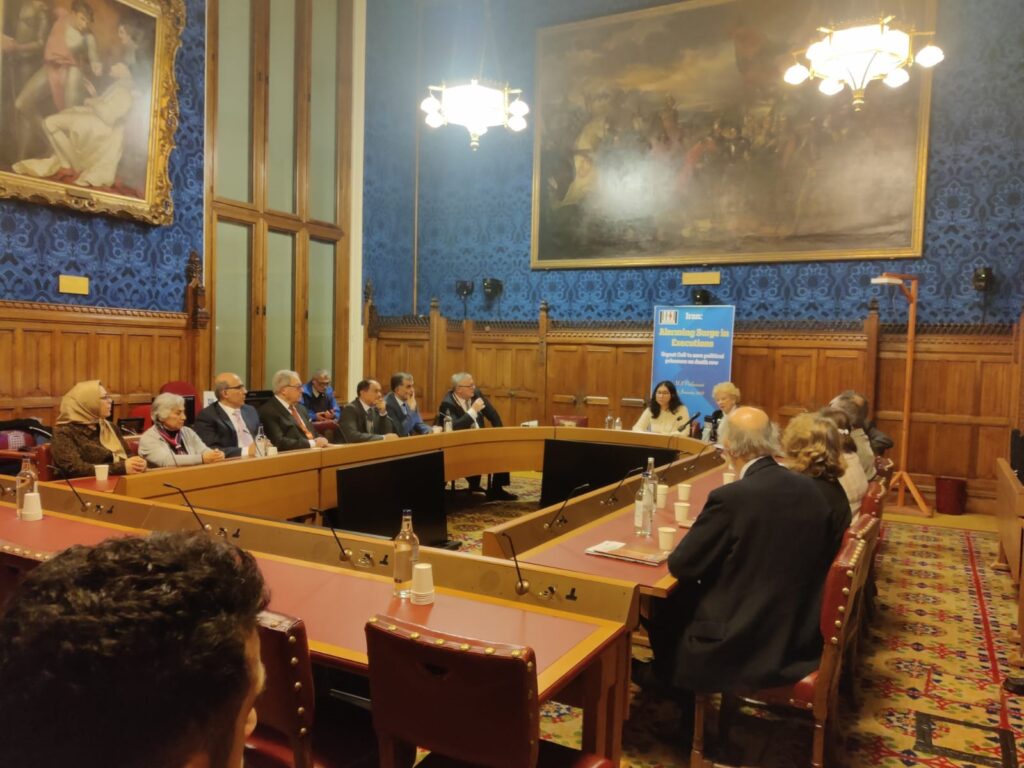
On Tuesday, January 28, 2025, a conference was held at the UK Parliament titled “Iran: The Alarming Surge in Executions”, marking the first anniversary of the No to the Executions Tuesdays campaign. The event, organized by the Association of Former Political Prisoners in the UK, brought together parliamentarians, human rights activists, and survivors of Iran regime’s brutal prison system to discuss the worsening human rights crisis in Iran and the urgent need for action to prevent further executions of political prisoners. A Coordinated International Call to Action The conference took place against the backdrop of an ongoing global campaign protesting the imminent threat of execution of two political prisoners, Mehdi Hasani and Behrouz Ehsani. The recent transfer of these two supporters of Iran’s main opposition group, People’s Mojahedin Organization of Iran (PMOI/MEK) to Ghezel Hesar Prison has raised grave concerns among human rights advocates, prompting widespread calls for international intervention. Narges Rahmanfard, who chaired the session, opened the discussion by underscoring the importance of the event in highlighting Iran’s escalating human rights crisis. She condemned the Iranian regime’s growing use of executions, particularly against political prisoners, and urged the international community and UK lawmakers to take immediate action. She emphasized the ongoing global campaign to stop the execution of Mehdi Hasani and Behrouz Ehsani underlining the importance of standing in solidarity with the Iranian people in their fight for justice. She described the session as an opportunity to amplify the voice of the Iranian Resistance and those facing repression. MPs and Lords who spoke at the session highlighted the Iranian regime’s systematic use of executions as a tool of repression and called for decisive international action. Jim Shannon MP, Chair of the All-Party Parliamentary Group for Freedom of Religion or Belief, emphasized the moral duty of parliamentarians, stating, “Behind the alarming rise in executions, I recognize the role we as MPs must play. I pray for Iran every day, for its people, for its liberty and democracy. Along with many others, I will do my best in this house to bring about changes that matter.” Lord Whitty, former UK government minister and Labour life peer, called for a stronger response from the UK and its allies, saying, “Western governments particularly have a responsibility here. Too many are turning a blind eye. My government must take steps, including the proscription of the IRGC, and work with allies to ensure that the regime receives no economic or political support. The world must not treat Iran as just another government, but as a blot on humanity.” Baroness O’Loan, crossbench member of the House of Lords and former Police Ombudsman for Northern Ireland, strongly condemned the execution process in Iran, declaring, “The judiciary and executions in Iran are not about justice; they are tools of oppression aimed at silencing dissent. The UK must take two overdue actions: proscribing the IRGC as a terrorist organization, as the U.S. and Canada have done, and leading international efforts at the UN to hold the regime accountable.” She also praised the role of Mrs. Maryam Rajavi, the President-elect of the National Council of Resistance of Iran (NCRI). David Pinto-Duschinsky, Conservative MP for Henley and a member of the Foreign Affairs Select Committee, dismissed the idea that Iran’s leadership has shown any sign of moderation, stating, “Despite a so-called moderate president, we are witnessing hundreds of executions and a complete denial of rights to the Iranian people. Their legitimate demands for a voice in their own future are being crushed.” Dawn Butler, Labour MP for Brent Central and former Shadow Secretary of State for Women and Equalities, reflected on the global community’s failure to act decisively, stating, “When we hear about what’s happening in Iran, we think—how can this still be happening in our lifetime? How can we watch this unfold before our eyes and not do more?” William Powell, former Liberal Democrat Member of the Welsh Assembly, spoke about the fragility of the Iranian regime, saying, “Nothing is more powerful than hearing the voices of those who have sacrificed for their principles. The Iranian regime may still wield power and tools of oppression, but it remains deeply fragile. That makes our efforts now more crucial than ever.” Testimonies from former political prisoners provided first-hand accounts of the brutal torture and psychological torment inflicted on detainees. Ahmad Ebrahimi, chairman of the Association of Former Political Prisoners in the UK and a survivor of the 1988 massacre of 30,000 political prisoners, shared his experience of spending a decade in Iran’s prison system. He described the widespread use of torture, forced confessions, and the horrific execution process.  Jamshid Adhami, a former prisoner, described the trauma he witnessed: “I saw how people were tortured, how they executed prisoners. The most painful thing was hearing women and girls being tortured. Today, we are the voice of the voiceless. We must put an end to this brutality.” Reza Rahmanfard emphasized the urgency of international unity, stating, “Let’s not forget the names of Mehdi Hasani and Behrouz Ehsani. Right now, they are enduring difficult days in solitary confinement. In such moments, international solidarity becomes more critical than ever.” Neda Zabeti, representing Iranian youth, condemned Iran’s execution system, saying, “Executions in Iran are not about justice; they are instruments of control and repression. The regime continues to act with impunity. We must stand with the Iranian diaspora, support the campaign for justice for the victims of 1988, and demand the proscription of the IRGC.” She also shared a personal testimony, revealing, “My father’s aunt was thrown into prison while pregnant. She gave birth there and raised her baby behind bars for the first three years of its life. My father’s uncle was tortured to death, and his body was thrown into Evin Prison as a warning to others. The suffering in Iran runs deep, and the regime’s brutality touches nearly every family.” The Unprecedented Rise in Executions Speakers underscored the staggering escalation in executions in Iran, particularly since the appointment of Masoud Pezeshkian as president.

News

No to Executions Tuesdays: A Year of Resistance and Global Solidarity

On January 28, 2025, the “No to Executions Tuesdays” campaign marked its 53rd week, signifying the start of its second year. This unprecedented initiative, spearheaded by prisoners in Iran, has become a national and international symbol of resistance against the regime’s brutal use of the death penalty. Political and non-political prisoners in 34 facilities across the country participate in weekly hunger strikes every Tuesday, protesting the Iranian regime’s alarming execution rates. Origins of the Campaign The campaign began on January 29, 2024, at Qezelhessar Prison, on the seventh day after the executions of political prisoners Mohammad Qobadlou and Farhad Salimi. These executions sparked an outcry from fellow inmates. The initial call for action came from death row inmates, who pleaded with prisoners and the public to join their cause and oppose the wave of executions sweeping the nation. Since then, the campaign has gained momentum, spreading to prisons nationwide and drawing attention from human rights organizations, activists, and global observers. The statement issued by the campaign on its anniversary reflects the gravity of the situation: “We begin the second year of this campaign under conditions where, during the past Gregorian year, more than 1,000 prisoners were executed. The launch of the ‘No to Execution Tuesdays’ campaign last year came as the wave of executions had become so widespread and unprecedented globally that it could not be considered merely a coincidence or a strictly legal-judicial matter.” It is worth noting that Simay Azadi, through its sources from inside Iran has been covering this campaign since it has begun. Escalating Execution Rates Iran’s execution statistics are alarming. In 2024 alone, more than 1,000 prisoners were executed, with over 110 executions taking place in the month of Dey (December 21, 2024 – January 19, 2025). The campaign’s statement highlighted that this surge in executions is not merely a judicial process but a deliberate political strategy to instill fear and suppress dissent. As prisoners stated in their anniversary statement, “The death penalty in Iran has ceased to be a legal punishment and has turned into a political tool for suppressing and exacting revenge on the people of Iran.” International Endorsements The “No to Executions Tuesdays” campaign has received widespread international recognition and support. A Movement that Transcends Prison Walls The campaign’s impact extends beyond Iran’s prison walls. Prisoners’ hunger strikes have inspired solidarity among Iranians and garnered support from human rights defenders worldwide. Media outlets and advocacy groups regularly publish reports on the campaign’s progress, ensuring it remains in the global spotlight. The prisoners participating in the campaign expressed their hopes in their statement: “In the campaign’s 53rd Tuesday, we go on hunger strike, hoping that our voices from behind the thick prison walls join those of the women, men, and youth of Iran, contributing to the defense of human rights and the abolition of gallows.” The Role of Solidarity in Sustaining the Campaign Over the past year, the campaign has demonstrated that collective action and international pressure can challenge authoritarian practices. From the beginning, the movement has been sustained by the bravery of prisoners and the tireless efforts of their supporters, both within and outside Iran. By uniting voices across borders, the “No to Executions Tuesdays” campaign continues to resist Iran’s use of capital punishment and advocate for fundamental human rights

Uncategorized

Simay Azadi’s 29th Telethon: A Global Testament to Freedom and Resistance

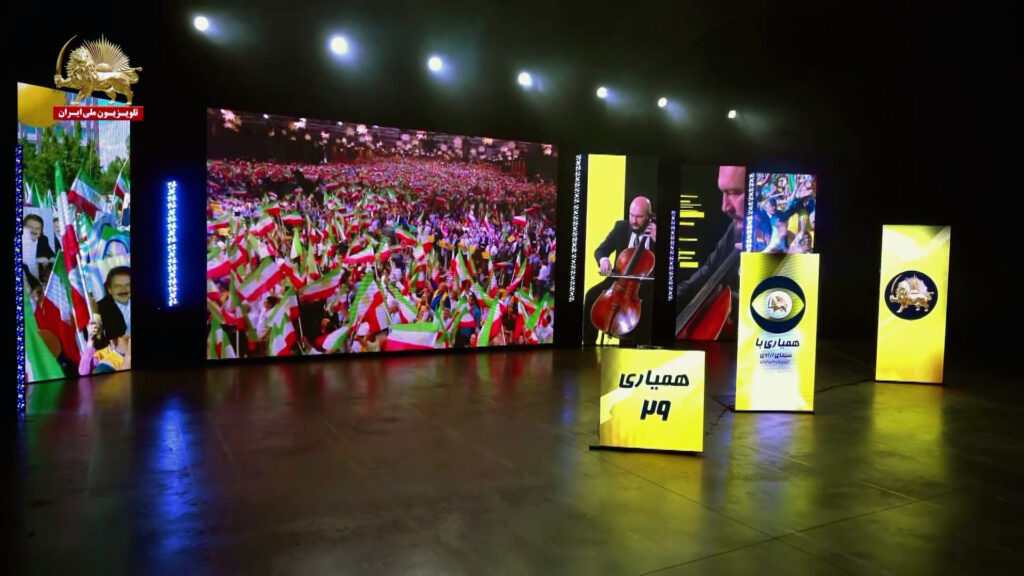
On January 17, 2025, Simay-e Azadi (Iran National TV) launched its 29th telethon, a monumental four-day event that highlighted the unyielding determination of Iranians across the globe in their struggle against an oppressive regime. Supporters from diverse backgrounds rallied to showcase their commitment, sharing heartfelt contributions and messages of solidarity. With over $7 million raised in financial support and pledges, this telethon once again underscored Simay-e Azadi’s pivotal role as the independent voice of freedom and the Iranian opposition. A Phenomenal Start: Overwhelming Support and High Demand From the first moments of the telethon, Simay-e Azadi’s phone lines were flooded with calls from supporters eager to contribute. Volunteers worked tirelessly to manage the unprecedented volume, yet many faced long wait times to share their stories and pledges. This overwhelming demand highlighted the network’s extensive reach and its critical role as an independent platform amplifying the voice of the Iranian people. Despite widespread economic hardships, participants made extraordinary sacrifices to ensure the survival of this vital platform. Dr. Sina Dashti from Sweden captured the essence of Simay Azadi’s mission, stating, “The greatest responsibility of Simay Azadi is in its affirmative role: showing people where their sun shines and which system, movement, and organization can serve as the historical alternative to this dark, anti-human regime.” Voices of Unity from Across the Globe Supporters from various countries shared their emotional messages, demonstrating the global solidarity that Simay Azadi inspires. Ramesh Sepehrad, a university lecturer in the U.S., explained the importance of financial support: “Religious fascism has reached the edge of the cliff, awaiting a strong push. Our role as professors and specialists is to strengthen and preserve the sacred independence of this movement.” Her words resonated deeply with viewers, emphasizing the critical juncture Iran faces today. Siamak Tahouni from the Netherlands, contributing €25,000, declared: “I swear to God and the memory of the martyrs of the Resistance that this contribution to Simay Azadi represents our own needs. It’s about being beside you during these dark times of the regime.” Similarly, Jahanshah and Shirin from the UK pledged £31,140, describing the telethon as a reflection of the “social base of our crimson Resistance.” From Sweden, Sharif reiterated his commitment, pledging to “keep Simay Azadi as the bright beacon of Iranian homes during their darkest hours.” Soheila Dashti, also from Sweden, likened the telethon’s impact to the architectural splendor of Iran’s cultural heritage, from the mosques of Isfahan to the grandeur of Persepolis. Prof. Hossein Saeedian, representing collective support from the U.S., pledged €30,000, calling Simay Azadi “a bright star, a genuine, independent, and popular media outlet that reflects the true voice of the Iranian people.” Sacrifices Amid Hardship Inside Iran, the regime’s oppressive grip continues to create immense economic and social challenges, yet many contributors defied these hardships to support Simay Azadi. Hassan from Tabriz, despite financial struggles, donated 50 million rials, stating: “When I see supporters of the Resistance facing execution and political prisoners standing firm with their lives, I cannot stay silent. This is a national and humanitarian duty.” Sepideh from Mashhad, a mother of two with an unemployed husband, contributed 80 million rials. As a member of the Resistance Units, she declared: “Simay Azadi is the light of our home. No matter how hard the regime tries to maintain power, it has been exposed and called out by the Iranian people.” Her message echoed the sentiments of countless others who view Simay Azadi as a lifeline in their fight for justice. Samira from Iran’s Kurdistan demonstrated immense personal sacrifice by donating her monthly medication expenses of 20 million rials. Moved by her story, Amir Seifi from Ireland responded with compassion, pledging 8,000 GBP on her behalf and urging her not to jeopardize her health. Roya, a kidney dialysis patient from Germany working as a house painter, donated €7,000, stating, “I know the value of health and want to support this vital channel on your behalf.” Sahar Sanaie showed remarkable generosity by pledging €24,580 in collective support, including 12,000 euros from herself. Her message was clear: “We are the ones who need to fund Simay Azadi.” Similarly, Aras from Norway contributed 28,000 NOK, expressing pride in the Resistance Units and their fight for freedom. Stories of Inspiration and Determination The telethon was marked by powerful stories of resilience and hope. Fakhri Lakzian from the Netherlands, after waiting two days to contribute, announced a collective support of €8,400 in memory of her daughter, Roya Daroodian, a MEK member who passed away in 2013. From Tehran, Setareh contributed 10 million tomans, expressing her hope for a day when Iranians can celebrate freedom in their homeland. Even from Evin Prison, female political prisoners sent a message of defiance and encouragement: “Though we can’t join the telethon or donate, we urge our compatriots to support this national and independent TV. The people’s uprising is underway, and it will triumph.” Rebecca Malihi emphasized the resilience of the Iranian Resistance, stating: “What sets the Iranian Resistance apart is its readiness to pay the ultimate price. Simay Azadi stands out among TVs for the same reason.” Meanwhile, Alayla Johnson, whose mother was a political prisoner, contributed $5,000, remarking: “Simay Azadi keeps the hope of freedom alive for Iranians.” Mother Fatemeh from Tehran encapsulated the spirit of the telethon with her heartfelt letter: “The tyrants’ night has come to an end; the bright dawn is on its way. At this pivotal moment in history, we must rise in support of this resistance—a movement built on the sacrifices of over 120,000 martyrs.” Her generous contribution of 5.1 billion rials reflected her unwavering belief in the cause. International Endorsements During Telethon The telethon also received strong endorsements from international figures who recognized Simay Azadi’s critical role. The Rt. Hon. David Jones praised the event’s timing, stating, “Simay Azadi amplifies the voice of the Iranian people. The regime is in a very bad situation.” Former Welsh MP William Powell commended Simay Azadi’s dedication to exposing the regime’s actions, while Craydon’s councilor Robert

About Simay Azadi, News, Uncategorized

Third Day of Simay Azadi 29th Telethon: Strength in Unity

On January 19, 2025, the third day of Simay-e Azadi’s 29th telethon concluded with a powerful display of global solidarity and unwavering commitment to freedom. The event showcased the crucial role of Simay-e Azadi in amplifying the voices of Iranians resisting tyranny and provided a platform for heartfelt contributions and endorsements from across the globe. Key Contributions and Sacrifices Fakhri Lakzian from the Netherlands reflected on her determination, saying, “After two days on the line to support Simay Azadi, we proudly offer €8,400 in collective support.” Fakhri also honored her daughter, a MEK member, who passed away in 2013. From Tehran, Setareh shared her hopes for the future: “I donate 10 million tomans to Simay Azadi. I hope for the day we celebrate a Free Iran in our homeland. Simay Azadi has been the voice of Resistance Units and Iranian women. Thank you.” In an emotional statement, Roya from Germany, a kidney dialysis patient who works as a house painter, urged Samira from Kurdistan not to give up her medication money. She remarked, “I donate €7,000 to Simay Azadi because I know the value of health and want to support this vital channel on your behalf.” Amir Seifi from Ireland addressed  Samira’s sacrifice with compassion: “I heard my sister Samira’s sacrifice of her medication money for Simay Azadi. I tell her she shouldn’t do it. I help Simay Azadi on her behalf. Our collective support is 8,000 GBP.” Aras from Norway expressed pride in the Resistance Units, stating, “My family and I donate 28,000 NOK to Simay Azadi, hoping for a free Iran.” Sahar Sanaie demonstrated remarkable generosity, announcing, “We are the ones who need to fund Simay Azadi. I announce a collective support of 24,580 euros and pledge 12,000 euros myself.” Voices of Encouragement From inside Evin Prison, female political prisoners sent a powerful message: “Though we can’t join the telethon or donate, we urge our compatriots to support this national and independent TV. The people’s uprising is underway, and it will triumph.” Rebecca Malihi emphasized the resilience of the Iranian Resistance, stating, “What sets the Iranian Resistance apart is its readiness to pay the ultimate price. Simay Azadi stands out among TVs for the same reason.” Alayla Johnson, whose mother was a political prisoner, shared her perspective: “Simay Azadi keeps the hope of freedom alive for Iranians. To young Iranians, you show that hope can endure even in the darkest times.” Alayla also contributed $5,000. Speaking from the U.S., Yalda Bolurchi highlighted her responsibility: “My liberty in the U.S. comes with the responsibility to raise awareness. To young Iranians, I pledge to be your advocate. I donate $1,000 with my sister.” After learning more during the telethon, Bahman Ghourbani shared his realization: “I must double my efforts to support this movement. I donate 5,000 NOK, plus 11,000 NOK from my friends. Iran’s regime misuses Islam.” Iman Sharif underscored the urgency of the movement: “The Iranian people will not let another dictator come to power. We will not let the Shah’s offspring seize control. We shall free Iran soon and celebrate a Free Iran.” Negar Safa from the Netherlands celebrated the telethon’s achievements: “Congratulations to Simay Azadi on its 29th Telethon. It connects us to Iran’s youth, voices victims, and shows the path to the future. To keep INTV independent, I pledge €1,950 and await the day it broadcasts the regime’s downfall.” Notable Guest Appearances the Telethon of Simay Azadi Flore Sadoudi, wife of the late legendary singer Emad Ram, expressed her gratitude, saying, “We deeply thank Simay Azadi for its efforts. It highlights the vital work of the Iranian Resistance and reflects the plight of the Iranian people with dignity.” Ali Moghadam, a veteran cameraman and producer, reflected on the history of Simay Azadi and its formation, emphasizing its role in providing unfiltered news to the Iranian people. Hossein Abedini, a prominent NCRI member, recounted his survival of an Iranian regime terrorist attack: “While helping Iranian refugees in Turkey, I was targeted. One bullet penetrated my liver, and another hit just inches from my heart. This regime’s terrorism has not stopped, as evidenced by the recent attempt on Vidal Quadras’ life.” In a video message to Simay Azadi, Professor Ivan Sasha Sheehan offered his strong support, declaring, “Simay Azadi amplifies Iranian voices that champion democracy and human rights. It serves as an irreplaceable source of uncensored news and information on anti-regime protests. This channel is vital in challenging prevailing assumptions and advocating for principled strategies that align with democracy and human rights.” International Endorsements The Rt. Hon. David Jones acknowledged the importance of the telethon, stating, “Holding this telethon is very timely as Simay Azadi amplifies the voice of the Iranian people. The regime is in a very bad situation.” William Powell, a former Welsh MP, praised Simay Azadi’s dedication: “This independent TV station is crucial in exposing the regime’s actions and supporting the people’s struggle for freedom.” Robert Ward, a councilor from Croydon, added, “As an independent TV, Simay Azadi relies on the support of people to continue its efforts. I want to tell the Iranian people to continue their struggle and know that change can happen quickly.” Conclusion The third day of Simay Azadi’s 29th telethon concluded with an overwhelming display of solidarity, financial support, and powerful endorsements. Contributors from all walks of life, inside and outside Iran, reaffirmed their commitment to freedom, democracy, and the Iranian Resistance. Simay Azadi continues to inspire hope and courage, proving itself as the unyielding voice of the Iranian people and a beacon of truth in the fight against tyranny. Together, the dream of a free Iran draws closer to reality.

About Simay Azadi, News

Second Day of Simay Azadi’s 29th Telethon: A Global Call for a Free Iran

January 18, 2025 – The second day of Simay-e Azadi’s 29th telethon continued to showcase the unity and unwavering determination of Iranians and their supporters worldwide. The telethon highlighted the vital role of Simay-e Azadi as an independent voice for the Iranian Resistance, with messages of support and financial contributions flooding in from across the globe. Amplified Support and Participation The telethon witnessed an extraordinary wave of calls and donations, reflecting the profound dedication of supporters to the cause of freedom and democracy in Iran. Generosity and heartfelt messages marked the event, underscoring the solidarity of the Iranian diaspora and international allies. Maliheh Hosseini from France announced her support, contributing €1,560 and 10 million rials from a friend inside Iran. She expressed her gratitude, saying that Simay Azadi is truly the voice of the Iranian people. Razieh Ghodrati from Switzerland, a former political prisoner who lost her brother to the regime’s atrocities, shared her joy over recent developments in Iran, specifically regarding two criminal judges. She and her family contributed 7,760 Swiss francs in solidarity. Jamshid Adhami from England emphasized the importance of supporting Simay Azadi, stating that people give everything they have to help achieve a Free Iran. He pledged collective support amounting to £10,990. Hanif Mahootchian reflected on the significance of Simay Azadi’s tireless efforts, contrasting them with pseudo-alternatives that fail to act. He humbly donated €1,300 to the telethon. Arash Marandi from Sweden offered 3,500 Swedish krona, keeping his message brief but impactful, while Ryan Salami from the United States contributed $1,000, urging others not to remain indifferent in the face of the regime’s crimes. Azar Karimi from Italy expressed her solidarity, mentioning a touching story of Zahra from Tehran, who donated her savings meant for medication. To honor Zahra, Azar and her brother pledged €1,000 to support Simay Azadi. Omid Ebrahimi from the UK highlighted the channel’s role in portraying the struggles of the Iranian people, calling it the “light of our houses.” Shahin from Fars Province, despite limited resources, pledged to provide shelter to Resistance Units fighting against the regime. Elaheh, a young Iranian student in Sweden, shared that she had learned the value of sacrifice from the Iranian opposition. She donated €100 and vowed to continue raising awareness for Simay Azadi. Hasti Hesami from the United States shared her deep connection with the channel, recalling how she sold her paintings and offered birthday gifts in past years to support Simay Azadi. This year, she donated $500. International Endorsements Prominent international figures also voiced their support for Simay-e Azadi, acknowledging its critical role in the fight for freedom in Iran. John Perry, a former Irish government minister, stated: “We are here to say that it is indeed important to support the Iranian people. Simay Azadi broadcasts the Iranian people’s struggle. I compliment this independent TV that operates in the benefit of people.” He added: “Simay Azadi has a huge role in helping the Iranian people. The regime in Iran is at its weakest point following the fall of Syria’s dictator.” Mark Williams, a former Member of the UK Parliament, said: “I want to congratulate Simay Azadi for holding this telethon. Iran is at a critical juncture; the regime faces many crises but mounts repression of people. The regime exports terrorism across the world.” Steve McCabe, a member of the UK House of Lords, stated: “Simay Azadi continues to show the resilience of the Iranian people. It is a platform for truth and a voice for those who demand justice and freedom.” Simay-e Azadi: A Beacon of Independence A recurring theme throughout the telethon was Simay-e Azadi’s financial independence, sustained entirely by public contributions. This independence is essential for maintaining the channel’s credibility as a reliable and unfiltered source of news. As John Perry remarked, Simay Azadi operates solely for the benefit of the people. A Shared Vision for Freedom As the second day of the telethon concluded, the overwhelming participation reaffirmed the collective commitment to a free and democratic Iran. The sacrifices and solidarity of contributors exemplify the unwavering resolve to overcome tyranny and build a brighter future. Simay-e Azadi’s 29th telethon continues to inspire and energize the global movement for freedom, proving that united efforts can achieve the dream of a liberated Iran.

Iran NTV
About Simay Azadi, News

First Day of Simay Azadi 29th Telethon: Shared Dream of Free Iran

First Day of Simay Azadi 29th Telethon: Shared Dream of Free Iran On January 17, 2025, Simay-e Azadi (Iran NTV) commenced its 29th telethon—a three-day event showcasing the unyielding determination of Iranians worldwide in their fight against the oppressive regime. Over several days, supporters from all walks of life shared heartfelt contributions and messages of solidarity, underscoring the pivotal role Simay-e Azadi plays as the voice of freedom and the Iranian Resistance. High Demand Reflects Widespread Support From the outset of the telethon, an overwhelming number of calls flooded Simay-e Azadi’s phone lines. Volunteers worked tirelessly to handle the sheer volume, yet many supporters faced long wait times to share their contributions and messages. This unprecedented demand highlighted the channel’s vast reach and its critical role as the independent voice of the Iranian people. Despite economic hardships, participants made extraordinary sacrifices to ensure the survival of this vital platform. Voices of Unity from Across the Globe Saeed Maghsoudi from Norway emphasized the importance of Simay-e Azadi:”Simay Azadi is the voice of freedom, the home of the people of Iran striving to break free from the tyranny of both the mullahs and the monarchy. It is a reflection of the nationwide resistance and a portrayal of the struggles of the resistance units, whose voices we just heard. I send my greetings to their fight and determination.”Behrouz announced a collective contribution totaling 260,500 Norwegian krones from himself and fellow supporters. From Germany, Afsaneh likened the telethon to the arrival of spring:”With our humble contributions, we strive to help others learn the truth about what is happening in Iran. Simay Azadi is the only source that keeps us informed about the harsh realities in our country.”She announced a collective donation of €27,600, including €18,000 from her son, Mahmoud. Sacrifices Amid Hardship From inside Iran, Sepideh from Mashhad shared her determination despite personal challenges:”I have two children, and my husband is unemployed, but since Simay Azadi is the light of our home, I want to contribute 80 million rials. As a member of the Resistance Units, I want to make the voice of the Iranian people heard around the world during this difficult situation.”Her message to the regime was resolute:”No matter how hard you try to maintain power, it is no longer effective. You have been exposed and called out by the Iranian people.” Similarly, Samira from Iran’s Kurdistan donated her monthly medication expenses of 2 million rials:”You are my heart, just as my beloved Iran is my heart. With God’s help and the leadership of my dear and honorable sister, Mrs. Maryam Rajavi, we will reclaim our country from these godless mullahs.” Messages of Hope and Independence Mother Fatemeh from Tehran captured the spirit of the telethon in her heartfelt letter:”The tyrants’ night has come to an end; the bright dawn is on its way. At this pivotal moment in history, we must rise in support of this resistance—a movement built on the sacrifices of over 120,000 martyrs.”She announced a generous contribution of 510 million tomans, expressing hope for a brighter future:”May this be the last telethon held in exile. Inspired by the powerful words ‘We can and we must,’ I found the strength to achieve the impossible.” Volunteer reporters also emphasized Simay-e Azadi’s independence and critical role in amplifying the voice of the Iranian Resistance. Assad, a Simay Azadi reporter from the United States, announced a $30,000 collective contribution, and while addressing the Iranian regime’s supreme leader, Ali Khamenei, said:”See this amount of money, Khamenei, you murderous idiot! We earn this money and wholeheartedly support Simay Azadi.” Experts Pledge Support for a Free Iran A distinguished group of experts, university professors, and renowned figures joined the telethon, offering financial contributions and pledging their expertise to rebuilding a free Iran. Ehsan Ayatollahi, a mathematician, highlighted the importance of empowerment through knowledge:”I hope that we can soon see a free Iran and be able to use our expertise to rebuild Iran and make it prosperous. I wish that all Iranian youth could one day have the same facilities that I had.” Dr. Fouladvand underscored the significance of financial independence: “Financial independence is the most vital and valuable thing to protect.” Neda Amani, a political science expert, contributed 10,000 Swiss francs along with her second job’s salary:”This symbolic support is in memory of the martyrs of Ashraf and Camp Liberty in Iraq.” A Global Display of Solidarity This year’s telethon showcased contributions from individuals in over 40 countries, reflecting the global reach of the Iranian Resistance and the deep connections shared by Iranians everywhere. The messages of solidarity, sacrifice, and unwavering hope echoed a united belief: freedom for Iran is within reach. As the first day of Simay Azadi’s 29th telethon concluded, the overwhelming participation demonstrated that the fight for democracy and justice is not just a movement but a shared commitment, rooted in the sacrifices of countless brave souls.

Iran_Rajavi_Pompeo_Simay Azadi
News

Mike Pompeo Praises Iran’s Resistance: Regime’s Collapse is Within Reach

An event titled “Iran: Organized Resistance, Key to Overthrow” was held today in France, featuring former U.S. Secretary of State Mike Pompeo and Mrs. Maryam Rajavi, the President-elect of the National Council of Resistance of Iran (NCRI). The conference underscored the Iranian regime’s increasing vulnerabilities and emphasized the role of organized resistance in bringing about democratic change in Iran. Opening Remarks by Mrs. Maryam Rajavi Mrs. Maryam Rajavi opened the event by welcoming attendees, including members of the People’s Mojahedin Organization of Iran (PMOI/MEK) at Ashraf 3. She highlighted the regime’s strategic defeats in 2024, particularly in Syria and Lebanon, as clear reflections of its instability and weakness. “The regime’s strategic defeats in Syria and Lebanon are a reflection of its weakness at home. Like its predecessor, the mullahs’ dictatorship must be and will be overthrown,” she declared. Rajavi outlined the growing resistance within Iran, noting increased activities by Resistance Units, the regime’s economic collapse, and widespread defiance against its sham elections. “2024 was a year full of serious defeats for the regime,” she said, citing boycotts of its elections and defections within its loyal forces. She stressed that the fall of the Assad dictatorship in Syria marked a significant blow to Khamenei’s regional strategy, stating, “If the regime were not weak and unstable inside Iran, it could have preserved its most important ally.” Rajavi concluded her remarks by calling on the international community to recognize the legitimacy of the Iranian people’s struggle. She stated, “Recognizing the Iranian Resistance and Resistance Units’ struggle is a necessary part of a firm policy against the mullahs’ regime. This is not one choice among many; it is the only practical and viable solution to confront the religious fascism ruling Iran.” Pompeo’s Remarks: A Focus on Resistance and Regime Weakness Following Mrs. Rajavi’s speech, Mike Pompeo took the stage, offering a detailed analysis of the regime’s fragility and the critical role of the Resistance. He praised the NCRI’s unwavering commitment, stating, “You are all so committed to seeing a free Iran.” Pompeo expressed optimism, describing the current moment as one of great hope for Iran’s future. “It is a time for optimism for the people of Iran,” he affirmed. Pompeo highlighted the regime’s escalating crises, calling the past year “the most devastating” for the Revolutionary Guards (IRGC), Ministry of Intelligence and Security (MOIS), and the Ayatollah (Khamenei). He cited the regime’s economic failures, including the rial’s 30% devaluation and its inability to provide basic necessities like fuel and heat. “What is one of the most energy-rich nations on the planet cannot provide energy for its own people,” he remarked, emphasizing that the regime’s priorities lie in war and repression rather than serving its citizens. The MEK and the Regime’s Demonization Campaigns Pompeo devoted significant attention to the MEK’s pivotal role in resisting the regime, acknowledging its sacrifices and resilience. He condemned the regime’s propaganda campaigns aimed at discrediting the MEK, stating, “Every week in Friday prayer ceremonies across Iran, the regime chants slogans against the Resistance, and its propaganda machine calls them a terror cult. I wouldn’t be here if that’s what it was.” He called the MEK members “freedom fighters of the highest order” and highlighted their organizational capabilities and decades-long struggle. Pompeo also pointed to the MEK’s crucial role in exposing the regime’s nuclear and missile programs, stating, “The world owes great debt for all of this hard work.” Path Forward: A Call for Recognition and Action Pompeo echoed Mrs. Rajavi’s call for international recognition of the NCRI and MEK, describing them as the best alternatives to the ruling clerics. He stressed the importance of the Resistance Units in achieving democratic change, stating, “Iran will be free, but only by those who have sacrificed for decades, who have paid the highest price.” Pompeo expressed confidence in the eventual downfall of the regime, emphasizing that its collapse is imminent due to its inherent corruption and failures. “The regime’s end is within reach,” he asserted, urging the Resistance to stay focused on their efforts against the IRGC. Conclusion The event served as a powerful platform to highlight the Iranian regime’s growing instability and the indispensable role of the NCRI and MEK in paving the way for a free Iran. Both Mrs. Rajavi and Mike Pompeo stressed the urgency of recognizing the Iranian people’s struggle and supporting the organized resistance. The conference concluded with a shared vision for a democratic, secular, and non-nuclear Iran, reaffirming the international community’s moral and strategic responsibility to stand with the Iranian people.

Scroll to Top