Simay Azadi English

Author name: admin1

Iran-Letter-Political Prisoners-Condemn-Death-Sentence
Uncategorized

Political Prisoners Condemn Death Sentences in Evin Prison

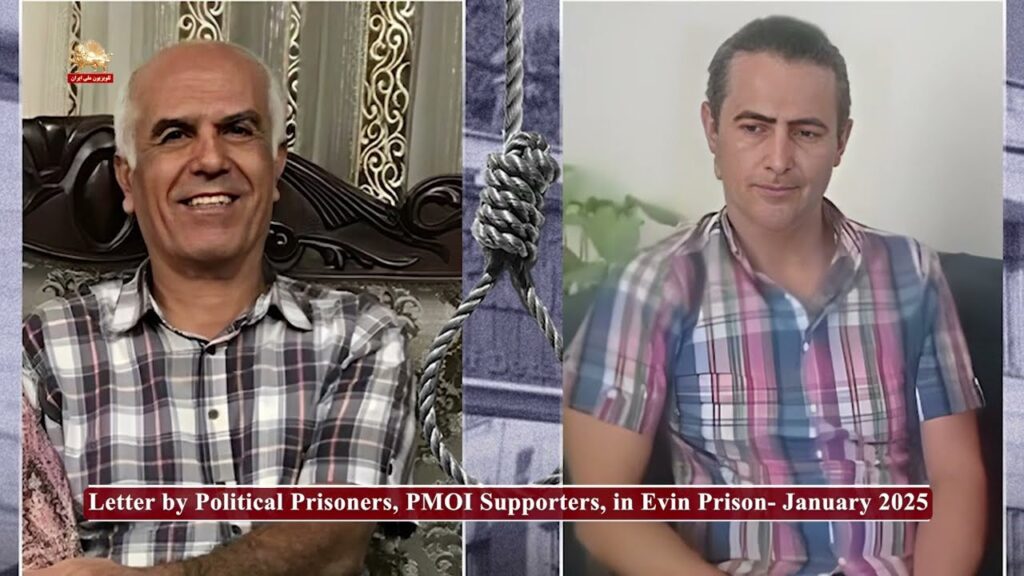
On Wednesday, January 8, a group of political prisoners, supporters of the People’s Mojahedin Organization of Iran (PMOI/MEK), in the notorious Evin Prison, issued a statement condemning the confirmation of death sentences for Behrouz Ehsani and Mehdi Hassani, both PMOI supporters and part of the “No to Execution Tuesdays” campaign. Behrouz Ehsani and Mehdi Hassani were arrested in November 2022 during a nationwide crackdown following the eruption of anti-regime protests in Iran. They were accused of “spreading corruption on Earth” and “waging war against God” (moharebeh), charges commonly used by the Iranian judiciary to suppress dissent. These charges were based on their alleged involvement in organizing Resistance Units and participating in activities opposing the regime’s policies. Both individuals were held in solitary confinement for months, denied access to proper legal representation, and subjected to severe physical and psychological torture to extract forced confessions. Their trials were carried out behind closed doors with no adherence to international standards of justice. Despite the lack of evidence and the arbitrary nature of their charges, their death sentences were upheld by Iran’s Supreme Court, signaling the regime’s intent to suppress dissent through fear and executions. The statement issued by their fellow political prisoners condemned these sentences as baseless and politically motivated. It declared that such actions by the regime would only strengthen the resolve of Resistance Units and inspire greater unity among those fighting for freedom and justice in Iran. The statement reads: “What false hopes does this regime’s judiciary cling to by confirming the death sentences of our brothers Behrouz Ehsani and Mehdi Hassani?” The issuance of such sentences, or the execution of any prisoner, will only fuel the flames of the “No to Execution” campaign and strengthen the call for uprising and regime change. This fight will not end. We, the PMOI supporters imprisoned here, stand alongside the courageous men, women, and youth of our nation. We will continue until the victory of Iran’s democratic revolution and the establishment of a free republic. We are ready to give our lives for the liberation of our people. Long live freedom!Down with this execution-driven regime! PMOI SupportersEvin Prison – Ward 4, Ward 8, and Women’s Ward

Who Was Takhti
News

Who Was Gholamreza Takhti? Iran’s National Hero

On January 7, hundreds of Iranians gathered at Ibn Babawayh Cemetery in Tehran to honor the memory of Gholamreza Takhti, Iran’s beloved wrestling champion, who was murdered by the Shah’s regime in 1968. But who was Takhti, and why does his legacy continue to inspire so many? 🌹 "On January 6, Iranians gathered at Takhti’s grave to honor his memory on the anniversary of his death by the Shah's regime. The Champion of Champions remains a symbol of justice, humility, and pride for a nation. Watch this heartfelt tribute. #Takhti #No2ShahNo2Mullahs… pic.twitter.com/UTLL4omXK5 — SIMAY AZADI TV (@en_simayazadi) January 8, 2025 Early Life:Gholamreza Takhti was born on August 27, 1930, into a working-class family in southern Tehran. Experiencing poverty from a young age, he became his family’s breadwinner after his father’s passing, forcing him to abandon his education. In 1948, Takhti joined the military and later began working for the railway department. He also worked for the oil company in Masjed Soleiman, southern Iran. Takhti’s Wrestling Career:Takhti’s wrestling journey began in his teenage years. Despite facing numerous hardships, his discipline and hard work quickly propelled him to international fame, making him one of the world’s most celebrated wrestling champions. Here are his key achievements: A People’s Champion:Takhti’s greatest achievement, however, was winning the hearts of the Iranian people. Known for his humility, sportsmanship, and dedication to the underprivileged, he earned the nickname “Champion of Champions.” He once said:“Living among the people and for the people taught me lessons I believe I could never have learned in the most prestigious universities. Life taught me to love people and to help them as much as I can. It doesn’t matter how or through what means this help is offered. Each person according to their abilities.” After standing on the first-place podium alongside wrestlers from the USA and the Soviet Union, Takhti sent this heartfelt message to the Iranian people:“At this moment, as I return to you with a joyful heart, I send you my heartfelt greetings. I hope my brothers and sisters never cease their efforts and always remain hopeful that they will ultimately triumph and overcome any obstacles in their way… It is good for all of us to join hands and strive for greater victories and achievements.” Loyalty to Mossadegh and the People:Takhti’s love for the people led him to Dr. Mohammad Mossadegh, the leader of Iran’s National Movement. When Mossadegh passed away, Takhti defied government restrictions and traveled to Ahmadabad to pay his respects. Confronted by military officers at the site, he boldly declared:“Arrest me if you must.” Despite government forces surrounding the area, Takhti made it to Mossadegh’s burial site, a move that terrified the regime. Officials feared his presence would attract crowds, so they quickly removed him from the ceremony. When asked to meet the Shah, Takhti famously replied:“I cannot and will not speak with someone who has destroyed our nation’s interests.” Resistance and Persecution:In the last four years of his life, Takhti faced increasing pressure from the Shah’s regime. He was frequently summoned by SAVAK, the Shah’s secret police, and barred from entering sports arenas. His efforts to assist earthquake victims in Boein Zahra, his association with the National Front, and his unwavering loyalty to Mossadegh’s ideals made him a symbol of resistance. Takhti’s Death:On the evening of January 7, 1968, headlines in Tehran’s newspapers delivered shocking news:“The body of Gholamreza Takhti found at the Atlantic Hotel in Tehran.” The public was in disbelief:“Is it true?”“How could this happen?”“I can’t believe it.” While officials claimed Takhti committed suicide, few believed this narrative. Most Iranians pointed to SAVAK as the culprit, convinced the regime orchestrated his death to silence a national hero who refused to bow to tyranny. Takhti’s Legacy:Takhti remains a symbol of humility, resistance, and devotion to the Iranian people. His legacy continues to inspire generations, reminding us of the power of integrity and the enduring fight for justice.

Simay Azadi No to Executions
News, Special Production

Iran’s ‘No to Execution Tuesdays’: 50th Week Hunger Strikes in 30 Prisons

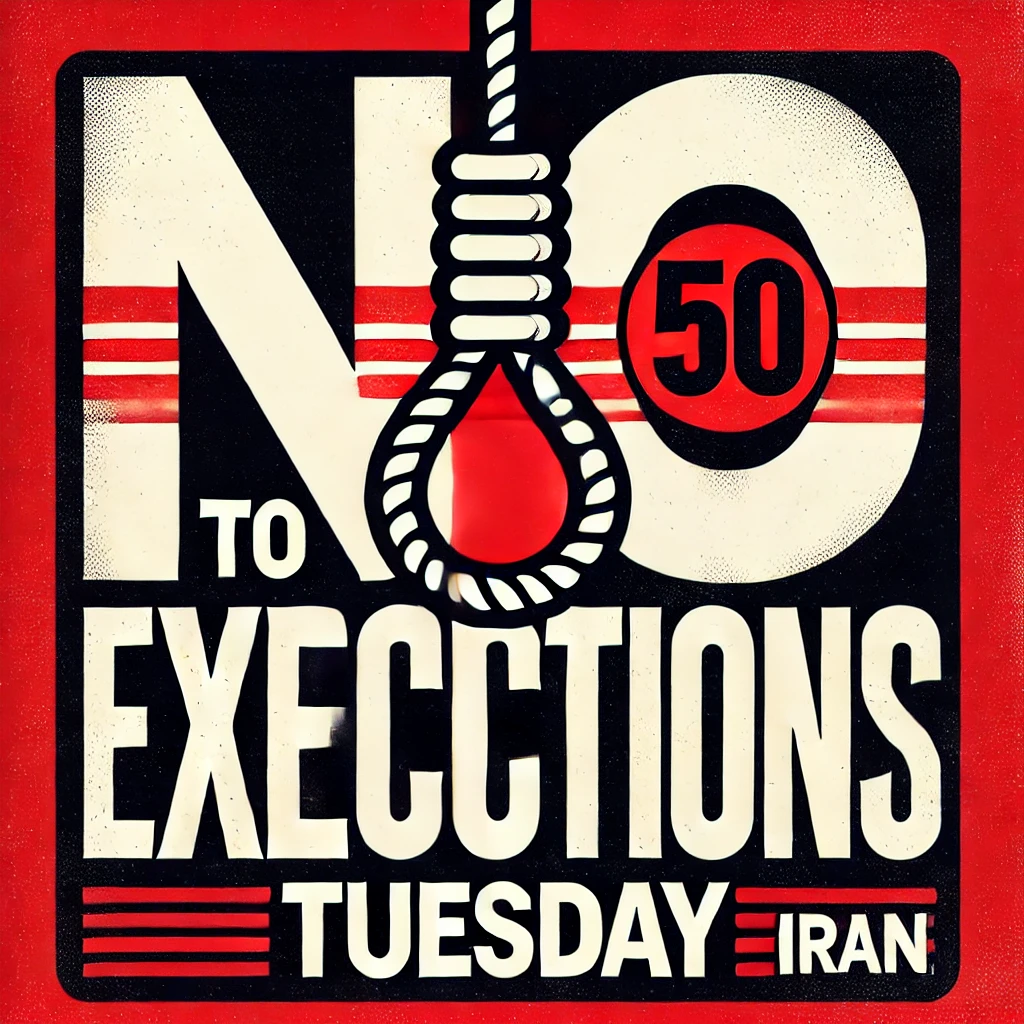
On Tuesday, January 7, the “No to Execution Tuesdays” campaign continued across Iran in 30 prisons. Marking the first such campaign in 2025, participants in the “No to Execution Tuesdays” condemned the increasing trend of executions by Iran’s genocidal regime. “On January 1 alone, coinciding with the New Year, this regime hanged 21 citizens of this land. Since the beginning of Dey (December 21, 2024), more than 80 individuals have been executed. The execution of 1,000 individuals in the Gregorian year 2024 is another record of this government’s crimes,” they underlined. Below is their full statement Traditionally, throughout the world, even during wars and conflicts between nations or states, ceasefires were observed on holidays and special occasions, and rulers would release captives and prisoners. However, now in Iran under religious tyrants, it seems we are in a parallel universe where all traditions and values have been trampled upon, and anti-values have become valued. On January 1 alone, coinciding with the New Year, this regime hanged 21 citizens of this land. Since the beginning of Dey (December 21, 2024), more than 80 individuals have been executed. The execution of 1,000 individuals in the Gregorian year 2024 is another record of this government’s crimes. Meanwhile, many other governments around the world are halting and abolishing executions; so far, 128 countries have abolished this medieval sentence. In this context, just a few days ago, Zimbabwe completely abolished the death penalty as a New Year’s gift. Yet, in occupied Iran, we witness a daily increase in executions, repression, and torture. The freedom-loving and resistant people of Iran have proven that they will never be intimidated in defending their values and freedoms. Even at the cost of their lives, they continue to defend their human rights and legitimate demands. Now that the government is executing and repressing to instill fear and prevent popular uprisings, the “No to Execution Tuesdays” campaign is expanding. Recently, several prisoners at Sepidar Prison in Ahvaz and Ramhormoz announced their participation in this campaign in protest against death sentences and will be on hunger strike. Members of the “No to Execution Tuesdays” campaign are on hunger strike today (January 7) while marking the anniversary of the criminal shooting down of a Ukrainian airplane. Fortunately, we see today a strong unity among all seekers of justice and the families who lost loved ones in this tragedy. This unity is invaluable and should lead to solidarity with the families of those executed, including prisoners convicted of social and public crimes. We extend our condolences to all families mourning for those who died on the path to freedom and equality while honoring the memory of those who perished in the Ukrainian airplane crash. We emphasize that seekers of justice and victims of government crimes must continue to oppose capital punishment and demand support for the “No to Execution Tuesdays” campaign. We express our gratitude to all domestic and international activists who have supported this campaign, and we once again urge all dear people of Iran and around the world to strive to institutionalize the legitimate demand for “No to Execution” within society, resist this inhumane sentence, and be assured that victory is attainable. The “No to Execution Tuesdays” campaign has expanded with Sepidar Prison in Ahvaz and Ramhormoz Prison joining 30 different prisons. Members will be on hunger strike during this fiftieth week at the following prisons:Evin Prison (Women’s Ward, Ward 4 and Ward 8), Qezelhessar Prison (Unit 2 and Unit 4), Central Karaj Prison, Greater Tehran Prison, Khorin Prison in Varamin, Arak Prison, Khorramabad Prison, Asadabad Isfahan Prison, Dastgerd Isfahan Prison, Shayban Prison in Ahvaz, Nezam Prison in Shiraz, Bam Prison, Kahnouj Prison, Tabas Prison, Mashhad Prison, Qaemshahr Prison, Lakan Rasht Prison (Men’s and Women’s Wards), Rudsar Prison, Ardabil Prison, Tabriz Prison, Urmia Prison, Salmas Prison, Khoy Prison, Naqdeh Prison, Saqqez Prison, Baneh Prison, Marivan Prison, Kamyaran Prison, Sepidar Prison in Ahvaz, Ramhormoz Prison. “No to Execution Tuesdays” CampaignFiftieth Week – Tuesday, January 7, 2025

Sednaya prison
News, Special Production

Inside Sednaya: Syria’s Machine of Death

When the foreign ministers of Germany and France stepped into the desolate ruins of Sednaya Prison during their recent visit to Syria, the silence was deafening. For decades, the notorious detention center stood as a chilling symbol of Bashar al-Assad’s grip on power, its name synonymous with fear and unspeakable cruelty. Their visit marked a rare international acknowledgment of the crimes committed within those walls and reignited calls for justice. Sednaya: The Human Slaughterhouse Sednaya Prison, located north of Damascus, was more than just a detention facility—it was a machine of systematic oppression. Nicknamed the “human slaughterhouse” by Amnesty International, Sednaya gained infamy for the mass executions and routine torture inflicted upon its detainees. The horrors of Sednaya came to light in 2017 through detailed reports and the testimonies of survivors, most of whom had been arrested arbitrarily for opposing the regime or simply being in the wrong place at the wrong time. In a 2017 Amnesty report, former prisoners recounted being subjected to “welcome parties”—a euphemism for brutal beatings upon arrival. Survivors like Omar Alshogre, who endured years of torture, described the suffocating darkness of overcrowded cells and the constant sound of fellow inmates succumbing to beatings or starvation. A Network of Torture Chambers Sednaya was just one cog in a vast network of Syrian detention centers. Human rights organizations estimate that the Assad regime operated over 27 major detention facilities during the civil war, each infamous for its own brand of brutality. Branches of the military intelligence services, such as the notorious Branch 215 and the Palestine Branch, were central to this network, with prisoners often transferred between facilities in a grim circuit of torture and abuse. Why Sednaya Stands Out Sednaya’s notoriety stemmed not just from the scale of its atrocities but also from its calculated dehumanization. The prison reportedly carried out mass hangings in the dead of night, with up to 50 prisoners executed weekly. Survivors have described being forced to count the bodies of the dead, a macabre task intended to break their spirit. The facility’s notoriety was further solidified by the discovery of the so-called “salt rooms,” where bodies were preserved using salt, a method designed to hide the scale of killings from international scrutiny. These revelations painted a picture of a regime that weaponized terror with chilling efficiency. Voices from Hell Omar Alshogre’s story is emblematic of the suffering endured by thousands. Arrested as a teenager, Alshogre endured starvation, torture, and the deaths of loved ones within Sednaya’s walls. In one haunting account, he described being ordered to write numbers on the foreheads of deceased prisoners, including his cousin. “You forget what it means to be human,” he later said. Another survivor recalled the brutal “welcome parties” that claimed the lives of dozens of prisoners before they even reached their cells. Testimonies like these, documented by organizations like Amnesty International, underscore the need for accountability. Iran: The Enabler of Atrocities The Iranian regime’s fingerprints are all over Syria’s apparatus of oppression. In an interview with Simay Azadi, Ammar Al-Salmo of the Syrian White Helmets highlighted that Assad’s survival was only possible through Iran’s unwavering support. “Iran provided the regime with financial, military, and intelligence backing,” he explained. Amar's Message to his brothers and sisters in IranYou are stronger than the regime. The #Iran regime is fragile and tries to control you by spreading fear by you can get rid of Iran's regime. You are right. The regime doesn't belong to the 21st century.#FreeIran2025 pic.twitter.com/UWmwtD7OPg — SIMAY AZADI TV (@en_simayazadi) January 3, 2025 Iranian advisors, particularly from the Islamic Revolutionary Guard Corps (IRGC), played a direct role in training Syrian security forces. Reports suggest that Iranian officials were present during interrogations at Sednaya, offering expertise in methods of torture refined in Iranian prisons like Evin and Kahrizak. Hezbollah, Tehran’s Lebanese proxy, also contributed to the siege of opposition areas, funneling captured activists and fighters into facilities like Sednaya. The shared methods of repression reveal a grim export of Iran’s brutal tactics, honed through decades of suppressing dissent at home, to prop up Assad’s regime. Impunity: A Global Failure Sednaya is not just a story of cruelty; it is a story of impunity. The systematic torture, mass executions, and dehumanization were possible because Assad’s regime operated with complete disregard for accountability. Protected by powerful allies like Russia and Iran, the regime has evaded international justice for over a decade. Ammar Al-Salmo emphasized this connection in his interview with Simay Azadi. “Without Iran’s support, Assad’s regime would have collapsed long ago,” he said. “The crimes in Sednaya were enabled by this alliance, and the same culture of impunity thrives in Tehran’s prisons.” Shared Impunity: From Damascus to Tehran Iran’s involvement in Sednaya reflects its own culture of impunity. The Iranian regime’s prisons are infamous for human rights abuses, with Evin Prison earning a reputation akin to Sednaya. In both countries, justice remains elusive, as survivors’ calls for accountability are met with international inertia. As Ammar Al-Salmo highlighted, the Syrian and Iranian regimes share a symbiotic relationship rooted in mutual survival and oppression. Breaking the cycle of impunity in one could pave the way for justice in the other. A Victim’s Plea for Justice “We need the world to see what happened here,” Omar Alshogre has urged. “Not just to remember the victims, but to ensure no one else has to endure what we did.” For survivors like Alshogre and advocates like Ammar Al-Salmo, Sednaya’s horrors are not just a Syrian tragedy—they are a rallying cry for accountability across borders.

Iran U.S Senate Conference
International Gatherings, News

Conference in U.S. Senate: After Syria Iran Will be Free

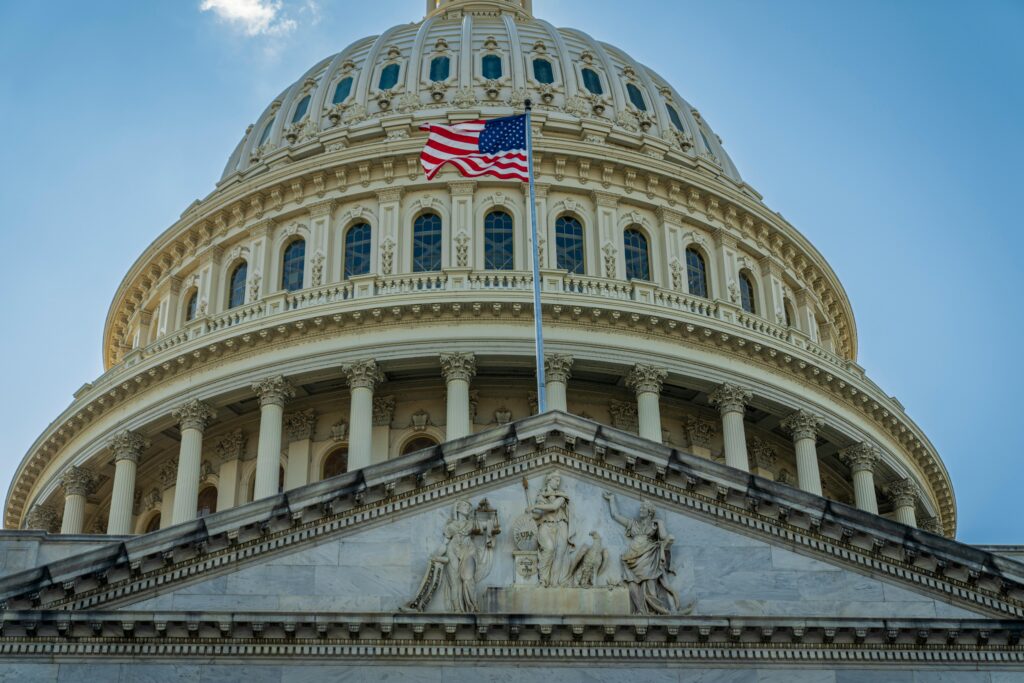
At a conference in the U.S. Senate on December 11, 2024, titled “Countering Tehran’s War and Terror: Advancing a Free, Non-Nuclear Republic,” senators from both sides of the aisle and military leaders discussed U.S. Iran policy following the fall of Assad’s dictatorship in Syria. Mrs. Maryam Rajavi, the President-elect of the National Council of Resistance of Iran, addressed the panel via video link and spoke about the “Iranian Resistance’s Roadmap to Establish a Free and Democratic Society.” Stressing that Khamenei has been the “Strategic Loser” of the war he started in the region, she called for a “policy change toward Iran,” adding, “The international community, particularly the United States, is expected to hold the Iranian regime accountable for its widespread domestic repression, terrorism, warmongering, and its nuclear weapons and missile programs. The international community must stand with the people of Iran and their fight for freedom.” Mrs. Rajavi said: “For a free Iran, this resistance emphasizes the ballot box as the only criterion for legitimacy, the freedoms and equal rights of women, the autonomy of ethnic groups, equality between Shia and Sunni Muslims and followers of other religions, the separation of religion and state, defending peace in the Middle East, and a non-nuclear Iran.” Ambassador Marc Ginsberg, who moderated this event, said: “No one could have predicted that it would occur against the backdrop of the toppling of the despised Assad dictatorship, an event that sets the stage for confronting the mullahs on their home turf.” In this conference, senators from both parties expressed their support for a free and democratic Iran, stressing that after the fall of Assad in Syria, the mullahs’ regime is more fragile than ever. Senator Thom Tillis referred to the Iranian regime’s illicit activities and its squandering of Iran’s national wealth, underlining that “The mullahs have destroyed a heritage of thousands of years of good, freedom-loving people.” He also applauded Mrs. Maryam Rajavi’s “decades of leadership, her vision for a peaceful transition… that actually results in empowering the Iranian people.” “The events in Syria demonstrate the fundamental weakness at the core of Iran’s regional strategic policies,” Senator Jeanne Shaheen, who spoke next, said, adding that there’s an opportunity and “we must take advantage of it… We stand with you, and we will continue to partner with you in this fight for freedom.” The next speaker, Senator Ted Cruz, expressed confidence that the Iranian regime will be overthrown, stating, “The Ayatollah will fall, the mullahs will fall, and we will see free and democratic elections in Iran.” “Freedom is coming, and it can come with a speed that can astonish almost everyone. Change is coming, and it is coming very soon,” Senator Cruz added. Senator Cory Booker described Iran’s regime as “the world’s leading exporter of terrorism and violence,” and stressed that “We must prevent Iran from developing a nuclear weapon. It could destabilize the global order and create untold crises.” “I will stand with the Iranian people against repression and injustice, because my cause and their cause are the same,” Senator Booker added. General Keith Kellogg, former National Security Advisor to the U.S. Vice President, was also among the event’s speakers. He underlined the necessity to reimpose the “Maximum Pressure” campaign, adding that its absence has allowed Tehran to generate more revenue and fund terrorism. General James Jones, former White House National Security Advisor, praised Mrs. Rajavi’s Ten-Point Plan, calling it “Jeffersonian in principle.” “I propose that in the near future, Iranian people be given a book… Part 1: Mrs. Rajavi’s Ten-Point Plan; Part 2: The New Constitution of Iran.” Among other speakers at the event was Sam Brownback, former U.S. Senator, Governor of Kansas, and Ambassador-at-Large for International Religious Freedom. Referring to Tehran’s race to obtain a nuclear bomb, Senator Brownback highlighted the need to counter the regime’s efforts, saying, “It’s not only now or never; it’s now or nuclear.” “There will be no peace in the Middle East as long as this regime is in control. This is the moment to seize.” Ambassador Mohammed A. Al-Hadhrami, Yemen’s U.S. representative, called for decisive action against Iran’s influence in Yemen, emphasizing the Houthis’ reliance on Iranian backing. He urged designating the Houthis as a Foreign Terrorist Organization, liberating Hudaydah, and targeting Houthi leaders to disrupt their operations. “Peace through strength works,” he said, expressing hope for freedom from tyranny for both Yemeni and Iranian people. General Tod D. Wolters, former commander of U.S. European Command and NATO’s Supreme Allied Commander Europe, supported Mrs. Rajavi’s Ten-Point Plan. “We must prepare to implement her Ten-Point Plan. It provides the architecture for immediate action once the regime falls, ensuring we can move forward swiftly and decisively,” he said.

News, Resistance’s Activities Abroad

U.S. Lawmakers From Both Parties Back Iran Freedom

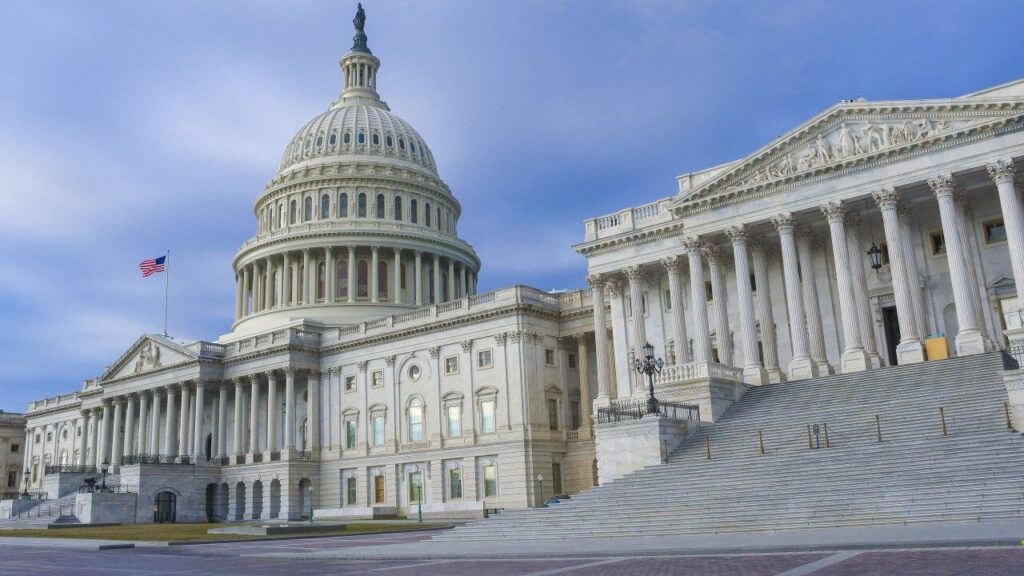
On December 17, 2024, a bipartisan conference titled “Iran Policy: Combating the Regime’s Warmongering and Terrorism, Advancing a Democratic, Non-Nuclear Republic” was held at the United States House of Representatives. The event brought together members of Congress from both parties to address the Iranian regime’s destabilizing activities and discuss strategies to support freedom and democracy in Iran. Mrs. Maryam Rajavi, the President-elect of the National Council of Resistance of Iran (NCRI), addressed the conference through a video message. She emphasized, “The only way to prevent the Iranian regime from obtaining the nuclear bomb is through its overthrow by the people of Iran and the Iranian Resistance.” Mrs. Rajavi further stated that the fall of Assad’s dictatorship in Syria “highlights the extreme weakness of the Iranian regime and the IRGC,” stressing, “Everyone agrees that Assad’s downfall is a serious defeat for the Iranian regime. However, a greater truth remains that with the determination of the Iranian people and their Resistance, this defeat will extend to Tehran.” During the conference, members of the House of Representatives highlighted the strategic blow the fall of Assad’s regime dealt to the Iranian regime. They called on the international community to hold the dictatorship in Iran accountable for its crimes against the Iranian people and its warmongering throughout the region. The representatives also expressed their support for the Iranian Resistance and its president-elect in their struggle to establish freedom and democracy in Iran. Congressman Tom McClintock (R-CA) expressed his support by stating, “As Madam Rajavi has said, the NCRI’s objective is not to seize power, but to restore it to its rightful owners, the people of Iran… Freedom for the Iranian people means justice for the Iranian dictators.” Congressman @RepMcClintock: The #Iran's regime is a like rotten porch, it still maintains its shape and form but its weak and hollowed-out and awaits a sudden gust of wind that will bring it crashing down. #FreeIran2024 pic.twitter.com/3Y172mrg74 — SIMAY AZADI TV (@en_simayazadi) December 17, 2024 Congresswoman Nancy Mace (R-SC) remarked on the rapid fall of Assad’s regime, stating, “After Syria, will be Iran, and when Iran falls, Maryam Rajavi will be leading her from the frontlines.” Congresswoman @RepNancyMace: After Syria will be #Iran. When Iran's regime falls, @Maryam_Rajavi will be leading Iran from frontlines. I am here to condemn the regime in Iran, and the Shah's dictatorship. #NCRIAlternative #FreeIran2024 pic.twitter.com/mG7ZRg6qw5 — SIMAY AZADI TV (@en_simayazadi) December 17, 2024 Congresswoman Erica Lee Carter (D-TX), the daughter of the late Congresswoman Sheila Jackson Lee, added, “Your unwavering dedication to freedom, justice, and democracy is not only inspiring, but it is essential to achieving a better future for Iran.” Congresswoman @RepNancyMace: After Syria will be #Iran. When Iran's regime falls, @Maryam_Rajavi will be leading Iran from frontlines. I am here to condemn the regime in Iran, and the Shah's dictatorship. #NCRIAlternative #FreeIran2024 pic.twitter.com/mG7ZRg6qw5 — SIMAY AZADI TV (@en_simayazadi) December 17, 2024 Congressman Ronny Jackson (R-TX) underscored the bipartisan nature of the effort, saying, “This is a bipartisan effort to make sure that we free the people of Iran.” Congresswoman Judy Chu (D-CA) praised the bravery of Iranian protesters, stating, “(The Iranian protesters) endured brutal, violent crackdowns but showed the world that they were willing to risk everything for their freedom… It’s more important than ever that we stand with the Iranian people and support them in their struggle for freedom.” In addition to these powerful speeches, several of the speakers were interviewed to provide deeper insights into their views and the significance of supporting a democratic, non-nuclear Iran. The conference underscored the growing bipartisan consensus on the urgency of addressing the Iranian regime’s actions and supporting the aspirations of the Iranian people for freedom and democracy. Check out our interview with @RepNancyMace and hear call to hold the Iranian regime accountable. Hear Congresswoman Mace's inspiring message to #Iran's people. #FreeIran2024 pic.twitter.com/vZWeZHWPPL — SIMAY AZADI TV (@en_simayazadi) December 18, 2024

Iran NCRI Syria
News

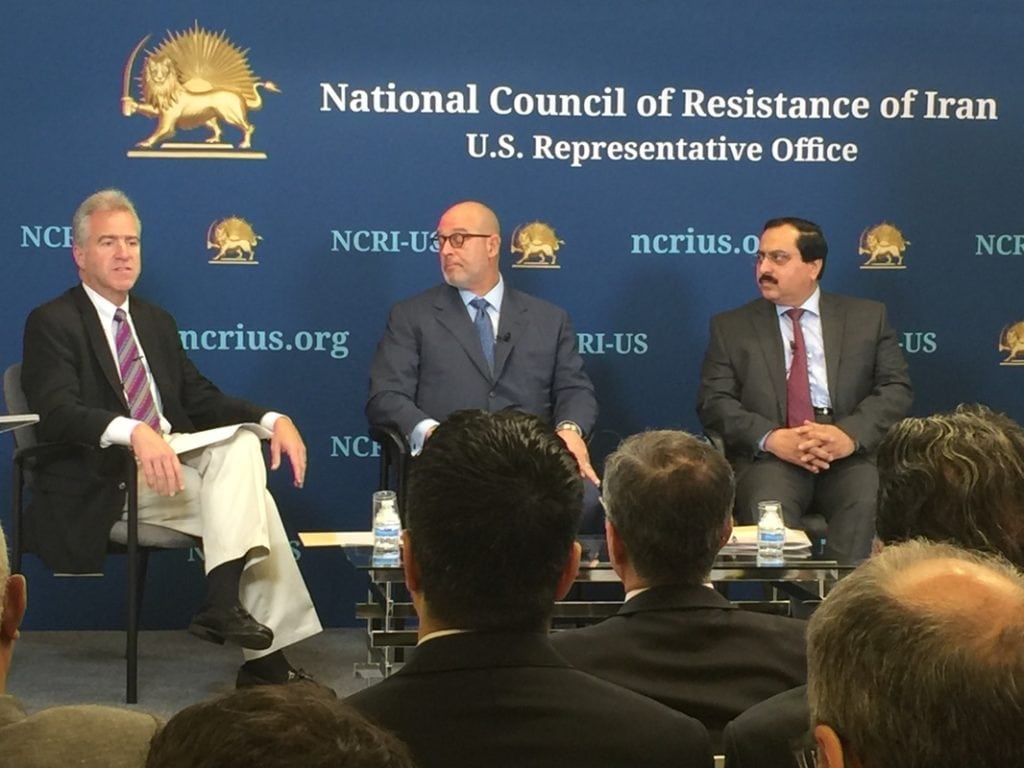
How the Iranian regime fueled Syria war?

Following the victory of the revolution in Syria, many analysts and media outlets described the overthrow of Assad as a heavy and irreversible blow to the Iranian regime and its war-mongering policy in the region. The Iranian Resistance described it as the collapse of the Iranian regime’s “strategic depth” and called for the expulsion of this regime in Iraq and other countries in the region. The Iranian regime spent billions of dollars of the wealth of the Iranian people to maintain the Assad dictatorship in recent years; among others by sending thousands of foreign militias and forces of the IRGC Quds Force to various regions of Syria to kill the people of this country. Over the past years, the National Council of Resistance of Iran has exposed the mullahs’ regime interventions and the billions spent to keep Bashar al-Assad in power in a series of revelations. One of these detailed exposures was a book published in 2016 by the NCRI’s office in Washington. Alireza Jafarzadeh, NCRI-US Deputy Director, introduced a new book entitled How Iran Fuels Syria War in a panel discussion at the Washington Office of the National Council of Resistance of Iran on September 1, 2016. Jafarzadeh spoke about the Iranian regime’s military involvement in Syria, including its command structure and the expenses needed to back more than 70,000 Iranian and mercenary militias fighting in that country. In Simay Azadi’s exclusive interview with Ammar al-Salmo, board member and one of the founders of the Syrian Civil Defense (the White Helmets), he underlined that after the fall of the Assad’s regime, they realized that Syria has turned into  a “huge mass grave” and that the Syrian dictatorship not only arrested, tortured, and murdered people but also buried them in unmarked mass graves. He also underlined that they are still trying to determine the future of many people who have been forcefully disappeared.

No to Executions Iran
News

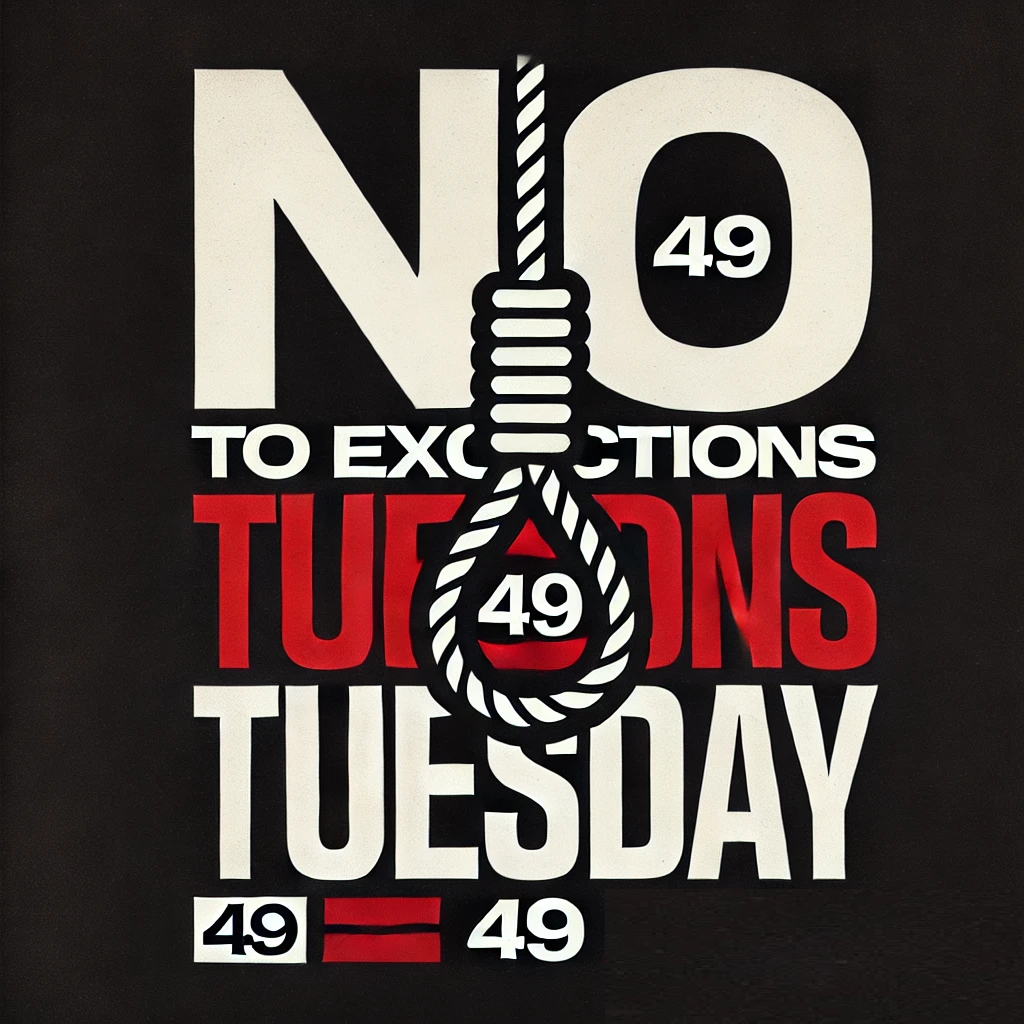
Iran: “No to Executions Tuesdays” Campaign Continued on its 49th Week

Tuesday December 31, marked the 49th week of the “No to Executions Tuesdays” campaign in 28 prisons across Iran. Launched in February 2024 by political prisoners to oppose the Iranian regime’s repeated use of the death penalty. Riddled with internal, regional and international crises, the Iranian regime has stepped up its killing spree in the last few years. According to the reports tallied by the Iranian Resistance, Tehran has executed at least 1,000 individuals in 86 prisons, including 34 women, seven juvenile offenders, and 119 Baluch minorities. Also, there have been four public hangings. In their statement on their 49th week of campaign, the participant prisoners in the “No to Executions Tuesdays,” wrote: “In a regime where we witness widespread daily executions in various prisons, at least 41 individuals were executed in the first ten days of the Iranian month of Dey (December 21-30), with 23 of them executed in just three days. Many death row prisoners have been transferred to solitary confinement in preparation for their executions.” The executions have increased since the regime’s so-called “moderate” president, Masoud Pezeshkian was selected by supreme leader Ali Khamenei, in a failed sham election that met an unprecedented popular boycott. Despite his claims of reformism, Pezeshkian’s tenure has witnessed hundreds of executions, confirming that as he claimed during his inauguration, that he follows the foot prints of his predecessor Ebrahim Raisi, aka “the Butcher of Tehran,” known for his role in the 1988 massacre of 30,000 political prisoners. While referring to the regime’s recent misogynistic and cruel act of sentencing several women to stoning under the alleged charges of “adultery” members of the “No to Executions Tuesdays” campaign underlined: “We believe that silence in the face of such atrocities amounts to complicity and that we must stand against this barbarism and savagery.” They urged the international community to hold the Iranian regime accountable for its crimes against humanity. “As we have repeatedly emphasized, it is evident that the regime resorts to suppression and executions to prevent public protests, and all executions in Iran have a political dimension. Therefore, the members of this campaign once again call on all grassroots and human rights organizations inside and outside the country to make serious efforts to stop executions in Iran,” members of the “No to Executions Tuesdays” campaign implored in their statement on December 24, 2024. In a similar development, political prisoner Saeed Masouri, who has spent 25 years behind bars, wrote a poignant open letter in December 2024, addressing world leaders and the United Nations Officials to take immediate action to stop Tehran’s “killing machine.” “The least that can be done in this regard is to bind this ‘execution government’ to humane and human rights standards by conditioning diplomatic and political interactions on halting this killing machine in hopes that the massacres will cease.”

Ammar al Salmo interview with Simay Azadi
Exclusive Interviews, News

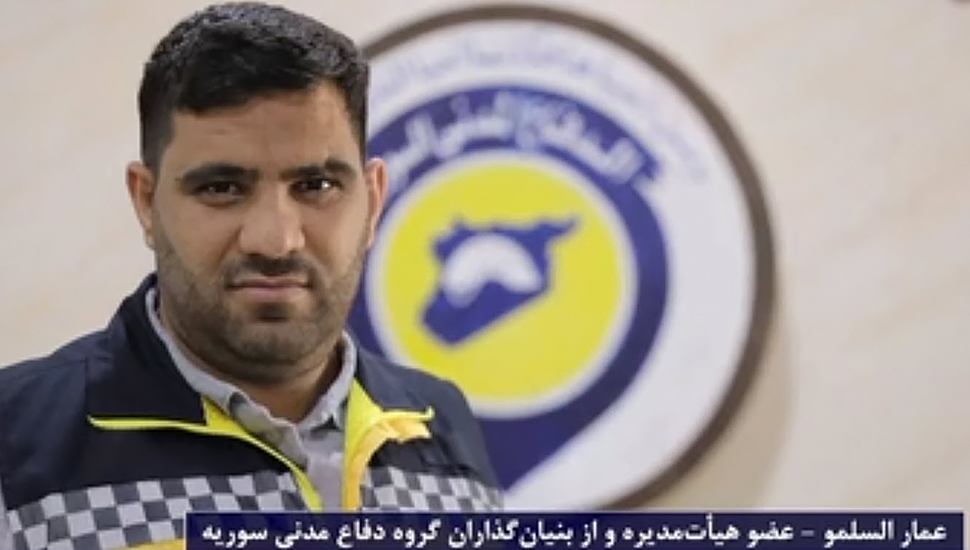
Syrian White Helmets’ Ammar al-Salmo to Simay Azadi: Assad Survived Only with Iran’s Support

On December 29, 2024, Simay Azadi conducted an exclusive interview with Ammar al-Salmo, board member and one of the founders of the Syrian Civil Defense (the White Helmets) and asked him about the Syrian revolution and what the White Helmets have discovered in Assad’s prisons. The Syrian Civil Defense group was founded in 2013 with the aim of helping the Syrian people during the bombings and attacks by the Iran-backed Assad’s  regime. The White Helmets consist of 3,300 volunteers. Over the years, they have saved countless Syrians, including many children, during and after heavy bombings and their subsequent destruction. Since the fall of Assad, the White Helmets have dedicated themselves to rebuilding their country, while playing a key role in uncovering the atrocities that occurred in Assad’s prisons, such as the infamous Sednaya prison in Damascus. Before joining the White Helmets, Ammar al-Salmo, was an English teacher in eastern Aleppo. Yet, after witnessing the killing and suffering of the Syrian people, Ammar, like many of his colleagues, chose to dedicate himself to help his compatriots and save their lives. In his exclusive interview with Simay Azadi, al-Salmo said that the Syrian revolution was inevitable, adding that the Assad regime would not have survived a single day without the support of the Iranian regime’s militias in Syria. Concerning the new evidence of Assad’s crimes following his downfall, al-Salmo said that after the fall of the regime, they realized that Syria was like  a “huge mass grave” and that the regime not only arrested, tortured, and murdered people but also buried them in unmarked mass graves.

Uncategorized

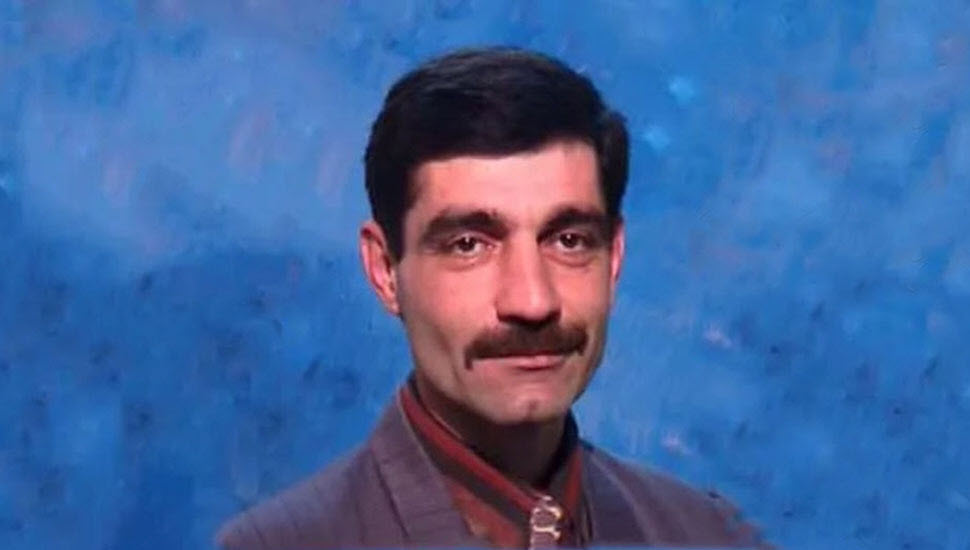
Iranian Political Prisoner Saeed Masouri Calls Out Regime’s Execution Machine

In a heart-wrenching letter from the notorious Ghezelhesar prison, Iranian political prisoner Saeed Masouri appealed to the world conscious to hold the Iranian regime accountable. Now in his 25th year of incarceration, Masouri shares the incessant suffering and the rising trend of executions under the Iranian regime. The letter, wrote on the occasion of Christmas, shares the soul-stirring memories of perished prisoners and cellmates of Saeed, and the burden of living under the ongoing threat of death. Masouri highlights who the genocidal regime executes one person every four hours on average. It is worth noting that this letter is addressed to international human rights authorities, including the UN Human Rights Council, the UN Secretary General, and the UN Special Rapporteur on the Human Rights Situation in Iran. In his letter, Masouri calls for immediate and effective action. He calls on the global leaders to go beyond expressing concerns on releasing statements and impose necessary conditions on diplomatic and political interactions with the Iranian regime to halt this “killing machine.” He also calls for case of Iran’s human rights violations to be referred to the UN Security Council, stressing that every moment of inaction enables more bloodshed. Below is the full text of his letter: This is the 25th Christmas that I am spending in prison. I do not know what more my eyes must see or what further burdens and heartaches this heart must endure. From the time I was sentenced to death and held in solitary confinement, considering every meeting to be my last and every “opening and closing” sound of the door as a death knell (even after 25 years, every such sound due to psychological conditioning still triggers the same feeling), to witnessing the executions of dear friends and comrades up close—I no longer know how much more I must see and endure. From the absence and taking away of cellmates—Hojjat Zamani, Majid Kavousi, Farzad Kamangar, Ali Saremi, Abdolreza Rajabi, Afshin Osanlou, Mansour Radpour, Shahrokh Zamani, Loqman and Zaniar Moradi, Ali Heydarian, and others…—to dear and loving cellmates like Mohsen Dokmehchi, Jafar Kazemi, Mohammad Haj Aghaei, Gholamreza Khosravi, Hamed Ahmadi, Shahram Ahmadi, Ghasem Abesteh, Aso, Ayub, Farhad Salimi, Anvar, Khosrow, Mohsen Shekari, and Mohammad Ghobadlou—to hearing the screams and wails of their families… I truly do not know… I still cannot understand how, after seeing the childish drawing of Mahna, a 6-year-old girl, who drew herself and her mother next to her father’s gallows at the gates of Gohardasht Prison while waiting for her last meeting and kissing her father’s face (upon receiving his body), my heart has not yet stopped from these piercing and agonizing beats…!!? Currently, we witness an execution every four hours on average. During this Christmas period alone, nearly 25 innocent people were executed, equating to almost one execution every 2.5 hours! This letter is not addressed to my fellow compatriots this time (who are doing whatever is within their power) but to all awakened consciences in international human rights institutions, especially the UN Human Rights Council (High Commissioner), rapporteurs, particularly the Special Rapporteur Ms. Mai Sato, and all influential figures: UN Secretary-General Mr. António Guterres, European Commission President Ms. Ursula von der Leyen, and European Parliament President Ms. Roberta Metsola. I urgently ask them not just to express concern or condemn the executions but to take more serious measures to prevent these executions. Do not perceive the number of executions merely as figures; these are human lives being lost daily. The least that can be done in this regard is to bind this “execution government” to humane and human rights standards by conditioning diplomatic and political interactions on halting this killing machine in hopes that the massacres will cease. If necessary, even referring this human rights violation case to the Security Council! Every hour and day of delay in this matter results in more and more executions and, of course, the shedding of blood from the bodies of the Iranian people. Perhaps if effective actions had been taken earlier, even Italian journalist Ms. Cecilia Sala would not have fallen victim to hostage-taking policies (and during Christmas, no less!).

Scroll to Top