
Sudden Transfer of Prisoners to Qarchak and Greater Tehran Under Dire Conditions – Mass Transfer Following Attack on Evin
According to reports tallied by the Iranian oppositions, People’s Mojahedin Organization (PMOI/MEK) sources from inside Iran, on June 23, at 7pm local times, approximately 2,000 inmates, including 180 political prisoners from Ward 4 of Evin Prison, were hastily transferred to Fashafouyeh (Greater Tehran Prison) following the attack on Evin.
Evin Prison chief Hedayat Farzadi stormed Ward 4 with armed guards, ordering all inmates to evacuate immediately to Greater Tehran Prison, forbidding them from taking any of their belongings. In an attempt to hide the relocation from the outside world, regime officials demolished internal walls between prison sections to carry out the transfer covertly. Prisoners resisted the forced evacuation, raising chants in protest.
Farzadi, reportedly too afraid to access his own office or archives, had no official records during the transfer. Instead, he asked prisoners for their names verbally, one by one.
The relocated inmates now face severe overcrowding, with 40 people confined per cell, critical food shortages—only one so-called lunch in a plastic bag without a spoon—and just one toilet and one washbasin for every 80 individuals.
🚨BREAKING – EXCLUSIVE: On June 23, 7PM local time, Evin Prison chief Hedayat Farzadi stormed Ward 4 with armed guards, ordering inmates to evacuate to Greater Tehran Prison—no belongings allowed. Regime demolished walls to hide the move. Inmates resisted with chants. #Iran pic.twitter.com/pY1JLwZpnb
— SIMAY AZADI TV (@en_simayazadi) June 24, 2025
Meanwhile, female political prisoners transferred to Qarchak Women’s Prison are also at grave risk due to a complete lack of basic medical, sanitary, and living facilities.
Despite strict censorship and the regime’s deliberate efforts to conceal its crimes against prisoners—particularly political inmates—much of the information in this report has been provided by courageous sources from within Iran.
Qarchak Women’s Prison in Varamin: Life in the “Club” Next to a Waste Incinerator
Following the explosion at Evin, female political prisoners were transferred to Qarchak Women’s Prison in Varamin without any access to first aid, even though several were injured. Their new holding area is a section known as the “Club”—a metal shed with no windows, no ventilation, and located directly beside a waste incineration site. According to informed sources, the health and environmental conditions in this facility are described as “unbearable.”
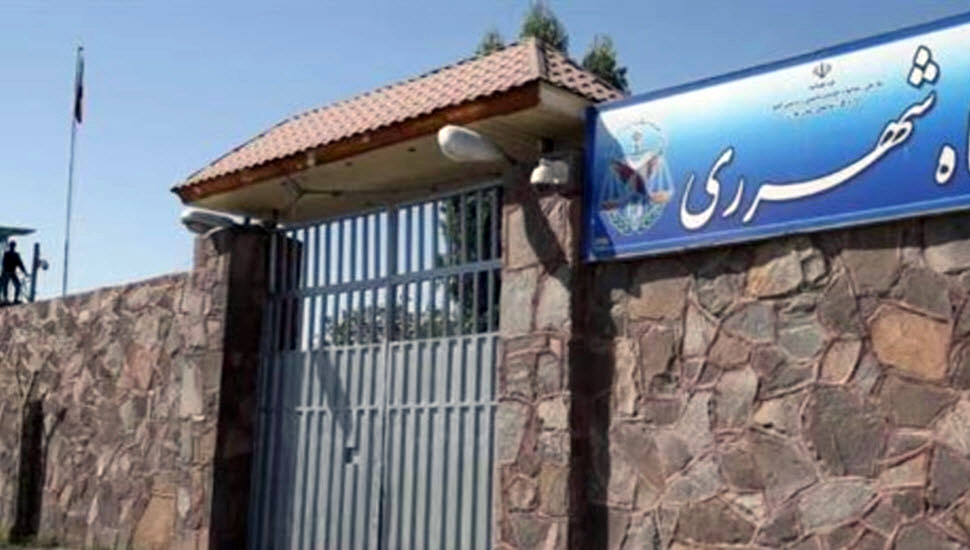
The transfer occurred so abruptly that many prisoners could not retrieve medications, personal belongings, or medical documents. Several of the women suffer from chronic illnesses and still have no access to essential medication, nor have they been allowed to retrieve them.
As of the time of this report, no official information about the registration of these women appears in Qarchak’s prison system, raising serious concerns about their legal and physical status. Whether this relocation is temporary or permanent remains unknown, adding to the distress of families and human rights advocates.
Living and Humanitarian Conditions in Qarchak: A System in Collapse
Reports from inside Qarchak reveal critical failures in sanitation, nutrition, medical care, and overall safety:
Inmates only have access to salty, undrinkable water. Their only option for clean drinking water is to purchase bottled water at inflated prices from the prison store.
- Only two showers are functional in the ward—both without doors or locks. The walls are soaked and covered in yellow and white mold.
- The sewage system is unsanitary, and rats move freely through the ward.
- Meals consist of moldy rice and spoiled stew, resulting in gastrointestinal illnesses among prisoners.
- Initially, political prisoners were completely denied access to phone calls or visits. After two days, they were granted brief, monitored phone calls under strict supervision.
Structural Corruption and an Internal Mafia
Testimonies from within the prison describe a powerful internal mafia that obstructs access to legal aid and medical treatment. Soghra Khodadadi, the prison director, along with the head of the women’s ward and several guards, are named by prisoners as enforcers of this informal power structure. According to inmates, this group routinely blocks furloughs, medical transfers, and even ignores legal documents related to early release—even in cases where prisoners have repaid debts or made financial restitution.
One harrowing case involves a woman who entered prison with skin cancer and later developed uterine cancer. Despite an official recommendation by the forensic medical examiner for urgent pelvic surgery, prison authorities demanded a 15-billion toman bail for her medical furlough—an amount impossible for her family to secure.
Torture, Abuse, and Social Isolation in Prison
Numerous credible reports describe systematic physical and sexual abuse inside Qarchak Prison. Inmates report beatings, threats, humiliation, and degrading treatment by guards. The absence of medical care, hygiene, and legal rights creates an inhumane and unsafe environment.
Female prisoners face extreme social isolation, lacking both visitations and regular contact with their families. The psychological burden from this isolation is profound and deeply damaging.
Greater Tehran Prison: Heat, Overcrowding, Hunger, and Suffocation
The men transferred to Greater Tehran Prison are also reported to be in deeply troubling conditions, especially in terms of hygiene, nutrition, and overall welfare.
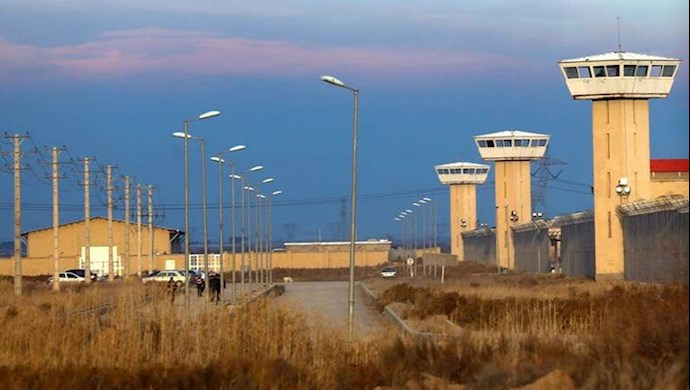
The prison consists of warehouse-like metal buildings with sloped iron roofs. In the intense summer heat, these structures retain extreme temperatures, functioning like iron furnaces. Prisoners have no fans or air conditioning, leading to widespread heatstroke, headaches, and low blood pressure, particularly among elderly and ill detainees:
- Hygiene and Nutrition on the Brink of Collapse
- Greater Tehran Prison suffers from major infrastructure deficiencies:
- Only one toilet and sink per 70–80 people.
- One shower is shared between approximately 90 inmates.
- Prisoners receive little to no food—and when they do, it’s minimal and inadequate.
- Many inmates require special medication but are completely deprived of medicine or treatment.
- Drinking water is salty and unclean; buying clean water is only possible for those who can afford it.
Family Contact: Limited and Degrading
To contact their families, inmates must stand in long lines for limited phone access. There are too few phone lines, call durations are short, and the connection quality is poor. This adds to the emotional toll on prisoners and families alike.
Repeated complaints by prisoners have gone unanswered. In some cases, those who speak out face threats, punishment, and degrading reprisals.
Conclusion
The attack on Evin Prison and the subsequent mass transfer of prisoners have triggered a major humanitarian crisis inside Iran’s prison system. Unsanitary living conditions, denial of medication, isolation from families, and internal corruption all reflect systematic violations of human rights.
Meanwhile, the regime continues to enforce strict censorship and suppress reporting. The majority of the information in this report comes from sources inside Iran, who have risked their safety to expose conditions that the regime seeks to keep hidden from the world.